Chintsa, Eastern Cape: Accommodation, Attractions and Practical Travel Tips
Chintsa, a laid‑back coastal village along the Eastern Cape’s Sunshine Coast, offers a relaxed base for exploring pristine beaches, dune systems and forested trails. With a mix of lodges, guesthouses and self‑catering options, it suits families, couples and travellers seeking a quieter South African seaside experience just a short drive from larger centres.
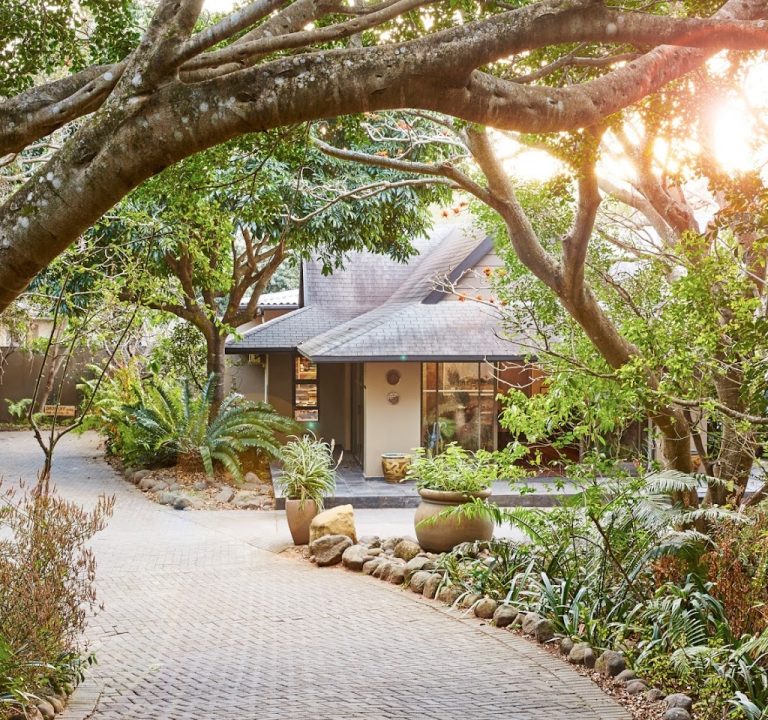
When planning a stay, start by choosing the right area. The Chintsa East beachfront sections are ideal for easy beach access and long walks along the shoreline, while Chintsa West tends to be closer to riverside scenery and forest paths. For a more secluded escape, look for lodges tucked away in dune forests or along the estuary edge. If you’re visiting for water sports or wildlife watching, consider a property with direct beach or river access, and check for on‑site dining options and private verandas with sea or garden views.
Accommodation in Chintsa spans self‑catering cottages, guesthouses, boutique lodges and family‑friendly resorts. Typical amenities you might expect include en suite bathrooms, air‑conditioning or ceiling fans, and private or shared outdoor spaces. Many properties offer complimentary parking, secure access, and shaded verandas where you can listen to the waves or rustle of reeds. Some lodges provide guided activities or personalised itineraries, from nature walks to boat trips on the estuary. If you’re travelling with children, look for flexible room configurations, safe play areas, and easy beach access.
Transport is straightforward but plan ahead. The closest air link is often to East London or a neighbouring town, followed by a scenic road transfer to Chintsa. A car is the most convenient way to move between beaches, forests and nearby eateries, and it gives you flexibility to explore the wider coast at your own pace. If you’re not renting a vehicle, check whether your accommodation offers airport transfers or organised day trips. Keep in mind that some roads can be narrow or corrugated, so a vehicle with comfortable suspension makes for a smoother journey.
The best time to visit Chintsa generally aligns with the South African summer and shoulder seasons. December to February tends to be hot and great for swimming and long beach days, though afternoon showers can occur. March to May offers milder weather and quieter beaches, which can be ideal for walking and wildlife viewing. June to August is cooler and more suited to coastal walks and birdlife with the possibility of crisp mornings. Spring and autumn provide a balance of pleasant temperatures and lower crowds. Always check local weather patterns ahead of time and be prepared for sudden changes, especially near the coast.
Practical tips for a successful stay in Chintsa:
- Book early for peak season, particularly coastal weekends and school holidays, to secure a property with the exact location you want (beachfront, forest‑edge, or estuary views).
- Ask about the availability of umbrellas, beach chairs and privacy screens if you plan long beach days, as some properties provide limited equipment.
- Confirm if coastal access is direct from your accommodation, as stairs or boardwalks may be involved in dune or riverfront settings.
- Check for on‑site dining or nearby eateries that can offer casual meals, while also exploring the option to prepare meals if you’re in a self‑catering unit.
- If you plan outdoor activities, verify whether equipment such as kayaks, stand‑up paddleboards or hiking maps is available for rental or loan.
- Power outages can be intermittent in some rural areas; consider packing a small adaptor and a portable light, and confirm are there backup supplies at your lodge.
- Respect the natural environment: stick to marked trails, dispose of rubbish responsibly, and follow local rules regarding wildlife and dune conservation.
Attractions in and around Chintsa are naturally outdoor‑leaning. Expect long, sandy beaches ideal for swimming and sunbathing, tidal estuaries rich in birdlife, and dune forests perfect for gentle hikes and wildlife spotting. Watersports, nature walks, and boat trips can be arranged through some accommodations or local operators. For dining, you’ll find casual, family‑friendly options near the coast and in village hubs, offering a mix of seafood, grills and refuges that celebrate local produce. While specific venues and prices may change, the general scene emphasises relaxed, accessible meals with sea or garden views and a welcoming, informal atmosphere.
One notable option in the region is a lodge with a dedicated website showcasing its distinctive setting and guest services. This type of property typically offers a blend of comfortable rooms or suites, ensuite facilities, and a focus on personalised guest experiences, from guided beach walks to sunset sundowners by the pool. If you’re considering this kind of stay, you can visit the lodge’s official site to explore room types, rates and booking terms, and to learn about any seasonal special offers or package deals. For example, one lodge in the vicinity maintains a dedicated online presence at its home page, highlighting its setting, amenities and contact details for reservations.
Overall, Chintsa is well suited to travellers seeking a chilled coastal retreat with easy access to nature and a handful of convenient dining options. With thoughtful planning around area choice, amenities, transport and seasonal conditions, a stay here can blend restful beaches with gentle exploration—perfect for a restorative break in the Eastern Cape.
For more information on a lodge option and to explore current stays, visit the official site: Cintsa Lodge.