Exploring Chintsa: Where to Stay and What to Do in the Eastern Cape
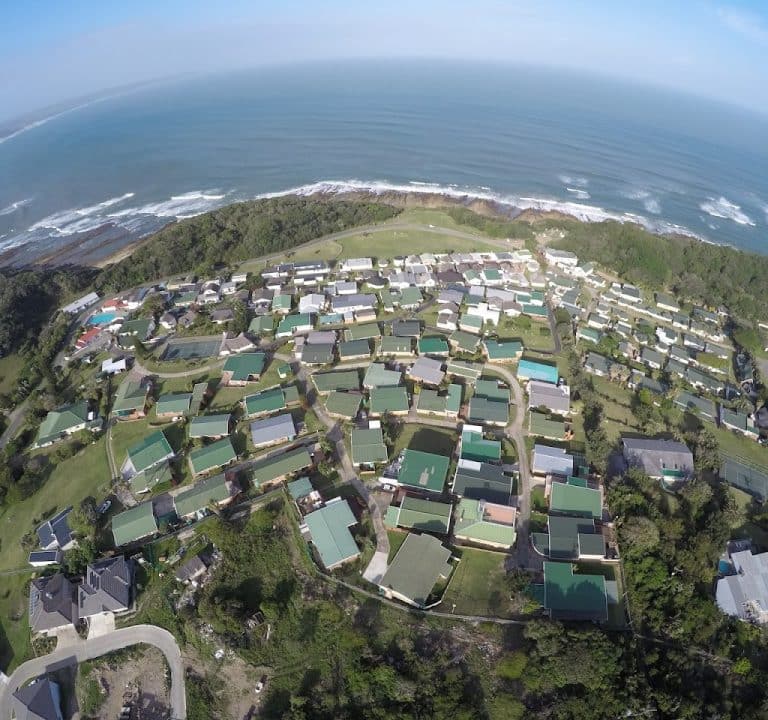
Nestled along the Wild Coast of the Eastern Cape, Chintsa offers a relaxed mix of palm-fringed beaches, riverine scenery and family-friendly charm. The area is popular with travellers who want easy access to unspoilt shores while enjoying comfortable, traveller-friendly accommodation. Whether you prefer a boutique inn, a family-run guesthouse, a lodge with sweeping sea views, or a self-catering retreat, Chintsa provides options that suit a range of budgets and styles. For many visitors, staying near Chintsa East and Collywobbles Beach provides the classic coastal experience, while Chintsa West offers a quicker route to the river and forest trails.
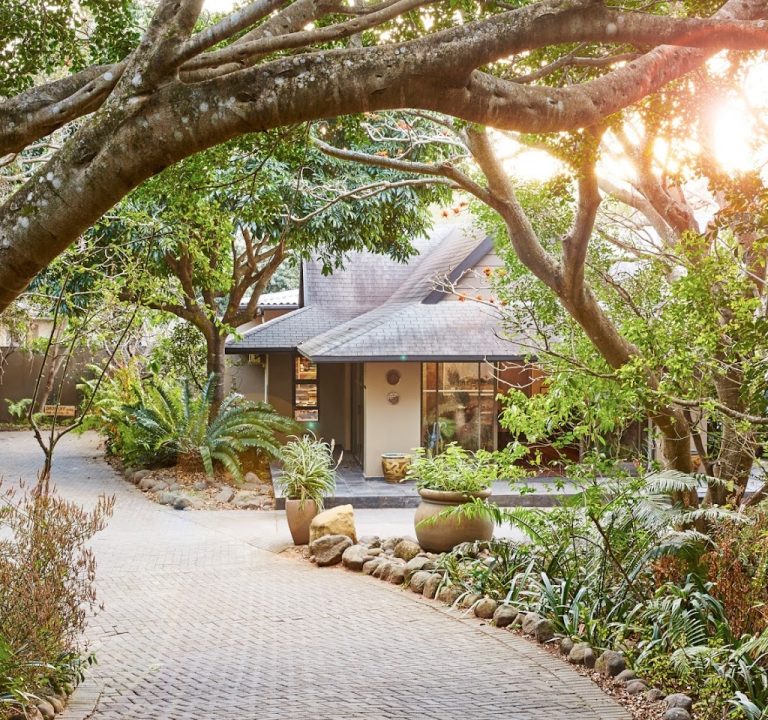
Accommodation here tends to emphasise comfortable, relaxed atmospheres rather than high-rise glamour. Look for places with direct beach access or river views, and consider whether you want a property with self-catering facilities, a pool, or a kitchen for sunset braais. Family-friendly lodges often provide larger units or interconnecting rooms, while smaller guesthouses typically deliver intimate service and an inviting sense of place. Many properties in Chintsa also offer guided nature walks, beach equipment, and advice on day trips to neighbouring towns, which can be helpful for first-time visitors. If you’re planning a stay around a particular activity—such as surfing, trail running, or kayaking—check what equipment and permits are included or readily available on-site.
Area-by-area considerations can help you make the most of a stay. Chintsa East is known for its long, sandy beach and calmer shoreline, ideal for families and long strolls at low tide. Chintsa West sits closer to the estuary and forested hills, often offering a more secluded feel and easier access to nature trails. Some travellers choose a base near the river mouth for calmer water and scenic viewpoints, while others opt for a cliff-top or ridge-facing property to catch spectacular sunsets over the coastline. When booking, think about your priorities: proximity to the beach, access to a pool, parking facilities, noise levels, and whether you’ll have a sea view or a private outdoor space.
Typical amenities in well-regarded Chintsa properties include well-equipped kitchens or kitchenettes, free Wi-Fi, comfortable living spaces, and outdoor seating areas for alfresco dining. Many places also offer barbecue facilities, bicycles for guests, secure parking, and on-site restaurant or bar options. If you value sustainability or localisation, seek owners who emphasise eco-friendly practices, local sourcing, and guided experiences led by knowledgeable hosts. A quality, clean, well-maintained room with a reliable shower and good heat/air control can make or break a coastal stay, so consider recent guest reviews focusing on comfort, cleanliness, and the responsiveness of staff.
Getting there and getting around are straightforward with a bit of planning. The closest major airport is in East London, about a two- to three-hour drive depending on traffic and weather. From the airport or major towns, a hire car is the most convenient option, granting you flexibility to explore both beaches and the inland scenery at your own pace. If you don’t plan to self-drive, check whether your accommodation offers airport transfers or advice on trusted local shuttles. During peak season, roads can be busy on weekends and holidays, so allowing extra time for transfers is wise. Once in Chintsa, many properties provide parking and easy access to beaches, with some offering shuttle services to the river or nearby trails.
When is the best time to visit? Chintsa enjoys a warm, temperate climate. The summer months (roughly November to March) are popular for their long days, sea swims and dramatic-afternoon skies, though you may encounter higher humidity and afternoon showers. Winter (May to August) is cooler but seldom chilly, with mild daytime temperatures and bracing coastal air; it’s ideal for quiet beaches and coastal walks outside peak crowds. Shoulder seasons can offer excellent value and comfortable conditions for outdoor activities, from hiking along riverbanks to spotting estuarine birds. Always check local forecasts for wind, especially if you are keen on watersports or beach activities.
Practical tips to help you plan your stay in Chintsa:
- Book in advance for popular weekends and school holidays, particularly near the beach.
- Ask about beach access, parking, and whether your lodging can arrange equipment hire (surfboards, paddles, bikes) or guided excursions.
- Check cancellation policies and whether there are seasonal price adjustments or minimum-stay requirements.
- Clarify what is included in the rate (breakfast, housekeeping, laundry services) so you can budget accurately.
- Plan for water safety and sun protection; even on cooler days, sun exposure can be strong on the coast.
Beyond accommodation, Chintsa offers a spectrum of low-key experiences that suit travellers seeking authentic, relaxed itineraries. Beach walks at sunrise, canoe trips on the estuary, and forest trails near the headland reveal the region’s varied scenery. Dining options tend to emphasise fresh, simple fare—often with a focus on local seafood, seasonal vegetables and casual outdoor settings. In the evenings, you can unwind with a well-deserved drink while listening to the sounds of the sea, or enjoy a campfire on the beach at certain properties. For broader exploration, a short drive along the coast takes you to neighbouring towns and viewpoints where you can observe coastal ecosystems, encounter local crafts, and learn more about the area’s heritage.
When planning a stay around Cintsa West Resort or similar coastal properties, think about a balanced itinerary that blends beach time with nature exploration and gentle town visits. With thoughtful planning, you can enjoy comfortable accommodation, easy transport, and a memorable taste of the Wild Coast without straying too far from the tranquillity that makes Chintsa special.