Durban Stay Guide: Where to Stay, What to Do and How to Plan
Durban, on the KwaZulu-Natal coast, blends tropical weather, sandy beaches and a rich cultural mix. Planning a stay here means balancing easy access to the city’s seaside promenades with quieter neighbourhoods that offer comfortable accommodation, friendly service and good transport links. Whether you’re seeking a coastal B&B with warm hospitality, a modern hotel near the harbour, or a guesthouse tucked away in leafy suburbs, Durban has options to suit different tastes and budgets.
Areas to consider when booking include the beachfront precinct and the Golden Mile, which are ideal for first-time visitors who want immediate access to beaches, promenades and convenient dining. Here you’ll find a range of guesthouses, boutique hotels and self‑catering flats that keep you within easy reach of sea views and lively evening atmospheres. For a more relaxed stay yet still close to central Durban, consider suburbs such as Morningside or Glenwood, where guesthouses and small hotels often offer quieter streets, local cafés and easy transit routes into the city centre. For families and longer stays, Umhlanga and the northern coast provide resort-style options with beach access and modern amenities, while the Valley of 1000 Hills area offers scenic countryside lodging a short drive from the coast.
When choosing accommodation, think about what you prioritise: proximity to the beach, ease of access to transport, or a more tranquil neighbourhood for longer visits. Typical amenities worth looking for include reliable Wi‑Fi, private or en-suite bathrooms, air conditioning or fans for Durban’s warm months, off-street parking, and a continental or full breakfast option if you’re after a simple start to the day. Many B&Bs and guesthouses also provide communal living areas, a small kitchen for guests, and helpful hosts who can offer local tips and itineraries. If you’re visiting during peak holiday periods, it is wise to book early and confirm flexible cancellation policies in case your plans change with the weather or local events.
Transport in Durban is generally straightforward. The city has a network of taxis and ride-hailing services, making it easy to move between beaches, neighbourhoods and the city centre. If you’re staying near the beachfront, a short walk or cycle along the promenade can be a pleasant way to start the day. For day trips beyond central Durban, renting a car provides the most flexibility, especially for visiting inland attractions or venturing to nearby towns. Some accommodation providers also offer advice on safe, scenic routes and reputable local providers for day tours or cultural experiences, which can help you maximise your time without overloading your plan.
The best time to visit Durban is guided by weather and events. The coastal climate means warm temperatures most of the year, with a wetter summer season and milder winters. Summer visits are ideal for beach days and outdoor dining, but you may encounter more humidity and occasional rain showers. Winter is typically dry and pleasant, making it a good option for city sightseeing and markets. If you’re drawn to cultural experiences, plan ahead for major public holidays or seaside events, but be aware that some attractions or eateries can get busier during peak periods. Booking a stay with a flexible breakfast plan and guidance on local markets can help you enjoy seasonal offerings without disruption.
Durban’s attractions span coastline, culture and nature. On the coast, long beaches and promenades invite morning walks and sunset strolls. The city’s harbour area is a gateway to maritime views and dining options, while inland you’ll encounter botanical gardens, viewpoints and hillside retreats. Cultural experiences and markets offer a sense of the region’s diverse heritage, including Zulu culture, crafts and music. For dining, Durban’s restaurant scene ranges from casual beachside eateries to more refined venues within boutique hotels and B&Bs. Expect vibrant flavours that reflect Indian, African and Malay influences, among others, with many places emphasising fresh seafood and locally sourced ingredients. If you’re exploring additional activities, consider guided coastal walks, small-group tours or a relaxed day trip to nearby towns or nature reserves. Always check opening times and seasonal variations, as some venues operate on limited schedules outside peak seasons.
Practical tips to help you plan a comfortable stay:
- Read recent guest reviews to gauge cleanliness, host responsiveness and the accuracy of listings.
- Look for hosts who provide local tips, maps or a shortlist of safe, family-friendly activities.
- Check whether breakfast is included and what it consists of, particularly if you have dietary preferences.
- Choose accommodation with secure entry and convenient access to public transport or parking if you’re driving.
- Pack sunscreen, a hat and light clothing for day trips, plus a lightweight jacket for cooler evenings by the coast.
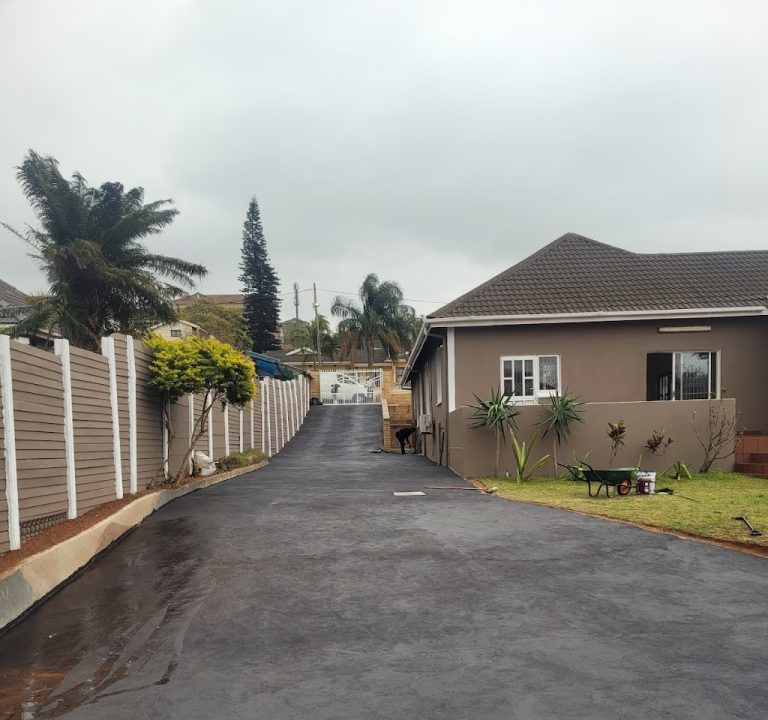
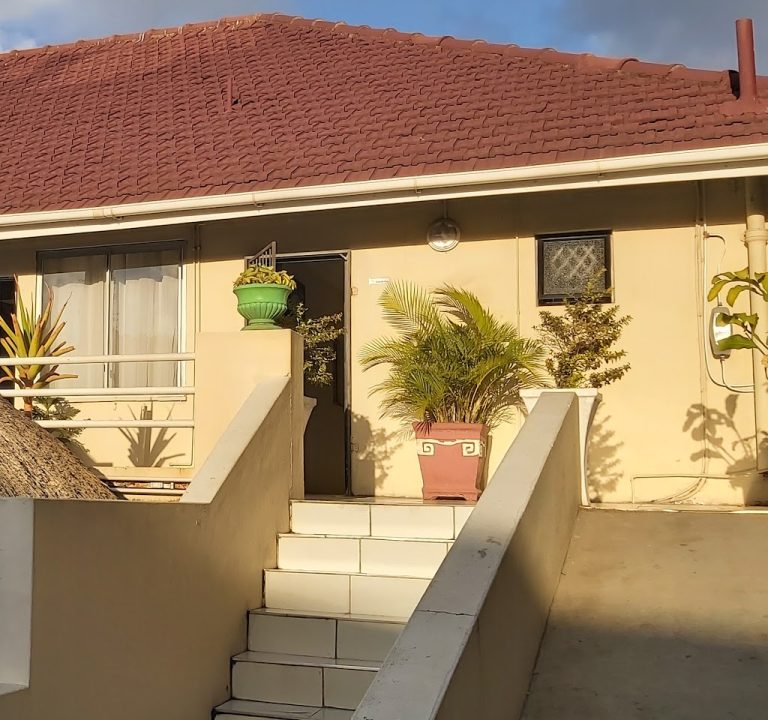
If you’re considering a stay in Durban, think of a landing plan that blends rest with exploration. A waterfront base gives you easy evening strolls and restaurants, while a central or hill-side guesthouse can offer quieter mornings and excellent city views. For an example of a welcoming stay in Durban, places such as a well-regarded bed and breakfast in a family-friendly area can provide a comfortable home base, with easy access to both coastal attractions and inland excursions. Whether you prioritise a cosy bed, friendly hosts or stylish interiors, Durban’s diverse accommodation scene supports a well-rounded visit to KwaZulu-Natal’s vibrant coastal city.