Durban: where to stay and how to plan your visit in KwaZulu-Natal
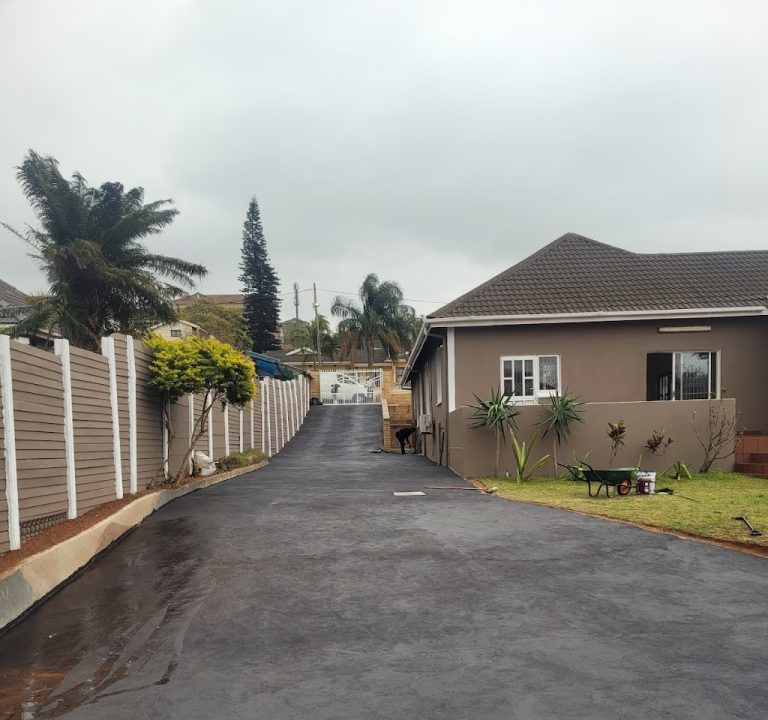
Durban offers a warm welcome with a blend of golden beaches, lively markets, and a cosmopolitan dining scene. Whether you favour a cosy guesthouse, a stylish hotel, or a self-catering apartment, the city’s neighbourhoods each have a character worth exploring. For travellers seeking a traditional experience alongside modern conveniences, Langton Guesthouse is a useful reference point for a stay that balances comfort, affordability, and location. See their listing at the website linked in this article for general ideas on guesthouse layout, breakfast options, and guest services.
Choose your base with care, as Durban is spread along a long coastline and the best area for you will depend on your planned activities. The beachfront and Golden Mile areas are popular for first-time visitors who want easy access to the promenade, beaches, and a cluster of visitor services. The Berea offers a quieter residential vibe with leafy streets and close proximity to restaurants and local markets. Umhlanga Rocks, a short drive north of the city centre, is known for a more resort-style ambience with promenade walks, shopping, and convenient links to the airport. If you prefer a cultural edge, certain neighbourhoods inland still provide comfortable stays with access to historic sites and street markets.
When evaluating accommodation, consider several practical factors to help you plan smoothly. Look for a property with secure parking if you’re hiring a car, or easy access to reliable taxi or rideshare options. Check if breakfast is included or available nearby, and whether self-catering facilities or kitchenettes are offered if you want flexibility for meals. A reputable guesthouse or hotel will typically provide clear room descriptions, photos, and a transparent cancellation policy. If you’re sensitive to noise, pay attention to room location and soundproofing, particularly in busy tourist zones along the coast.
Typical amenities that make a Durban stay comfortable include reliable Wi‑Fi, air conditioning or ceiling fans (the humid subtropical climate can be warm, especially in summer), a swimming pool for cooling off, and en-suite bathrooms. Many properties also offer communal lounges, ample outdoor spaces, and secure access. For longer stays, a well-equipped kitchen or kitchenette, laundry facilities, and proximity to supermarkets can be very convenient. Diversity in dining options nearby—from casual takeaway to sit-down meals—will help you tailor your schedule without needing to travel far for meals.
Transport in Durban is well supported by road links and an expanding range of urban transport options. If you’re arriving by air, the international airport sits to the north of the city and most visitors combine a coastal stay with a day trip to inland attractions. Within the city, car hire remains a straightforward option for exploring beyond your base. For those not driving, Uber and other ride-hailing apps operate in many parts of Durban, and some guesthouses arrange transfers for guests upon request. When booking, check proximity to main arterial routes and whether there are convenient local taxi services nearby to save planning time during your stay.
The best time to visit Durban is guided by your preferences for weather and crowds. The city enjoys warm summers with occasional tropical rain, making the beaches especially appealing from November through February. Winter months (June to August) are milder and drier, a good time for city sightseeing and day trips to nearby attractions. Spring and autumn typically offer pleasant temperatures for outdoor exploration and markets without the peak of summer crowds. If your plans include outdoor adventures, consider the tides, surf conditions, and wind forecasts, as coastal activities are highly weather-dependent.
Practical planning tips to help you optimise a Durban visit include budgeting for seasonal climbs in accommodation demand, particularly during school holidays and long weekends. Reserve accommodation ahead for peak seasons and ensure you understand cancellation terms. Pack sun protection, light layers for evenings, and comfortable footwear for walking along the promenades and shopping streets. Respect local guidelines at beaches and urban areas, and be mindful of safety in crowded spots, especially at markets or during late-evening strolls.
Durban’s attractions and experiences are broad and accessible without needing to commit to a single plan. Relax on the city beaches, stroll along the beachfront promenade, and enjoy the public gardens and palm-lined avenues. Cultural highlights often include museums and galleries that illuminate regional history, as well as markets and craft stalls to browse for unique souvenirs. For dining, expect a vibrant mix of seafood, curry-inspired dishes, and international options reflecting Durban’s diverse communities. Many visitors use a blend of self-guided exploration and day tours to surrounding nature reserves or scenic viewpoints that showcase the KwaZulu-Natal landscape.
- Look for properties with secure parking, reliable Wi‑Fi, and clear cancellation policies.
- Choose a location based on your plan: beachfront for relaxation, Berea for a quieter stay, or Umhlanga for proximity to shops and transport links.
- Confirm breakfast arrangements, meal options, and whether self-catering facilities are available.
- Check accessibility to public transport, taxi services, and the airport corridor if you’re short on time.
- Pack for Durban’s climate and be prepared for variable weather, especially in shoulder seasons.