Discover Durban: Accommodation and Experiences for a Memorable Stay
Durban, perched on the KwaZulu-Natal coast, blends sun-drenched beaches with subtropical scenery and a vibrant cultural mix. When planning a stay, choosing the right neighbourhood and accommodation can shape your experience just as much as the attractions you visit. Durban offers a range of options, from intimate guest houses and boutique hotels to comfortable self-catering flats and family-friendly lodges. For a stay that feels balanced and easy, consider choosing an area that matches what you want to make of your trip—whether it’s surf and seafood, city culture, or a relaxed seaside retreat.
Areas to consider
The central corridor around the Golden Mile and the Jacobs area puts you within easy reach of the beachfront, promenades, and a lively dining scene. If you favour a quieter vibe with easy access to nature, resist the urge to pack too much into one day and look at properties slightly inland or near the Durban North or Point areas, where you can still access beaches and parks without the heavier tourist bustle. For families or those seeking a strong local flavour, the Berea and Morningside districts often feature guest houses and small hotels with generous common spaces and easy routes to local markets and eateries. When evaluating areas, think about parking options, proximity to the city’s transport links, and the ease of walking routes to places you plan to visit.
What to look for when booking
- Location and access: proximity to beaches, popular sights, and public transport or road links.
- Type of stay: guest house, boutique hotel, hotel, or serviced apartment; some properties emphasise breakfast, others offer self-catering facilities.
- Guest experience: whether the property offers a homely atmosphere, concierge services, or personalised itineraries.
- Amenities: reliable Wi‑Fi, air conditioning, secure parking, on-site parking, laundry facilities, and kitchen access if you plan longer stays.
- Flexibility: cancellation policies and whether the property can accommodate changes to your plans.
Typical amenities and practical considerations
Durban’s climate is warm with a subtropical flavour, so expect sunny days most of the year with a chance of summer showers. When choosing accommodation, consider property features that will improve comfort: a shaded outdoor space, a pool, or easy access to outdoor areas is a boon in heat. For longer stays, a kitchenette or self-catering facilities are convenient, especially if you’d like to sample local produce and cook once in a while. A reliable fan or air conditioning is essential in summer, while a heated room or good heating options make winter stays more pleasant.
Transport and getting around
Durban is well served by a network of roads and a growing public transport system. If you plan to stay near the coast or the city centre, short trips on foot or by taxi-hailing apps can be straightforward. For more remote areas or day trips to the nearby mountains, a car or organised transfer is often the simplest option. When booking, check whether the property offers parking, and whether there are convenient taxi or shuttle services nearby. If you favour a car-free approach, pick a base near main bus routes or within walking distance of the shoreline promenade and key parks.
Best time to visit
Durban enjoys warm summers and mild winters, with humidity higher in the warmer months. The shoulder seasons—spring and autumn—often provide pleasant conditions for outdoor activities and sightseeing with fewer crowds. If you’re keen on beach days, plan for late spring through early autumn; for cultural experiences, consider staying during festival periods when the city hosts markets, performances, and neighbourhood events. Always factor in possible rain showers if visiting in the hottest months.
Attractions and experiences (general terms)
Durban’s offer spans natural beauty, urban green spaces, and a rich cultural heritage. Days can be spent enjoying long coastal walks, visiting well-kept parks and botanical gardens, and exploring markets with a mix of crafts and cuisine. The city’s museums and historic sites provide context on KwaZulu-Natal’s layered history. For a relaxed day, you might combine a stroll along the beachfront with a visit to a scenic harbour area, followed by a riverside or hilltop green space. Dining options range from casual seafood shacks to family-friendly eateries and contemporary restaurants that showcase local produce. While staying, don’t miss opportunities to sample street food, regional favourites, and markets where artisans and cooks showcase their wares.
Restaurant and dining approach
Durban’s food scene reflects its coastal location and multicultural heritage. Look for venues that highlight fresh seafood, Indian-influenced dishes, and modern South African cuisine. When planning meals, consider a mix of casual daytime spots and more atmospheric evening venues. It’s worth booking ahead for popular locales, especially on weekends or during festival periods. Many places offer a menu focusing on seasonal ingredients and regional flavours, with options to suit families, couples, or solo travellers.
Practical tips for a smooth stay
- Book a flexible rate and read the fine print on cancellation policies.
- Contact hosts or reception in advance to arrange airport or station transfers if needed.
- Pack with Durban’s climate in mind: lightweight clothing, sun protection, and a light sweater for cooler evenings.
- Bring adapters for local outlets and a sturdy bag for market purchases.
- Check if the property provides information on local walks, public transport cards, and recommended day trips.
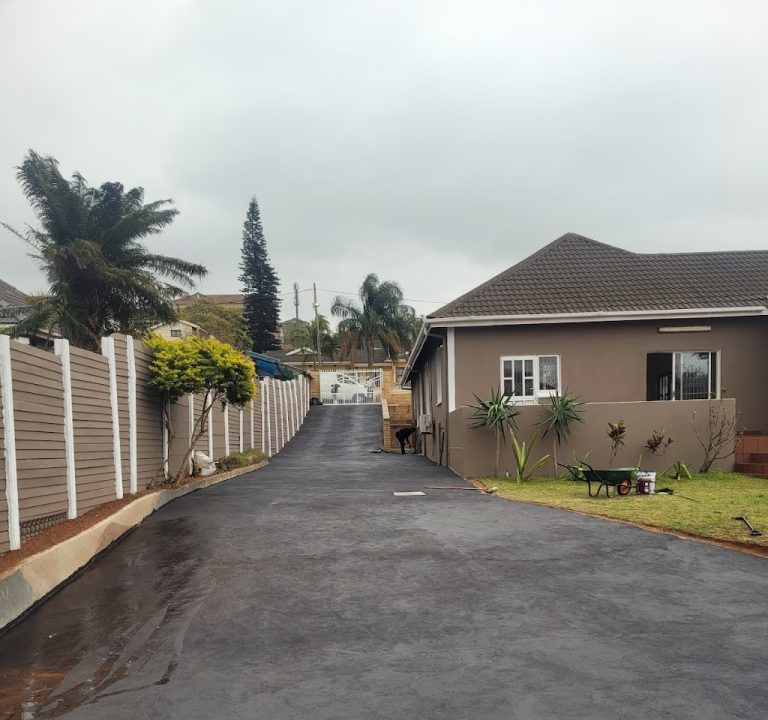
If you’re considering a stay that captures the essence of Durban while offering comfort and convenience, a guest house such as The Grove Guest House (where available) can provide a personable base with easy access to the city’s main beaches, parks, and dining options. For more ideas and a feel for current availability, you can explore Durban’s visitor pages and property listings online, which often include neighbourhood guides, suggested itineraries, and practical travel tips.