Durban: Where to stay and what to do in KwaZulu-Natal
Durban sits along the Indian Ocean with a subtropical climate, a vibrant mix of cultures and a relaxed coastal pace. When planning a stay in this dynamic city, accommodation options range from stylish hotels and modern apartments to friendly guesthouses and budget-friendly hostels. The key is to choose a neighbourhood that matches your itinerary and pace, then pair it with flexible transport and a few well-timed experiences to get the most from your visit.
Areas to consider include the beachfront precincts, historic suburbs, and the commercial heart near the harbour. The beachfront area offers easy access to sandy beaches, promenades, and a lively food and bar scene, often with options that suit travellers seeking convenience and a compact, walkable stay. If you prefer a quieter, more leafy ambience, inner-city suburbs with tree-lined streets house boutique hotels and guesthouses close to cafés, markets, and cultural venues. For access to longer day trips or easy travel to the airport, staying near major transport hubs or main routes can simplify your schedule.
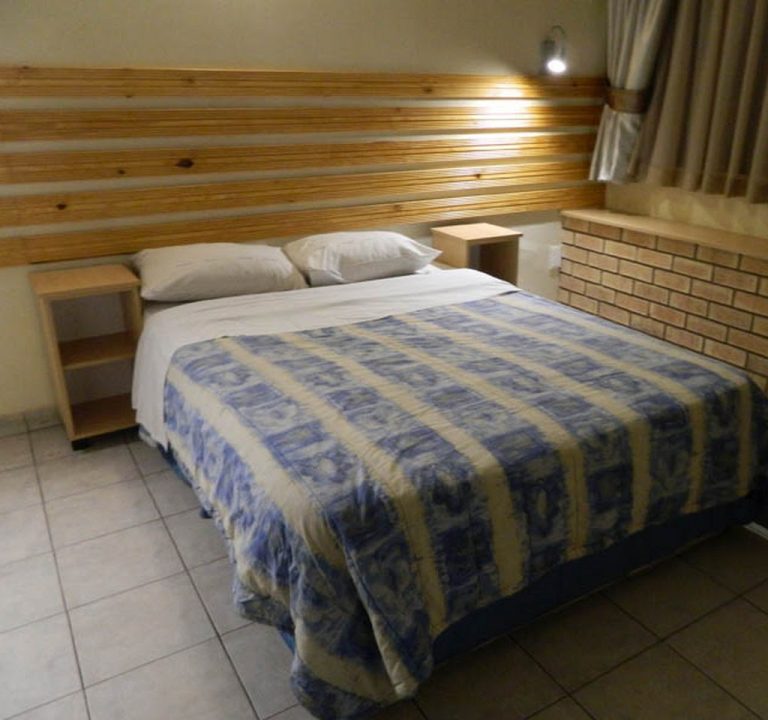
When choosing accommodation, look for a few practical features that can make a stay easier. A reliable front desk or on-site reception, flexible check-in and check-out, and secure storage for luggage are especially helpful if you have a packed itinerary. Think about room configurations—whether you’re travelling solo, as a couple, or with family or friends—and whether you’ll value a kitchen or kitchenette, a comfortable work space, or a generous lounge area. Free Wi‑Fi, air conditioning or ceiling fans, and a robust laundry service can transform a busy city break into a smoother experience. If your plan includes day trips, ask about late check-out options or luggage storage for the days you don’t want to drag bags around town.
Transport in Durban is relatively straightforward, with a mix of scenic coastal roads and urban routes. For short hops within the city, consider rideshare apps or taxis, and check whether your accommodation can arrange reliable transfers. Public transport options exist, but services can be irregular outside peak hours. If you plan to explore beyond the city, a car rental offers maximum flexibility, while guided tours can simplify access to regional attractions and nature reserves. If you prefer a more active approach, many areas offer bike rental schemes, which is a pleasant way to explore the promenade, markets, and waterfront districts at a leisurely pace.
The best time to visit Durban is influenced by the climate and crowds. The city enjoys warm summers with occasional tropical rainfall and mild winters, making beach days and outdoor markets appealing most of the year. For outdoor activities such as walking along the coastline or visiting botanical gardens, spring and autumn offer comfortable temperatures. If you’re interested in seasonal events, plan ahead around public holidays and festival periods, which can bring festive atmospheres but also higher occupancy in popular lodgings. A flexible itinerary helps you adapt to changing weather or last‑minute recommendations from locals and staff at your accommodation.
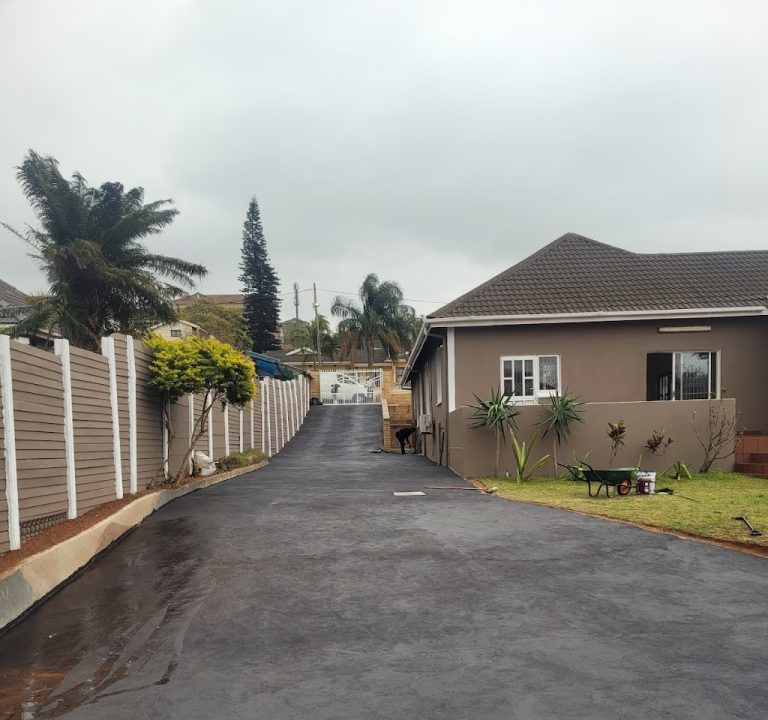
Typical amenities you may encounter include en-suite bathrooms, daily housekeeping, secure parking, and on-site bars or cafés. Some properties offer concierge services, while others prioritise a relaxed, self‑catering vibe. If you’re leaning towards a more boutique or intimate stay, guesthouses and smaller hotels often provide thoughtful touches such as locally sourced breakfast options, custom recommendations, and friendly, hands-on service. For families or longer visits, apartment‑style stays with kitchen facilities can offer cost savings and convenience, particularly if you’re balancing several meals around day trips and waterfront strolls.
Durban’s appeal extends beyond where you sleep. Coastal paths and beaches invite long walks, sunrise runs, or a refreshing swim. The city’s market halls, vibrant streets, and multicultural eateries offer opportunities to sample a range of flavours, from seafood to Durban curries and other regional favourites. Cultural hubs and museums present insights into the region’s history and contemporary life, while parks and botanical gardens provide shaded spots for a restful afternoon. If you enjoy outdoor experiences, day trips to nearby nature reserves, wildlife vantage points, or hilltop viewpoints are feasible with a car or guided excursion.
Practical tips for a smooth stay:
- Book in advance for peak seasons such as school holidays or major events, and request a room away from busy streets if you prefer a quieter night.
- Ask your host or hotel about transport options from the airport or seaports, and whether shuttles or guided day trips are available.
- Check meal arrangements—some properties offer self‑catering facilities, while others include breakfast or dining options on site.
- Pack a light waterproof layer for sporadic tropical showers, and sunscreen for long outdoor days on the promenade.
- Keep a flexible plan; local recommendations during your stay can lead to a handful of memorable suppers and experiences.
Planning a Durban stay around a couple of core priorities—an easy access to the coast, a comfortable base with dependable amenities, and a little time for markets and waterfront cafés—can yield a balanced and relaxed itinerary. For inspiration and practical booking details, browse current property listings and consider a stay that aligns with your preferred pace, whether that means a stylish hotel by the tidal flats, a welcoming guesthouse in a leafy suburb, or a compact apartment near the harbour front. More information on Durban’s attractions, dining options, and practical travel planning can be found at established visitor sites and tourism resources online. Visit Durban can provide practical guidance about seasonal events, transport tips, and areas to explore during your stay.