Durban: where to stay, plan your visit, and make the most of KwaZulu-Natal
Durban, perched on the eastern coast of South Africa, offers a warm subtropical welcome alongside rolling Indian Ocean seas, lively markets, and a rich mix of cultural experiences. Whether you are seeking a breezy beach break, a comfortable family stay, or a stylish city base to explore the surrounding region, Durban’s accommodation options cater to a wide range of tastes and budgets. The key is to choose a neighbourhood that aligns with your plans—whether you want easy beach access, nightlife and dining, or calmer residential streets close to nature reserves.
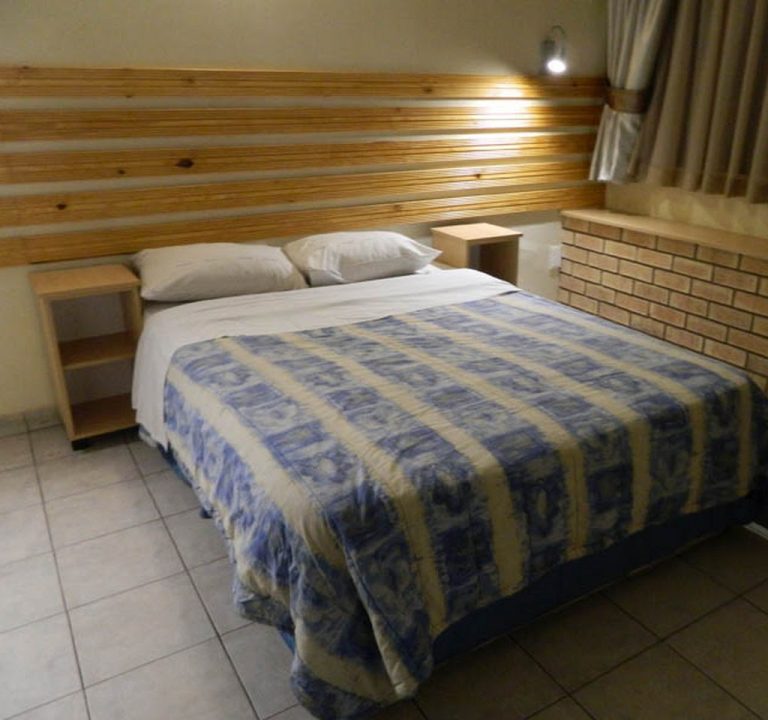
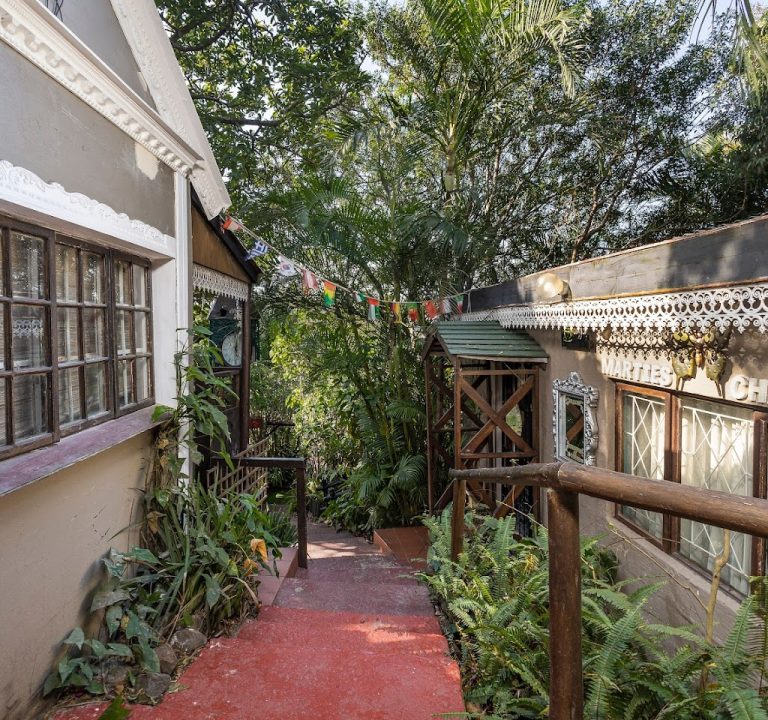
Accommodation types you’re likely to encounter include guesthouses and BnBs with personalised service and breakfast options, mid-range hotels with on-site facilities, self-contained apartments for longer stays, and larger resorts or lodges near the coast. Many properties emphasise hospitality and practical extras such as secure parking, reliable Wi‑Fi, self-catering facilities, and easy access to public transport or car hire. When booking, look for clear cancellation policies, detailed room descriptions, and photos that reflect the actual space. Pay attention to accessibility features if needed, and check reviews for notes on noise levels, cleanliness, and staff responsiveness.
Durban’s best-loved areas for visitors include a number of distinct hubs. To help you plan, consider these neighbourhoods and what they offer:
- Golden Mile and beachfront precincts for sun, surf, and easy access to the promenade.
- North Beach and the Point area for a lively atmosphere, close to marine activities and waterfront dining.
- Umhlanga and La Lucia for resort-style stays, long sandy beaches, and modern amenities a short drive from the city centre.
- Morningside, Greyville, and Windermere as convenient city bases with a mix of guesthouses and hotels, near shopping, cafés, and commuter routes.
- Durban North and the river estuaries offer a quieter, more residential feel with straightforward routes to the southern suburbs and inland attractions.
Planning a stay in Durban means balancing location with transport and timing. If you plan to spend long days at the beach or exploring the harbour and uShaka Marine World, a beachfront or near-beach hotel can cut down on travel time. For exploring markets, museums, and street food, a central or north-central base with easy taxi or rideshare access can save time. Durban’s public transport is practical for short hops, but many visitors prefer a hire car for flexibility, especially if you intend to explore broader KwaZulu-Natal or the inland Drakensberg region.
Typical amenities to look for include air conditioning or ceiling fans (to cope with Durban’s warmth), reliable hot water and good drainage, secure parking, well-equipped kitchens or kitchenettes for self-catering, and on-site or nearby eateries. A property with a well-run reception, helpful staff, and guest services—such as luggage storage, excursion booking advice, and guidance on local public transport—can make a big difference to your stay. If you value wellness or leisure facilities, some hotels and guesthouses offer pools, private lounges, or access to beach clubs and day trips to nearby nature reserves or cultural sites.
The best time to visit Durban is influenced by weather and crowd levels. The city enjoys warm summers with occasional tropical showers, making the months from December to February popular with beachgoers. However, late spring (September to November) and autumn (March to May) offer pleasant temperatures and quieter streets. If you are aiming to attend outdoor markets, festivals, or outdoor dining, check local event calendars to avoid clashes with peak holiday periods when accommodation can be in higher demand.
When it comes to attractions and dining, plan a mix of experiences. You might stroll along the promenade, enjoy a day at the beach or harbour, and explore markets or cultural centres to understand Durban’s diverse heritage. Dining options range from casual seaside shacks to contemporary eateries and restaurants that showcase local seafood, Indian influences, and mixed South African flavours. Rather than chasing specific names or prices, look for venues that offer a relaxed atmosphere, fresh ingredients, and good value for money, with menus that clearly indicate allergen information if needed.
Practical tips for a smoother stay:
- Book accommodation with flexible cancellation and verify parking arrangements if you are driving.
- Carry a small amount of local currency for markets and tip generously where service is attentive.
- Pack sun protection, comfortable footwear for walks, and a light rain jacket for humid showers.
- Use reputable transport options or pre-arranged transfers for longer day trips.
- Check forecasted client reviews for recent updates on safety, cleanliness, and staff helpfulness.
Durban blends laid-back beach appeal with cosmopolitan dining and easy access to natural beauty and cultural experiences. By choosing your neighbourhood with your itinerary in mind, you can maximise relaxation, convenience, and opportunities to discover the warmth and flavour of KwaZulu-Natal during your stay.