Durban, KwaZulu-Natal: where to stay, what to do and how to plan your visit
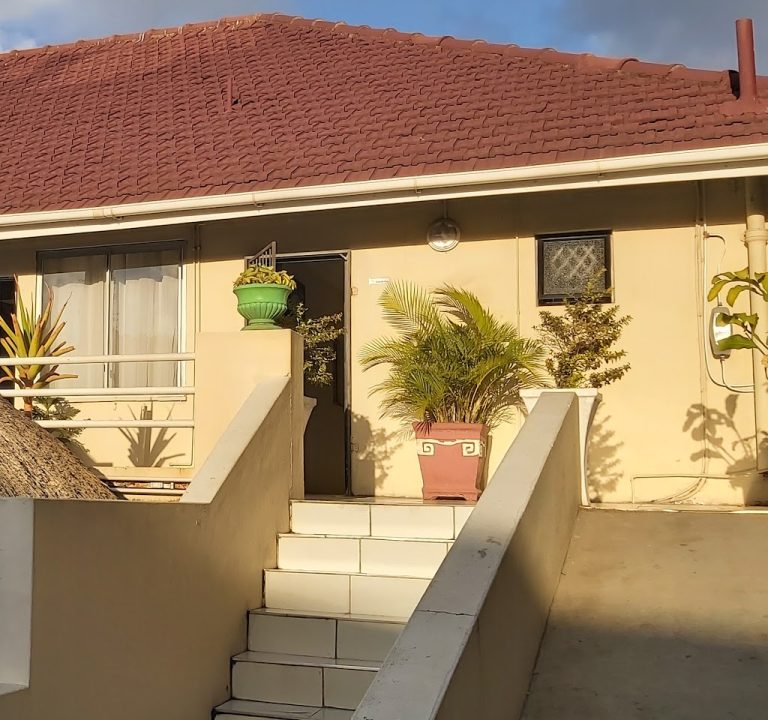
Durban is a vibrant coastal city that blends tropical warmth with a cosmopolitan edge. When choosing where to stay, consider what you want from your break: sun-washed beaches, easy access to the harbour and city sights, or a quieter base from which to explore the KwaZulu-Natal Midlands and coast. Durban offers a range of accommodation options from boutique inns and guesthouses to larger hotels and purpose-built lodges, each with its own character and convenience. One example that travellers may encounter in the region is a lodge-style property marketed under the name LODGE Montclair, which epitomises the lodge category with comfortable rooms and a relaxed, hospitable atmosphere.
Areas to consider include the Durban Beachfront along the Golden Mile, where you’ll find promenades, surf and a lively atmosphere close to restaurants and bars. The Berea and Morningside districts are popular with visitors who want a more residential feel while staying within easy reach of the city’s attractions. Umhlanga Rocks and the northern coastline offer quieter beaches, upscale dining, and shorter drives to popular attractions. For a more tranquil escape, a stay inland in the Durban countryside or near the coastal villages provides a different pace while remaining within reach of the city’s temperate climate and recreational options.
Typical amenities across Durban’s accommodation spectrum include en-suite bathrooms, complimentary Wi‑Fi, air conditioning or ceiling fans, and access to pools or terraces. Many properties provide secure parking and on-site diners or cafes, while some lodge-style stays emphasise shared spaces such as lounges, verandas and gardens. When choosing, consider whether you prefer self-catering facilities, a full-service restaurant on-site, or proximity to cafés and eateries in walking distance. If you’re visiting during peak season, a balcony or sea-facing room can be especially appealing, while midweek stays may offer better value in some areas.
Transport is practical to plan in Durban. If you’re driving, map your route to your chosen suburb in advance and check parking arrangements for your accommodation. In the city centre and beachfront zones, taxis and ride-hailing services are widely available, and many hotels arrange airport transfers or day trips. Durban’s public transport options include a suburban rail network and local buses; however, for maximum flexibility, many visitors opt to hire a car for day trips along the coast and into the nearby KwaZulu-Natal Midlands. If you’re reliant on public transport, select a central base with easy access to major routes and a taxi or ridesharing option for late evenings.
The best time to visit Durban is influenced by warm weather and the rhythm of the coast. The city enjoys a subtropical climate with hot, humid summers and mild, dry winters. May to August tends to be drier and slightly cooler, which can be ideal for sightseeing and hiking in the surrounding hills. December to February brings peak beach weather with plenty of sunshine, but humidity can be higher and popular spots book quickly. Shoulder seasons can offer a balanced blend of comfortable temperatures and quieter streets, making it easier to discover both well-known attractions and hidden corners of the city.
When planning your stay, practical considerations include the following:
- Choose a base with good walking access to beaches, shops and dining, if you prefer to stroll rather than drive.
- Check for air conditioning or fans in the room, especially for summer visits, and confirm pool access if you anticipate needing a cooling dip.
- Look for flexible booking terms, particularly if your travel plans may shift with weather or events in the city.
- Ask about on-site or nearby dining options and whether breakfast is included or available to purchase locally.
- Assess security features such as gated parking, visibility of reception staff, and well-lit common areas.
- Plan your excursions in advance but leave room for spontaneous discoveries along Durban’s coastline and markets.
Attractions and experiences in and around Durban are diverse and accommodating to different interests. You’ll find long stretches of beach ideal for swimming and surfing, scenic coastal walks, and cultural delights ranging from museums to bustling markets. For a relaxed day, explore the promenades, try local seafood, and enjoy the subtropical climate at a beachfront cafe or bar. For a taste of KwaZulu-Natal’s heritage, consider tours or day trips that showcase the region’s landscapes, wildlife reserves, and hillside towns, with guides able to tailor itineraries to families, couples or solo travellers.
Durban’s restaurant scene is lively and varied, with venues offering fresh seafood, Indian-influenced dishes, and contemporary dining that highlights regional produce. If you’re short on time, ask reception for recommendations that suit your preferred pace and budget, from casual eateries to more refined dining rooms. Many visitors enjoy pairing a relaxed meal with sunset views over the Indian Ocean or a stroll along the foreshore after dinner.
To start planning, consider booking a lodge or guesthouse in a well-connected area such as the beachfront or a central neighbourhood with easy access to both outdoor activities and urban pleasures. For more inspiration and practical tips on Durban’s accommodation, attractions and travel planning, you may wish to visit official regional tourism pages and reputable travel guides that provide current listings, itineraries and seasonal recommendations. You can explore further details about Durban at official tourism sites and related resources via links on their pages.