Cape Town: Where to Stay, Plan Your Visit, and Enjoy the City’s Attractions
Cape Town blends dramatic natural scenery with a cosmopolitan edge, making it a magnet for travellers seeking a range of accommodation styles and experiences. From elegant guesthouses in quiet neighbourhoods to self‑catering apartments with sea views, the city’s diverse districts offer options to suit different budgets and itineraries. As you plan your stay, consider which area will place you closest to the activities you love, and how you want to move around the city.
Key areas to consider when booking include the V&A Waterfront and City Bowl for easy access to dining, nightlife, and cultural sights; the Atlantic Seaboard for beaches and dramatic coastal walks; Camps Bay, Clifton, and nearby upmarket enclaves for a resort-like ambience; and central districts such as Tamboerskloof, Woodstock, and De Waterkant for walkability to markets, cafes, and entertainment. For families or longer stays, self‑catering options in Tyger Waterfront or Century City can provide a convenient base with kitchen facilities and extra space, while offering quick access to major routes and shops.
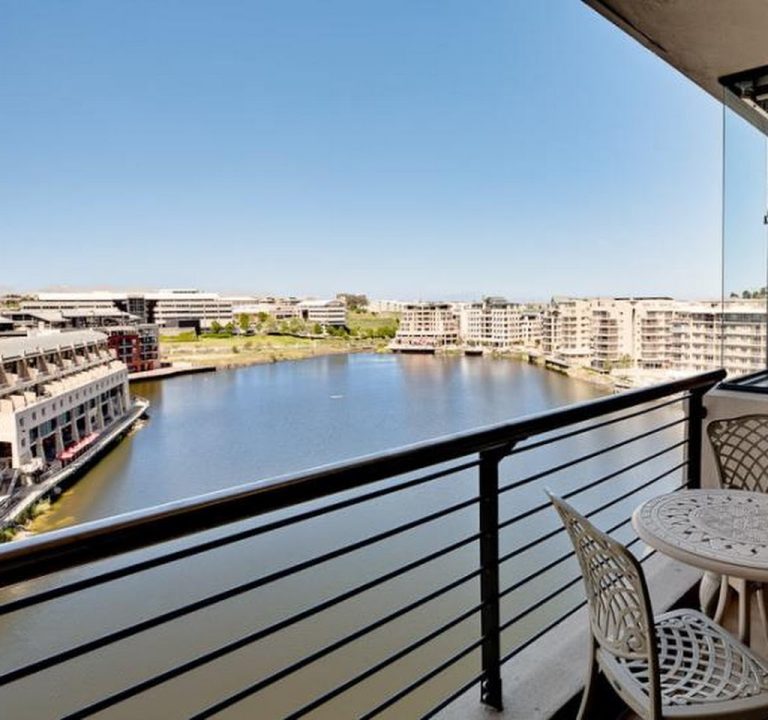
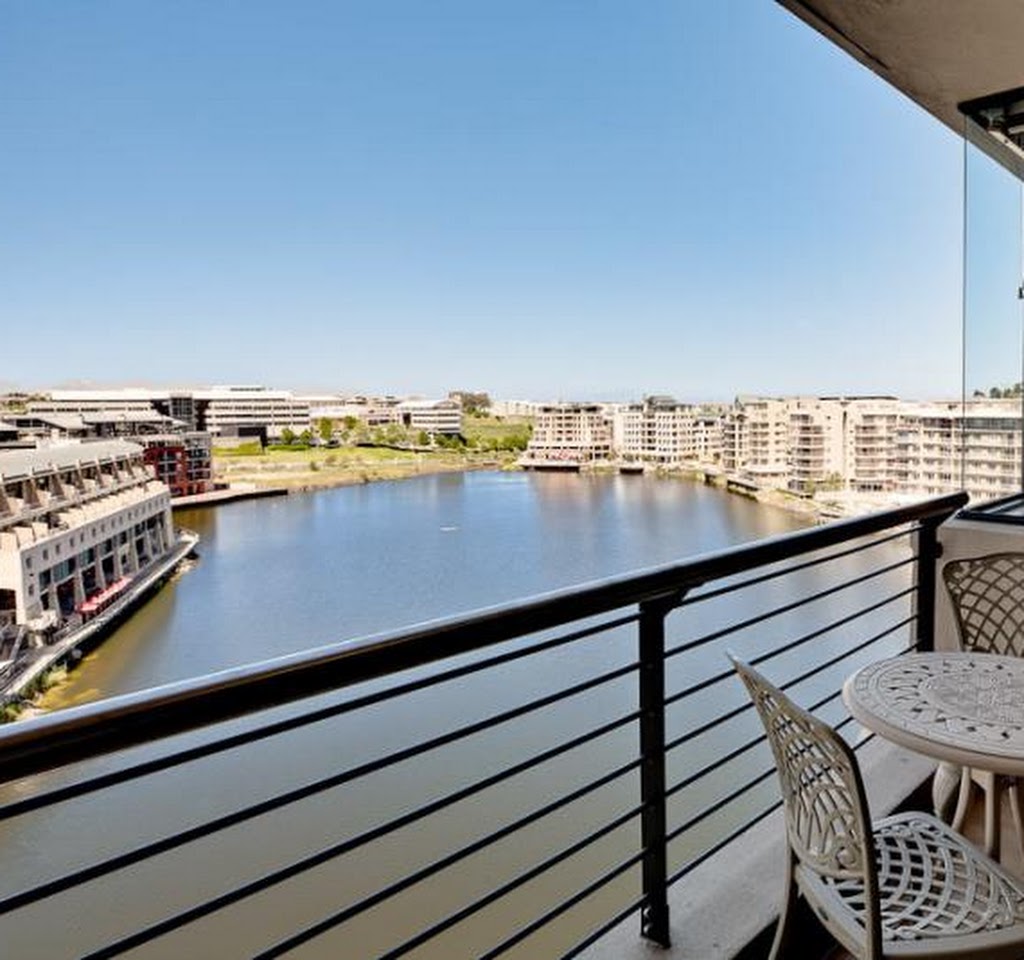
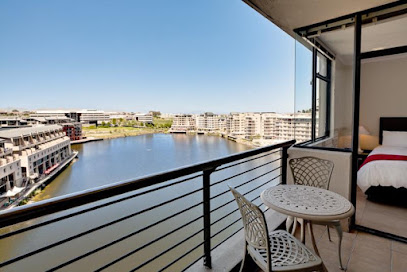
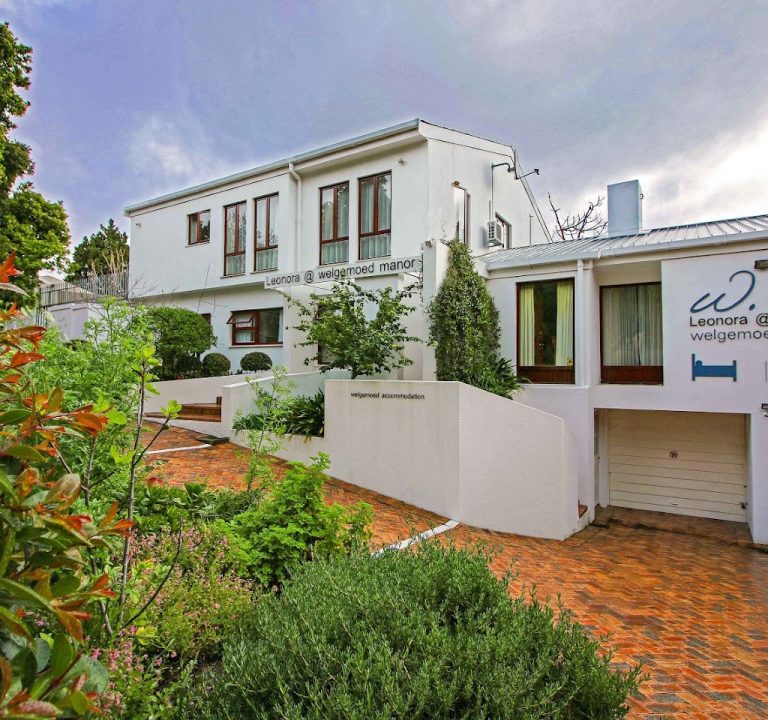
Typical accommodation types range from boutique hotels and guesthouses with personalised service to self‑catering apartments and serviced flats. Self‑catering stays—such as Tyger Waterfront Serviced Apartments—offer conveniences for longer visits, with kitchens or kitchenettes, living spaces, and the option to dine in or out as you prefer. When selecting a property, think about practicalities such as the size of the group, the level of privacy you want, and whether you need on‑site facilities like laundry, parking, or a gym.
What to look for when booking:
- Location relative to planned activities and preferred transport modes.
- Access to safe, well‑lit neighbourhoods, and proximity to major roads or public transit.
- Clear communication from the host or management team and transparent cancellation policies.
- Adequate kitchen facilities for self‑catering stays, if desired, and reliable wi‑fi for work or streaming.
- Typical amenities such as air conditioning or heating, secure parking, and daily housekeeping options where available.
- Guest reviews that highlight comfort, cleanliness, and convenience for visitors with similar interests.
Transport in Cape Town is varied. If you plan to explore beyond your immediate neighbourhood, you’ll benefit from being close to a MyCiTi bus stop or a taxi‑biking option, and for scenic trips, guided tours or day trips by road can be a thoughtful addition to your itinerary. If you’re staying in a self‑catering apartment, you may still want easy access to grocery stores, cafés, and bakeries so you can prepare meals or stock up between excursions. Parking availability is worth confirming, especially in busier coastal areas where street parking can be limited or require payment during peak times.
When to visit: Cape Town’s climate is mild with a Mediterranean pattern. The summer months (roughly December to February) are warm and bring plenty of sunshine, ideal for outdoor activities such as the beach, coastal walks, or harbour excursions. Winter (June to August) is cooler and wetter, but offers fewer crowds and atmospheric coastal scenery, with excellent conditions for city museums, dining, and hillside viewpoints on clearer days. Shoulder seasons—spring and autumn—often deliver pleasant weather and lower accommodation rates, making them particularly appealing for first‑time visitors aiming to balance activities with leisure time.
Practical tips to help you enjoy a smooth stay:
- Plan at least one day around the famed Table Mountain and surrounding nature trails, but be prepared for changing weather; a lightweight rain jacket is handy even on sunny days.
- Book waterfront or mountain‑view accommodation where possible to maximise early‑morning or golden hour photos without long commutes.
- Make restaurant reservations for popular neighbourhoods, especially in peak seasons and over weekends.
- Pack a power adaptor suitable for South Africa and confirm the property’s kitchen amenities if you intend to self‑cater.
- Consider a mix of in‑city stays and day trips to capture both urban culture and natural beauty, from historical sites to pristine beaches and winelands nearby.
- Respect local customs and safety guidelines, especially when exploring busy markets or nightlife districts after dark.
Attractions and experiences can be enjoyed in general terms across the city. Visitors often combine a scenic drive or cable‑car ascent for panoramic views, with visits to celebrated coastal promenades, markets offering crafts and local foods, and museum or gallery highlights that showcase South Africa’s diverse heritage. Dining ranges from informal eateries to refined eateries that celebrate coastal produce and regional flavours. For a broader sense of the region, you can explore the official Cape Town tourism site for practical visitor updates, suggested day plans, and transport tips. By choosing a well‑located stay and planning a balanced mix of activities, your Cape Town visit can be both relaxing and richly memorable.