Accommodation and experiences in Cape Town, Western Cape
Cape Town offers a diverse tapestry of places to rest, from cosy guesthouses to stylish lodges perched on the lower slopes of iconic mountains. When planning a stay, think about what you want to combine with your days of exploration: panoramic vistas, easy access to the city’s beaches, vibrant dining scenes, or leisurely drives along dramatic coastline. The city’s neighbourhoods each have their own character, so choosing the right area can shape your whole trip.
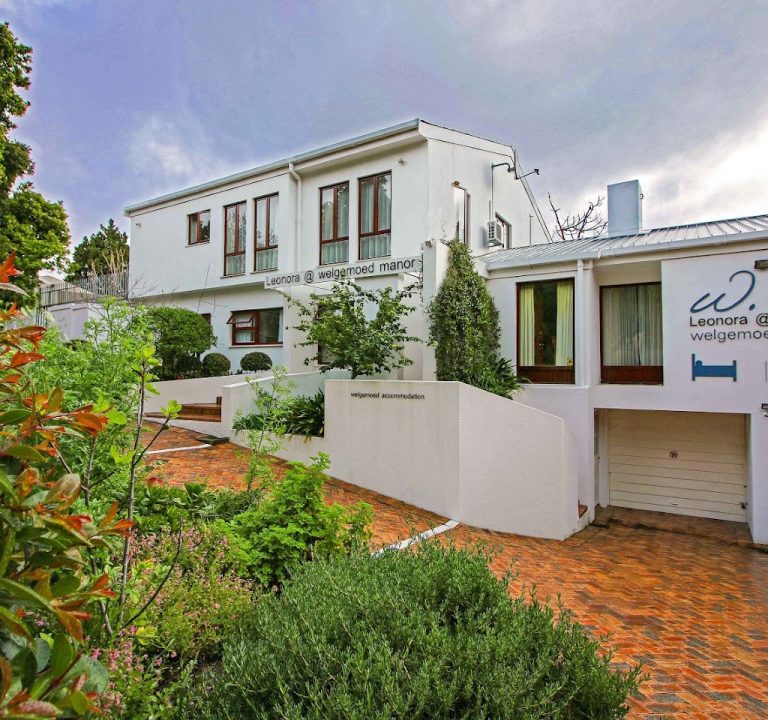
At Latreuo Guest House, a well-sited lodging option, guests typically find a comfortable base that blends homely hospitality with convenient access to major sights. While every property differs, typical features to expect across many Cape Town stays include en suite bathrooms, free Wi-Fi, secure parking, and a continental or full breakfast offering. Some properties may provide extras such as on-site coffee shops, verandas with harbour or mountain views, or access to shared lounge spaces. When comparing options, consider how the character of the neighbourhood aligns with your plans and whether the accommodation offers easy routes to public transport or parking if you plan to hire a car.
A thoughtful approach to planning helps you make the most of your time. Cape Town is surrounded by a dramatic natural setting, and transport options vary by area. The City Bowl puts you within easy walking distance of museums, markets and the historic architecture of central Cape Town, while the Atlantic Seaboard neighbourhoods offer quicker access to beaches and sea air. The Southern Suburbs provide a quieter pace and green spaces, ideal for families or travellers seeking a slower rhythm, and guest houses along the Atlantic coast can be a stone’s throw from scenic drives along the coast road. If you plan to use public transport, verify proximity to train or bus links, and whether the property is on a main route or a short taxi hop from your planned activities.
What to look for when booking includes a balance of comfort and practicality. Consider room sizes and configurations for couples, groups, or families, the availability of parking, breakfast options, and whether the property has helpful extras such as local recommendations, map collections, or quiet outdoor spaces. In many establishments, attentive hosts are happy to organise guided tours, wine-tasting experiences, or day trips to nearby attractions. If you’re visiting with a vehicle, check for secure parking or easy street access, and ask about steep driveways or tight corners if you’ll be staying in a hillside location.
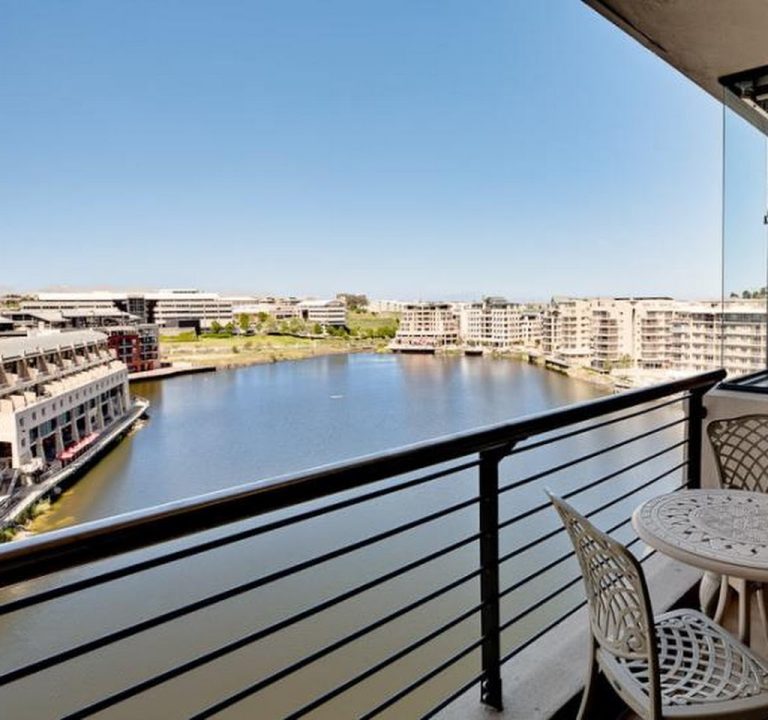
Typical amenities across well-regarded Cape Town stays often include reliable heating or air conditioning, fresh bed linen, daily housekeeping, and a well-equipped kitchen or kitchenette where applicable. A friendly, responsive host or manager can make a big difference, helping with dining recommendations, transport tips, and practicalities such as laundries or late check-in arrangements. Many properties also provide bathtubs or walk-in showers, quality bedding, and a pleasant shared or private outdoor area—perfect for sunrises over Table Mountain or sunsets over the Atlantic.
When to visit Cape Town is a delicate balance of climate, crowds, and the activities you want to enjoy. The summer months (roughly December to February) are warm and ideal for beaches and harbour walks, but can be busy. Spring (September to November) and autumn (March to May) offer milder weather, calmer attractions, and shorter queues at popular sites. Winter (June to August) tends to be cooler and wetter, yet the city still hosts vibrant markets and cultural events, and may present good value on accommodation. Pack layers, comfortable walking shoes, a hat and sunscreen for sunny days, and a light rain jacket for the occasional showers. If you’re planning outdoor adventures, booking in advance for popular viewpoints or boat trips is wise, especially during peak season.
Getting around Cape Town is a practical consideration. Some districts are best accessed by car, while others are well suited to walking or rideshares. If you prefer a day-by-day approach, your host can often suggest a logical route that minimises backtracking, for example combining a Table Mountain ascent with an afternoon in a nearby harbour district or an urban stroll through markets and galleries. For longer trips, consider a scenic drive along the Cape Peninsula, with stops at coastal towns and viewpoints that showcase the region’s diverse landscapes. A well-planned itinerary helps you balance time between iconic landmarks and hidden gems, so you can savour both the renowned sights and the twists of lesser-known streets and eateries.
Dining in Cape Town runs the gamut from casual bistros to refined eateries, many offering seafood-forward menus and globally inspired fare. In addition to formal meals, you’ll discover markets, coffee shops, and casual streetside favourites where you can enjoy fresh produce, artisan breads, and regional wines. When looking for restaurants, consider proximity to your base and whether you’d rather a lively neighbourhood scene or a quieter, more intimate setting. Local recommendations from your accommodation host can be a valuable compass to good-value options and seasonal specials.
In short, a well-chosen base in Cape Town can unlock a satisfying blend of mountain views, coastal air, cultural immersion, and easy access to a wealth of experiences. By weighing neighbourhood character, essential amenities, transport links, and the rhythm of the season, you’ll be well placed to craft a stay that feels both relaxed and rewarding. Whether you’re waking to harbour lights, planning a scenic drive, or mapping a day of museums and markets, Cape Town invites you to explore with a balance of comfort and curiosity.
- Consider area and access to transport when booking
- Look for flexible breakfast options and reliable Wi-Fi
- Check parking arrangements if you’re driving
- Ask hosts for personalised activity and dining tips
- Plan a flexible itinerary to balance iconic sights with local experiences