Accommodation and Experiences in Cape Town: A Practical Guide for Visitors
Cape Town combines dramatic scenery with a welcoming mix of guesthouses, boutique hotels and self‑catering options that suit a wide range of travellers. Whether you seek a coastal breeze near the Atlantic Seaboard, a historic stay in the city bowl, or a hillside retreat with panoramic views, planning ahead can help you make the most of your time in this remarkable corner of the Western Cape.
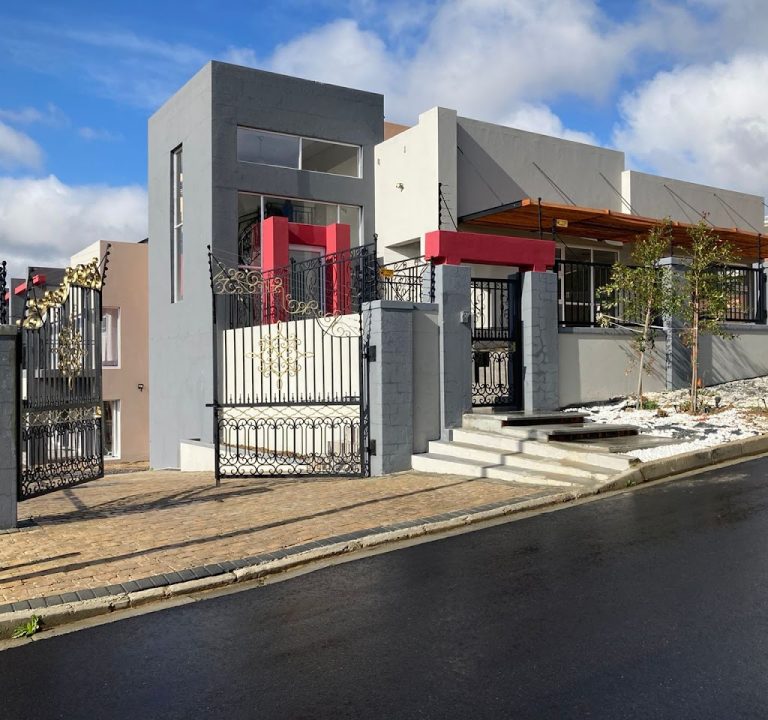
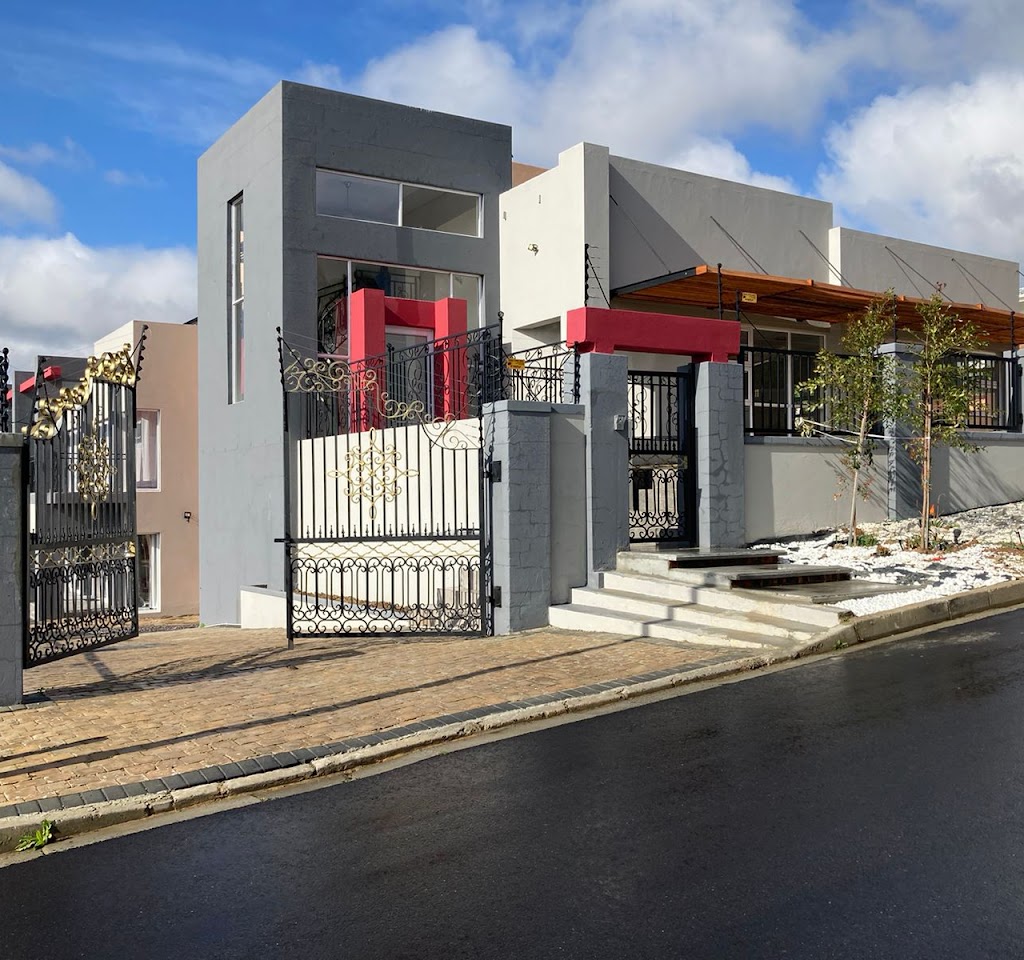
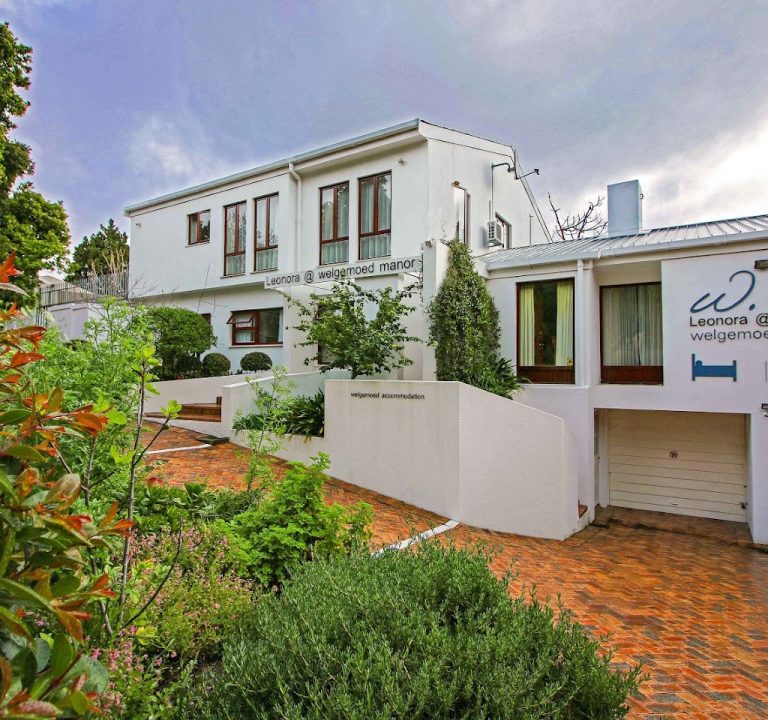
When choosing where to stay, consider what you want to do most. The city’s geography encourages a split approach: a central base for accessing museums, markets and nightlife, and a quieter neighbourhood for long mornings and relaxed evenings. A good guest house or boutique hotel often blends comfort with local character, offering thoughtful touches such as a hearty breakfast, a cosy lounge, reliable Wi‑Fi and easy access to public transport or organised tours. If you’re exploring on foot or by car, look for accommodation within easy reach of major routes and a pleasant walk to shops and eateries. Heavenly’s View Guest House, for example, represents a classic guest house option known for its location and personalised service, a reminder that character and hospitality can be as important as modern facilities.
Areas to consider include:
- City centre and the Gardens: convenient for museums, the Company’s Garden, theatres and a wide choice of dining options; good for travellers who want instant access to public transport and guided tours.
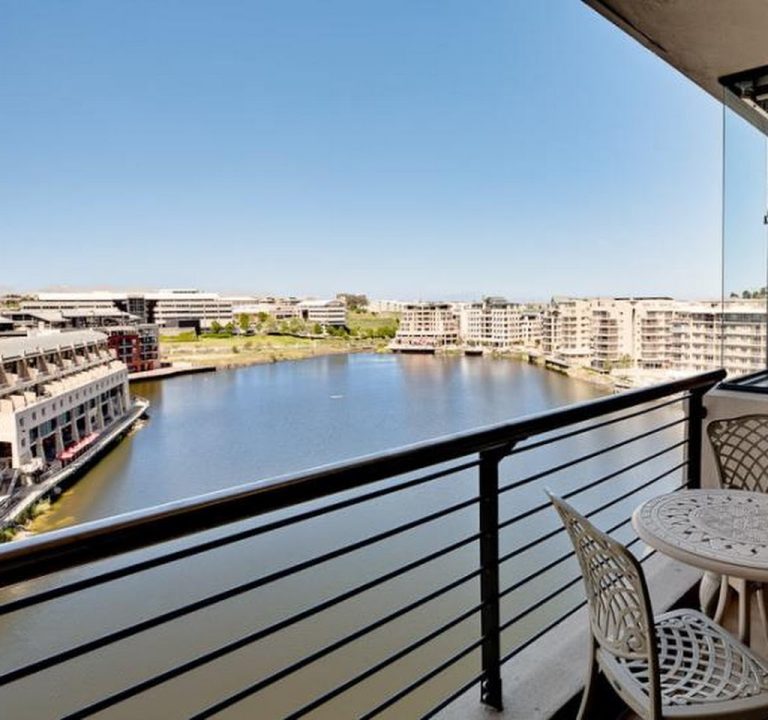
- V&A Waterfront and Green Point: lively seaside vibes, waterfront walks, and an easy base for day trips to the Cape Peninsula; look for properties with sea views or terrace spaces.
- Atlantic Seaboard (sea facing): Camps Bay, Clifton and Bantry Bay offer stunning scenery and beaches, with stylish eateries nearby; best for those seeking a resort‑like feel or longer beachfront strolls.
- Observatory and central districts: more affordable and lively, with quirky cafés, bookshops and a youthful atmosphere; ideal if you want a neighbourhood with atmosphere and easy access to routes across the peninsula.
What to look for when booking:
- Amenities and room types: check whether the property offers en‑suite bathrooms, secure parking, breakfast options, and pleasant communal spaces. A well‑equipped guest house might also provide a small kitchenette, laundry facilities or a curated local knowledge base with maps and tips.
- Transport links: proximity to My CiTi bus routes, taxi services, or a secure parking area can save time and reduce planning headaches, especially if you plan to venture to the Cape Peninsula or Robben Island on a separate day.
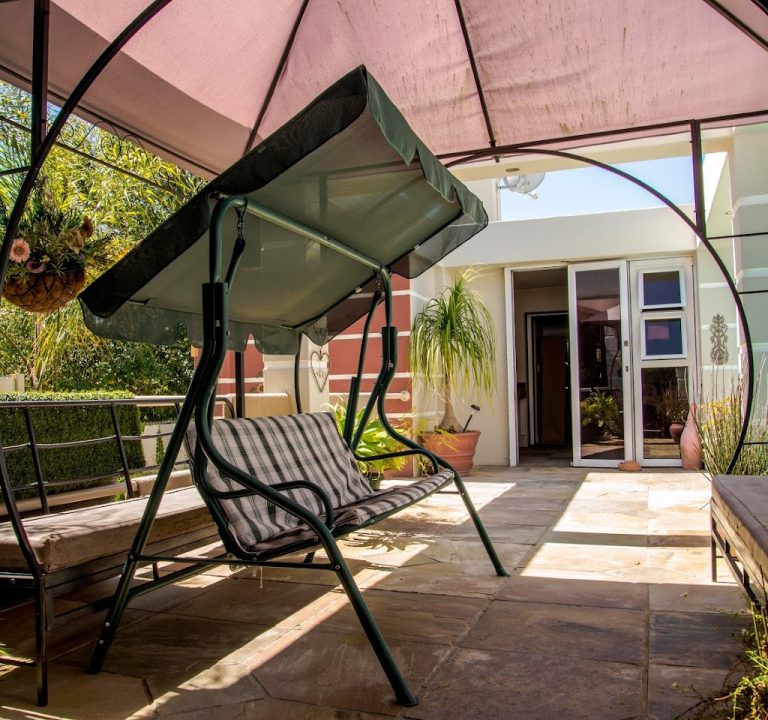
- Views and outdoor spaces: South Africa’s climate rewards outdoor living; a balcony, terrace or garden can enhance your stay, particularly during balmy evenings after a day of sightseeing.
- Safety and accessibility: verify lighting, security measures, and accessible routes if needed. Cape Town’s hills and coast can mean uneven streets in older districts, so clarity about access is useful.
Typical amenities you might encounter include a comfortable bed with quality linens, secure storage for belongings, a well‑equipped bathroom, reliable Wi‑Fi, and perhaps a small seating area. Many guest houses in Cape Town offer a generous breakfast, ranging from continental options to cooked dishes inspired by local produce. For guests who value privacy, self‑catering suites or apartments provide flexibility for lighter meals or personal timing, while traditional guest houses excel in social spaces where travellers swap tips and recommendations.
Best time to visit Cape Town depends on your priorities. Late spring (October to December) brings mild weather and blooming landscapes, while autumn offers comfortable temperatures for city tours and coastal walks. Summer (December to February) is lively with longer days and beach‑going, but peak crowds and higher prices are common. Winter (June to August) brings cooler, wetter weather—perfect for wine country trips and cultural museums when you want fewer crowds. Pack layers for changeable conditions and plan outdoor activities for the drier, sunnier spells.
Planning practicalities help you make the most of your stay. Book ahead for popular attractions or day trips—such as scenic drives along the Atlantic coast, a full‑day township or nature reserve excursion, or a guided ascent of Table Mountain when weather permits. If you intend to dine out frequently, consider a stay near a mix of casual eateries and more refined restaurants so you can tailor evenings to how you feel each day. Cape Town’s restaurant scene emphasises fresh seafood, seasonal produce and global flavours, often with strong local influences; many venues offer casual meals and tasting menus, with spaces to suit families, couples or solo travellers.
Practical tips for a smooth visit:
- Book accommodation with clear cancellation terms and a flexible approach if plans change, especially in peak seasons or for weather‑dependent activities.
- Check the neighbourhood character to match your pace; a bustling area is great for nightlife, while a quieter district is ideal for relaxing mornings and easy evenings.
- Plan a balanced itinerary that includes natural beauty, cultural experiences and time to simply enjoy a café, market or harbour walk.
- Utilise official tourism resources and reputable travel guides to identify safe, near‑by activities and to understand local etiquette and travel norms.
For inspiration and planning, you can explore official Cape Town tourism sites to map out routes, pick routes along the peninsula, and identify friendly eateries and attractions that suit your interests. With its tapestry of coastal landscapes, iconic viewpoints and a vibrant food scene, Cape Town remains a destination where well‑chosen accommodation and thoughtful planning turn a visit into a memorable experience.