Explore Cape Town: Accommodation and Experiences for a Memorable Stay
Cape Town presents a diverse tapestry of accommodation styles, from charming guest houses and boutique hotels to serviced apartments and lodges perched on the Peninsula’s dramatic coastline. When planning a stay, think about what matters most: proximity to the neighbourhoods you wish to explore, amenities that suit your pace, and access to reliable transport for venturing beyond the city’s iconic landmarks. A stay centred around reputable areas with easy access to the harbour, Table Mountain, and the Atlantic coast can maximise your time and minimise travel hassle.
Neighbourhoods to consider include the city bowl for walkable access to restaurants, galleries and nightlife; the Atlantic Seaboard for beach views and upscale dining; Camps Bay and Clifton for dramatic scenery and sunset walks; and the Constantia Valley for vineyard escapes and a quieter atmosphere. For a more residential feel with quick access to the mountains and Table Mountain Cableway, neighbourhoods near Tamboerskloof or Gardens can be convenient. If you’re seeking a truly local flavour, a guest house or serviced apartment in a quieter corner of Green Point or De Waterkant can offer a central base with slower mornings and easy strolls to cafés and markets.
When booking, look for properties that clearly outline what you’ll get in terms of room size, private or shared facilities, and housekeeping arrangements. For serviced apartments and guest houses, the value often lies in thoughtful touches: a well-equipped kitchenette or kitchen corner, a comfortable lounge area, ample storage, good heating or cooling, and reliable Wi‑Fi. Check whether the property offers secure parking, a daily housekeeping schedule, and flexible check-in options. A helpful host or manager who can offer personalised recommendations for local routes, markets, and day trips can transform a stay from pleasant to memorable.
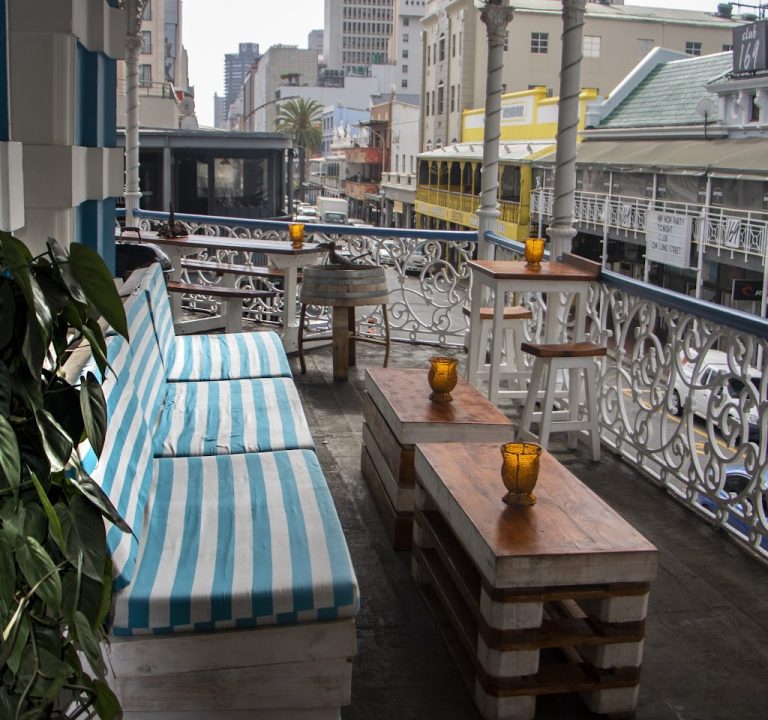
Typical amenities to expect include private en-suite bathrooms, quality bedding, access to a communal kitchen or dining area, and a communal lounge or verandah with views. Some properties provide swimming pools, balconies or courtyards, and outdoor seating areas—especially appealing in Cape Town’s temperate climate. Useful extras include self‑check‑in options, laundry facilities, and in-unit essentials such as irons, hairdryers, and coffee/tea provisions. If you’re travelling with family or a group, look for interconnecting rooms or larger suites, and confirm that there are suitable safety features if you’re staying with children.
Transport in Cape Town is flexible but requires some planning. If you’ll rely on sightseeing stops, a stay near MyCiTi bus routes or within easy reach of the city centre can cut transit times. For broader exploration—like scenic drives along the Atlantic coast, Cape Point, or the Constantia wine route—consider renting a car or arranging a private transfer. If you prefer not to self-drive, many guest houses and short‑stay apartments offer shuttle services or can arrange trusted local guides. Walking is fantastic in the city bowl and along the V&A Waterfront, while the mountain’s lower cableway or guided hikes are best accessed with a vehicle or organised tour to start from central locations.
The best time to visit Cape Town depends on your priorities. Summer (roughly December to February) brings long days, beach weather, and outdoor dining, but it is also the peak tourist season, so expect busier streets and higher rates. Autumn (March to May) and spring (September to November) offer mild temperatures and good visibility for outdoor activities like hiking, coastal walks, and wine country visits. Winter (June to August) brings cooler weather and the possibility of rain, yet it can be ideal for fewer crowds and dramatic sea landscapes. When planning dates, keep in mind public holidays and major events, which can affect availability and prices in popular districts.
Dining and drinking in Cape Town run the full gamut from informal cafés to refined dining rooms, with many establishments showcasing South Africa’s diverse culinary influences. In the broader area, you’ll find markets, seafood shacks along the harbour, and contemporary eateries that prioritise seasonal produce. If you enjoy a wine‑driven day trip, a visit to the Constantia or Stellenbosch regions offers scenic drives, cellar doors, and tapas-style tasting options. While I won’t name specific venues here, expect encounters with light, flavourful seafood, meadow‑fresh salads, and dishes that celebrate local ingredients.
Practical tips to help you plan a smooth stay:
- Book with flexible policies when possible, especially if travel dates may shift.
- Request a map or a local guide note from your host highlighting hidden cafés, parks, viewpoints, and markets.
- Pack a small, versatile wardrobe for warm days and cooler evenings on the coast and at higher elevations.
- Check for near-by grocery options and whether the property provides a basic kitchenette for self-catering.
- Respect safety guidelines and keep valuables secure, especially in busy tourist areas.
One option to consider for a stay with a refined yet homely feel is Tuynhuys Luxury Serviced Apartments, a guest house-style offering that provides a comfortable base from which to explore Cape Town. While choices vary, many guests value properties that balance space, privacy and helpful on‑the‑ground advice about top beaches, viewpoints, and day trips. A well-chosen base—paired with moderate planning for transport and dining—can help you enjoy both the city’s bustle and its quieter seaside corners, ensuring your Cape Town visit is as enriching as it is relaxing.