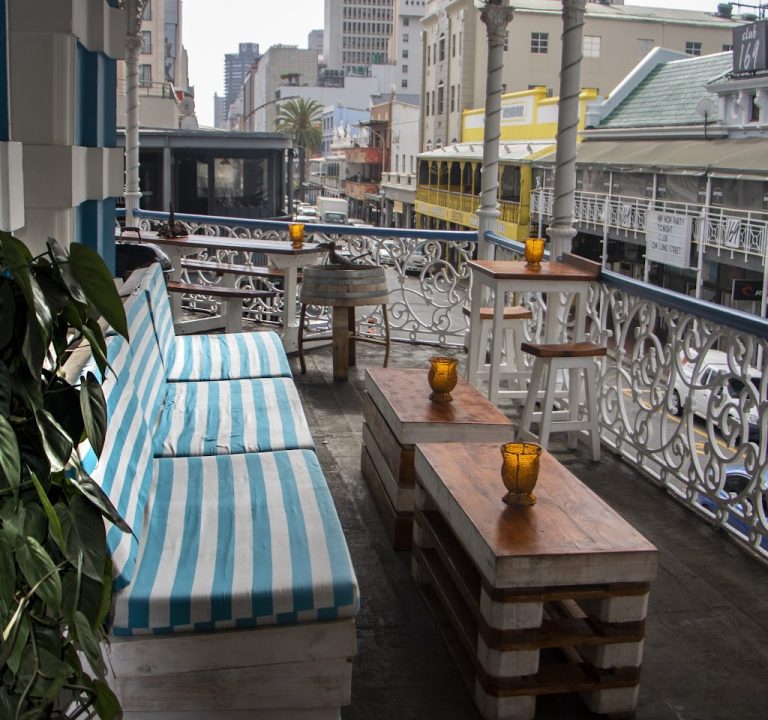
Accommodation and Experiences in Cape Town, Western Cape
Cape Town offers a diverse choice of stays for every traveller, from boutique guesthouses perched on the slopes of Table Mountain to contemporary apartments with ocean views. When planning a visit, think about the experience you want as much as the price: proximity to beaches, easy access to the city’s major sights, or a quieter neighbourhood that still keeps you connected to urban life. For group or student travellers, there are practical options that balance shared spaces with private rooms, enabling sociable stays without compromising comfort.
Areas to consider when choosing where to stay:
- The Atlantic Seaboard, including areas near Camps Bay and the fashionable areas along the coastline, for dramatic sea views and quick beach access.
- The City Centre and the adjacent City Bowl, ideal for walkers who want to be within easy reach of galleries, markets, historic architecture, and a broad range of dining options.
- Vibrant neighbourhoods closer to the university or educational districts, suitable for groups seeking budget-friendly rooms and easy transport to campuses.
- The Southern Suburbs and Constantia, offering leafy streets, larger properties, and quieter mornings, often with easy routes to winelands and nature trails.
What to look for when booking a stay in Cape Town:
- Amenities that match your needs, such as reliable Wi‑Fi, laundry facilities, self-catering kitchens, and convenient parking if you’re exploring by car.
- Security features and well-lit paths, especially if you plan to return after dusk or travel with groups.
- Access to transport connections: proximity to MyCiTi bus stops or metro links, or easy taxi and ride-hailing options for evenings out.
- Flexible cancellation policies and transparent house rules, which can be particularly helpful for group or student trips with shifting plans.
- Ground-floor rooms or elevator access for guests with mobility considerations, and clear information about stair usage in historic properties.
Typical amenities you may encounter include en-suite bathrooms, comfortable communal spaces, and clear, practical layout for group stays. Many guesthouses and B&Bs offer breakfast locally sourced or continental options, which can save time in busy mornings. Apartments and holiday homes often provide self-catering kitchens, making it easier to manage meals for a larger party. If you are booking for a group, consider properties that combine private bedrooms with common areas such as lounges, dining rooms, or outdoor terraces to foster sociable evenings after busy daytime explorations.
Transport and getting around:
Cape Town’s layout rewards those who plan logistics ahead. If you plan to see a mix of beaches, city sights, and nearby nature reserves, a car can be convenient, though private transfers or ride-hailing services are reliable for short hops. Public transport exists, but in some neighbourhoods its routes are less frequent than in the centre, so plan your day with internal travel time in mind. Many stays offer parking, some include shuttle options, and several provide guidance on the best local routes for safe, efficient travel.
Best time to visit and practical tips:
Cape Town has a Mediterranean climate with dry summers and wet winters. The peak tourism months are often during South Africa’s summer, from December to February, when beaches and outdoor activities are most appealing. If you prefer milder weather and fewer crowds, consider late spring or autumn, when coastal sunsets are spectacular and the city feels more relaxed. Winter can be cooler and windy, but it brings fewer tourists and excellent conditions for hiking in the surrounding hills and winelands.
Practical tips to make the most of your stay:
- Book early if you’re aiming for popular periods or specific neighbourhoods, especially for group stays where availability is more limited.
- Check access to essential services nearby, such as supermarkets, laundries, and medical facilities, which makes long stays smoother.
- Ask about local guidance for safety and best routes to major attractions; many hosts offer customised recommendations based on current conditions.
- Consider including one or two private days in the itinerary for rest or flexible exploring, which helps balance busy schedules with downtime.
- Look for listings that clearly state what’s included in the rate, such as daily cleaning, kitchen access, or laundry facilities, to avoid surprises.
Attractions and experiences in general terms:
Cape Town’s offerings range from iconic natural landscapes to artistic neighbourhoods. Natural landmarks and scenic viewpoints reward careful planning, and the city’s coastal parks and trails provide ample opportunities for outdoor adventures. Cultural hubs feature historic architecture, markets, and a thriving dining scene that emphasises fresh, locally sourced ingredients. While staying, you can expect a mix of experiences that suit diverse tastes, from relaxed waterfront strolls to educational tours about the local biodiversity, geology, and history. Dining options span casual cafés to refined eateries, with many venues showcasing modern South African cuisine alongside international influences. For day trips, consider visits to nearby wine routes, nature reserves, and coastal towns to extend your Cape Town experience beyond the city limits.
For further planning, consult reputable tourism sites for Cape Town and the Western Cape, which offer practical guidance on accommodation types, transport, and seasonal highlights. A well-rounded stay combines comfortable accommodation with thoughtfully chosen activities, ensuring you depart with lasting memories of Cape Town’s landscapes, hospitality, and cultural flavour.