Accommodating Cape Town: where to stay and how to make the most of your visit
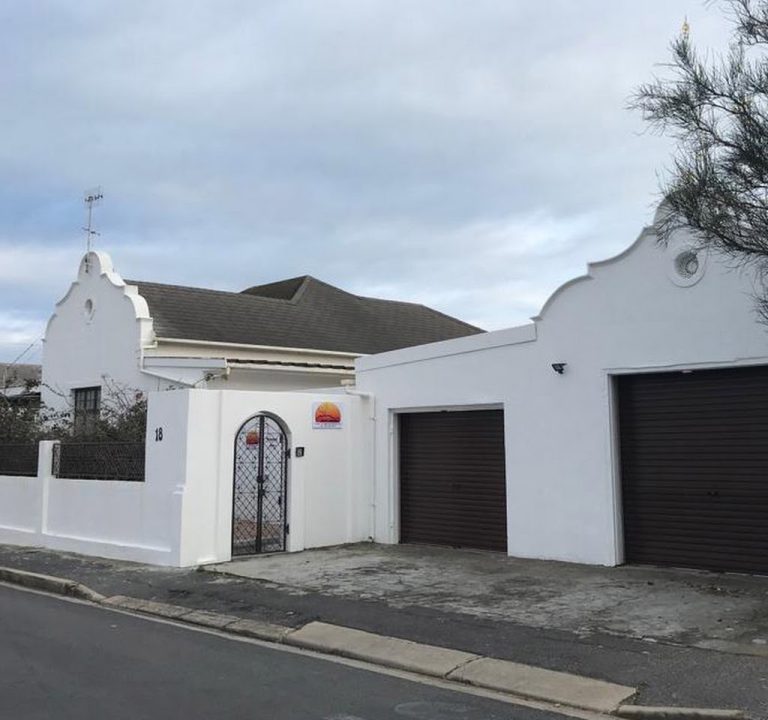
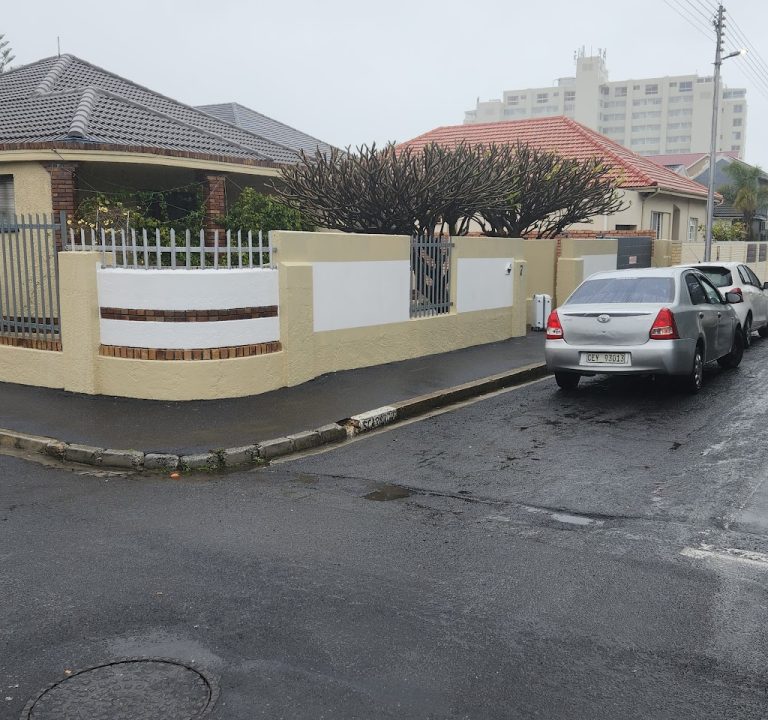
Cape Town presents a vibrant mix of guest houses, B&Bs, lodges and boutique hotels, each with its own character and convenient access to the city’s natural wonders. When planning a stay in Western Cape’s iconic harbour city, consider the neighbourhoods that best fit your rhythm—whether you want easy access to the beaches, dramatic mountain views, or a lively urban scene with dining and cultural experiences close at hand. A well-chosen base can save time, reduce transport costs, and put you in the heart of the attractions that make Cape Town memorable.
Areas to consider for a comfortable and convenient stay
City Centre and the City Bowl offer a compact, walkable mix of historic architecture, markets, and tram and taxi options. This is ideal if you want quick access to business amenities, museums, and a broad range of restaurants. The Atlantic Seaboard, stretching along the coast from Green Point to Bloubergstrand, is known for panoramic sea views, stylish guest houses and close proximity to beaches, waterfront strolls, and trendy eateries. Constantia and the Southern Suburbs provide a quieter, leafy environment with easy access to wine estates and nature trails, perfect for couples and travellers seeking a slower pace. For dramatic scenery and direct access to Table Mountain, many visitors choose lodging in Hout Bay or Camps Bay, then pair it with short drives to the city centre for day trips. Consider your priorities—beaches, hillside views, proximity to markets, or easy transport links—to pick a base that minimises unnecessary travel time.
What to look for when booking
- Location and access: Proximity to MyCiTi routes, train stations or major bus corridors can simplify getting around without a car.
- Room type and privacy: Some guest houses offer en-suite rooms, private balconies, or shared lounges; check the layout if you value quiet and privacy.
- Breakfast and dining options: Decide whether you want a cooked breakfast, self-catering facilities, or nearby cafés and restaurants within easy reach.
- Amenities: Free Wi‑Fi, secure parking, laundry facilities, and access to a communal kitchen or outdoor spaces can be important for longer stays.
- Facilities for business or leisure: Workspaces, flexible check-in times, or late check-out can be helpful depending on your itinerary.
- Reviews and host interaction: Look for recent guest feedback about cleanliness, responsiveness, and how well hosts anticipate guest needs.
- Safety and accessibility: Well-lit streets, secure entry, and clear information about local safety tips contribute to a comfortable stay.
Typical amenities you might encounter
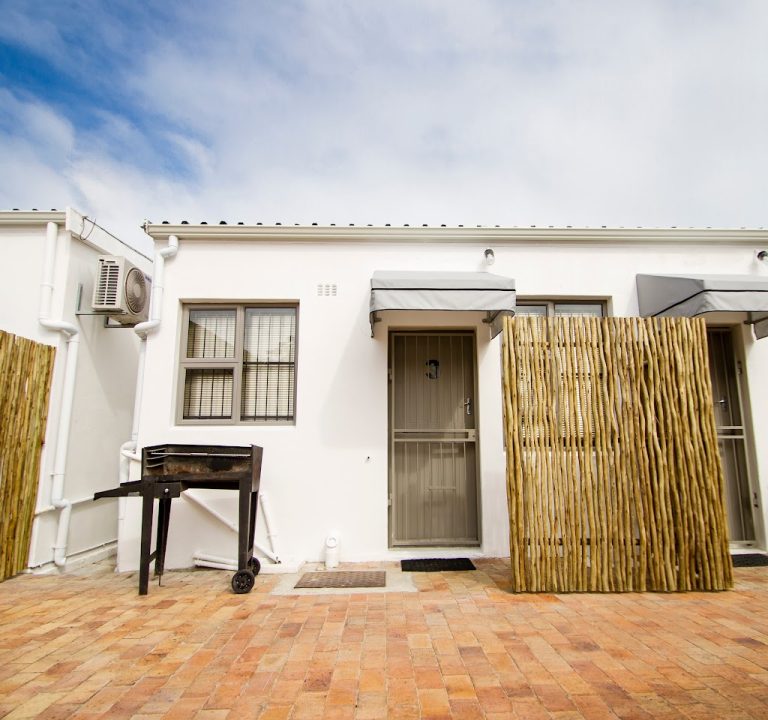
Guest houses and boutique lodges often offer a mix of en-suite bedrooms, daily housekeeping, and generous communal spaces. Many properties provide secure parking, free Wi‑Fi, and breakfast options, with some extending to home-cooked dinners or guest lounge areas. Expect thoughtful touches such as in-room refreshments, tea and coffee facilities, and local information guides. If you plan longer stays, self-catering kitchens, laundry facilities, and luggage storage can make a big difference to comfort and flexibility.
Transport, getting around and practical planning tips
Cape Town’s geography makes public transport useful but not always the fastest option for every route. The MyCiTi bus network is a reliable way to cover the longer city distances, while taxis and ride‑hailing services provide door-to-door convenience. If you intend to explore the Cape Peninsula or the Winelands, a rental car offers the greatest flexibility, though parking can be limited in busy parts of the city centre. Ask your host or accommodation for guidance on safe parking, local taxi options, and the best routes to popular sights to maximise your days.
Best time to visit and what to pack
Cape Town enjoys a temperate climate with a dry summer and a wetter winter. The peak travel months are typically October to April, when skies are bright and scenery at its most dramatic, though the city is worth visiting year‑round. Spring (September and October) brings wildflowers and pleasant walking weather, while autumn (April and May) offers cooler evenings and fewer crowds. Pack layers for changing coastal breezes, comfortable walking shoes for uneven streets and beaches, sun protection for outdoor activities, and a light waterproof layer for the Cape’s famous afternoon showers.
Nearby attractions and experiences to consider during your stay
Capital city tours often begin with a cable-car ascent for sweeping panoramas of Table Mountain, followed by a stroll through vibrant markets, museums, and historic neighbourhoods. The nearby Cape Peninsula provides dramatic coastal drives and nature reserves, offering opportunities for scenic walks and wildlife spotting. A day trip to the Winelands region can be an enjoyable extension, with hillside estates, cellar doors, and gourmet dining experiences. Cape Town also offers acclaimed dining scenes, with an emphasis on fresh seafood, locally produced ingredients, and multicultural influences. While specific restaurant names and prices can vary, you’ll find a range of casual cafés, trendy bistros, and fine dining options within easy reach of most guest houses and hotels.
Practical tips for a comfortable stay in Cape Town
Book in advance for peak seasons and major events, but allow some flexibility for last‑minute changes in weather or plans. Communicate any special requirements to your host ahead of arrival, such as dietary preferences or accessibility needs. When touring, pace your days to balance outdoor activities with rest, and consider starting outdoor plans early to avoid the strongest sun or afternoon winds. For a more relaxed itinerary, choose a single base with day trips that suit your interests rather than moving accommodation frequently. Finally, choose properties with clear guidance on safety, local tips, and direct access to the type of experiences you value, whether it’s beaches, mountain adventures, markets, or cultural venues. By prioritising comfort, convenience, and local flavour, your stay in Cape Town can be both restorative and inspiring.