Accommodation and Experiences in Cape Town: Planning a Memorable Stay
Cape Town blends dramatic scenery with a diverse hospitality scene, from cosy coastal cottages to stylish boutique hotels and comfortable guesthouses. When planning a visit, think about what kind of experience you want as well as how you’ll move around the city’s varied neighbourhoods. The right base can frame your days—from sunrise ascents up iconic landmarks to relaxed dinners with harbour views.
Value lies in choosing a area that suits your plans. The City Bowl offers convenient access to urban attractions, museums and dining, while the Atlantic Seaboard and Camps Bay provide dramatic coastlines, strollable promenades and easy access to beaches. Constantia and Kirstenbosch are ideal for wine-tasting and leafy walks, while Green Point and V&A Waterfront put you close to modern conveniences and waterfront life. If you prefer a quieter residential feel with quick routes to the Peninsular highlights, consider a cottage or guesthouse tucked into neighbourhood streets or cliff-top paths.
When selecting accommodation, look for a few practical amenities that make or break a stay. Self-catering options can save money during longer breaks, while trusted housekeeping services provide convenience. Consider properties with reliable Wi-Fi, secure parking if you’ll be driving, and clear access to public transport routes. A well-equipped kitchen, comfortable beds, good heating or air conditioning, and private outdoor spaces can transform a good stay into a great one. If you value social opportunities, a guesthouse with communal spaces or a small café on site can offer a friendly introduction to Cape Town’s hospitality culture.
Cape Town’s climate is diverse, so timing your visit matters. Spring (September to November) brings fresh colours and blooming gardens, while autumn (February to April) is often sunny with fewer crowds. Winter (June to August) can be mild but occasionally wet, and summer (December to February) tends to be busy with school holidays and outdoor events. Shoulder seasons are popular for better value and fewer queues at popular sights. Pack layers for changeable conditions, and always have sunscreen and a hat for sunny days on the coast.
Planning your transport is essential. The city has a growing network of bus services, a rail line along the southern suburbs, and a robust river of rideshare and taxi options. If you’re exploring the Cape Peninsula, a car provides the most flexibility to stop at viewpoints, beaches, and coastal towns along the way. For city days, a mix of walking and short rides can reduce parking concerns and let you soak in street life, markets, and snack stops along the way. When booking accommodation, check whether there is parking on-site or nearby, and whether you’ll have easy access to stairs or lifts if you’re carrying luggage or commuting with children or mobility considerations.
What to expect from typical Cape Town accommodations varies by area and style. A boutique hotel in the City Bowl might offer stylish rooms, personalised service and easy access to galleries and night markets, while a seaside stay along the Atlantic Seaboard could provide panoramic views, balconies and direct beach access. A cottage or guesthouse often emphasises a homely, intimate atmosphere with a kitchen or kitchenette, garden spaces, and local recommendations from hosts. If you’re staying in a guest-focused establishment, bookaways or hosts can help you tailor day trips, passes, or dining reservations to your interests.
Attractions and experiences sit alongside your rest, and you’ll find that planning a sensible mix makes the most of a stay. Iconic sights such as mountainous viewpoints, coastal drives, and historic sites can be balanced with relaxed days at beaches, markets, or wine estates in nearby valleys. Dining in Cape Town ranges from casual seafood shacks with harbour flavours to refined bistros and international kitchens. You’ll find opportunities to sample fresh produce, craft beverages, and street foods, with many venues offering seasonal menus and menus that celebrate regional ingredients. To plan your days, check opening times, seasonal highlights, and public transport options, and leave space for spontaneous discoveries along the way.
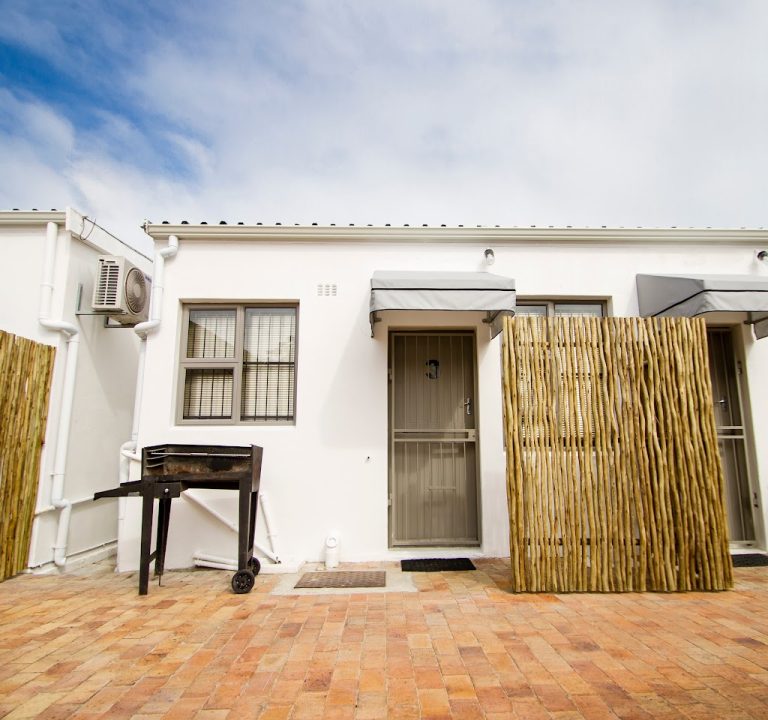
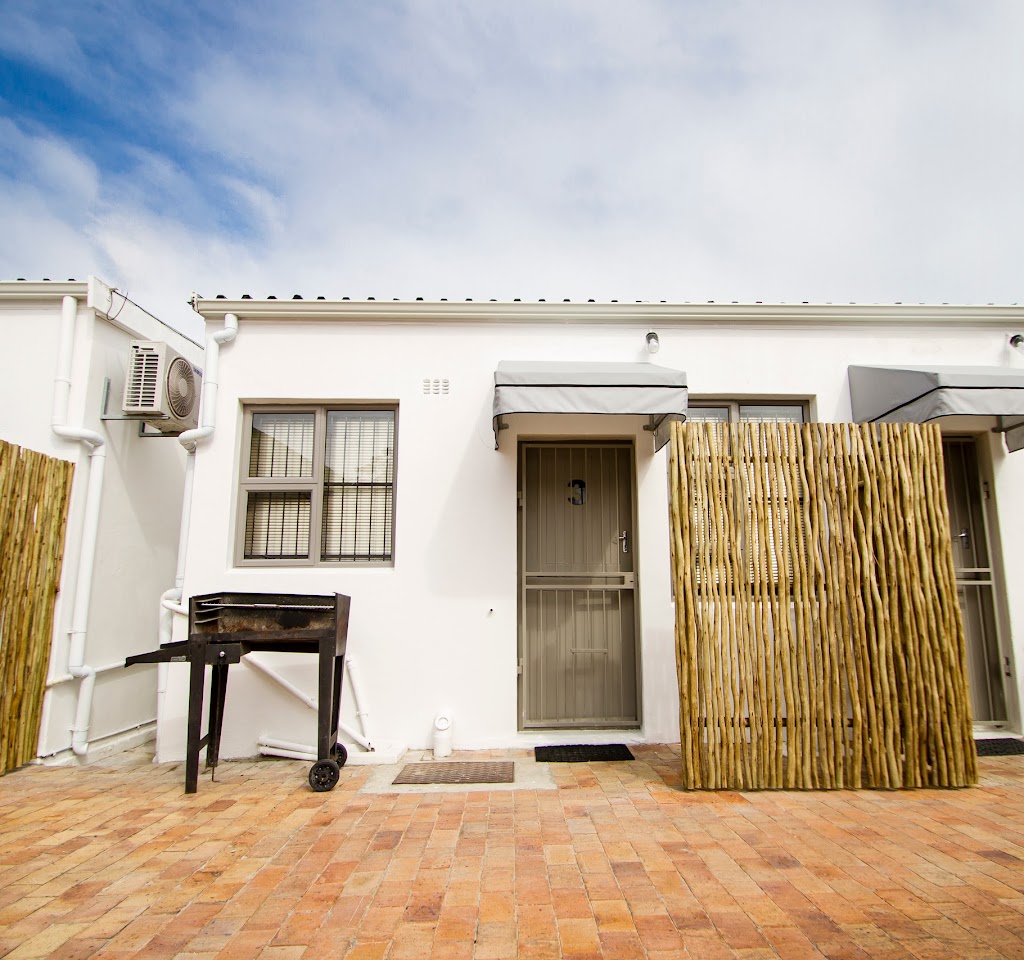
For those seeking specific stays, Ocean Breeze Cottages represent a cottage-style option within the broader Cape Town hospitality landscape. Such properties typically offer self-catering possibilities, comfortable living spaces, and a home-away-from-home atmosphere that suits families or travellers wanting a restful base after busy days of sightseeing.
- Location matters: balance proximity to sights with quiet streets for restful nights.
- Amenities to prioritise: reliable Wi‑Fi, parking, heating/air conditioning, and self-catering facilities.
- Transport considerations: access to MyCiTi or rail networks, and easy routes to the Peninsula and near-tableland attractions.
- Booking tips: read recent guest reviews for insights on safety, noise levels, and host responsiveness.
- Best time to stay: shoulder seasons for value and fewer crowds, typical weather layering for comfort.
To help you plan further, consult official tourism resources for Cape Town and the Western Cape, which provide up-to-date advice on local sights, seasonal events, and practical travel tips. Whether you seek a cosy coastal cottage, a stylish city centre retreat, or a guesthouse with a friendly neighbourhood feel, Cape Town offers a spectrum of stays designed to fit varied itineraries and budgets.
Explore more about where to stay and how to design your Cape Town visit at reputable tourism sites, and consider tailoring your itinerary to include a mix of scenic drives, waterfront dining, and hillside viewpoints to capture the city’s unique character.