Accommodation and Experiences in Cape Town: Where to Stay and What to Do
Cape Town’s appeal lies in its dramatic setting where mountains meet the sea, accompanied by a rich mix of cultures, cuisines and landscapes. When planning a stay, consider which neighbourhoods best suit your pace and interests, from bustling city pockets to serene coastal vistas. Whether you prefer stylish self-catering apartments, intimate guesthouses, or family-friendly hotels, there are options to suit every duration and budget while still placing you within easy reach of iconic sights and hidden gems.
Areas to consider include the City Bowl for compact convenience and dining, the Atlantic Seaboard for sweeping ocean views and easy beach access, and the Constantia Valley for wine-tasting days within a short drive of nature trails. For a more relaxed seaside vibe, the subtler charm of Camps Bay and the calm of Hout Bay are also popular choices. If access to major attractions is a priority, Green Point, De Waterkant and the V&A Waterfront often offer a central base with good transport links and a range of self-catering and guesthouse options.
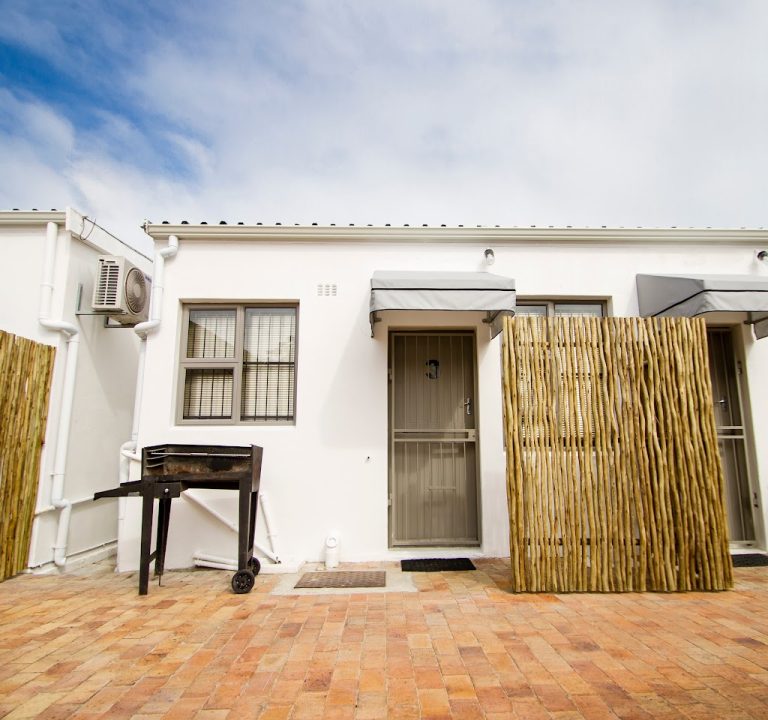
Self-catering accommodation is a practical choice for travellers seeking flexibility, particularly for families or longer stays. From compact studios to larger aparthotels, you can enjoy the comforts of a private kitchen, laundry facilities and living space, combined with the security and amenities of a managed property. Look for features such as reliable wifi, secure parking, on-site laundry, flexible check-in, and clear house rules. When staying in areas closer to the water, privacy and noise control become more important, so read guest reviews focusing on these aspects.
Booking wisely can enhance your time in Cape Town. Consider the following factors when you compare options:
- Access to transport: In a city where distances can be deceptive, proximity to MyCiTi bus routes, major roads, or a reliable car hire service can save time. Some areas offer easier pedestrian access to cafés, markets and beaches, while others are better suited to a vehicle-based itinerary.
- Amenities and kitchen facilities: For self-catering stays, confirm the kitchen equipment, pantry storage, and dishware. A comfortable lounge, adequate heating or cooling, and easy access to a balcony or outdoor area can significantly improve your stay.
- Safety and neighbourhood character: Read guest reviews for insights on safety, street noise, and the general vibe of the area at different times of day. Some travellers prefer quiet residential streets, while others enjoy the buzzy hubbub of close-knit neighbourhoods with restaurants and markets nearby.
- Transit connections to sights: Consider how you will spend days visiting Table Mountain, Robben Island, the Cape Winelands, and the Cape Peninsula. Properties with quick access to specific routes or ferries can streamline your plans.
- Proximity to dining and culture: Cape Town’s dining scene ranges from casual delis to refined eateries. A location near vibrant neighbourhoods often means easy access to a range of culinary options without long evening drives.
Classic attractions in and around Cape Town are plentiful. The city itself offers panoramic views from Table Mountain, a scenic cable car ride (weather permitting) and easy access to the V&A Waterfront for shopping and harbour views. The historic Robben Island and the bustling markets around the city provide cultural contrasts that enrich any stay. For nature lovers, the nearby Cape Point and the Cape of Good Hope reserve offers dramatic coastal scenery, while Kirstenbosch National Botanical Garden showcases South Africa’s indigenous flora in a lush setting. A short drive away, the Constantia valley invites wine lovers to enjoy a few hours among historic estates and verdant vineyards.
Beyond the iconic sights, there are numerous day trips and experiences to consider. The Cape Peninsula drive remains a highlight, offering spectacular viewpoints, winding coastal roads, and opportunities to see penguins at Boulders Beach in season. A visit to the winelands at Constantia, Stellenbosch or Franschhoek provides a refined counterpoint to city life, with wine tastings and seasonal fare in tranquil settings. Family-friendly activities, markets, and creative workshops offer gentle ways to engage with local culture without straying far from your base.
When it comes to dining, Cape Town’s restaurant scene spans markets, casual eateries, and fine dining. Expect seafood-rich menus, farm-to-table produce, and influences from across the country and the continent. Booking ahead is sensible in peak seasons, and many establishments publish sample menus and opening hours on their websites. If you prefer a light, casual option after a day of exploring, you’ll find lounges and bistros that suit a relaxed pace as well.
Best time to visit Cape Town depends on weather and crowd levels. The city enjoys a Mediterranean climate, with warm, dry summers and cooler, moister winters. The period from October to April typically offers the best beach-going weather, longer daylight hours, and lively outdoor markets. Spring and autumn bring milder temperatures and thinner crowds, often providing excellent conditions for outdoor exploration and photography. If you plan to hike or go to the coast, pack layers and sun protection, as conditions can change quickly in the mountains and along the sea.
Practical tips to help you settle in smoothly:
- Check transport options ahead of time; in many areas, a car makes day trips easier, but you can rely on public transport and rideshares in central districts.
- Budget for flexibility: some attractions operate in seasons or weather windows; have alternative plans in case of wind or rain.
- Stay connected: a local SIM or portable hotspot can be handy for navigation and recommendations on the move.
- Respect local safety guidelines and take standard travel precautions, especially when visiting crowded spots or unfamiliar streets at night.
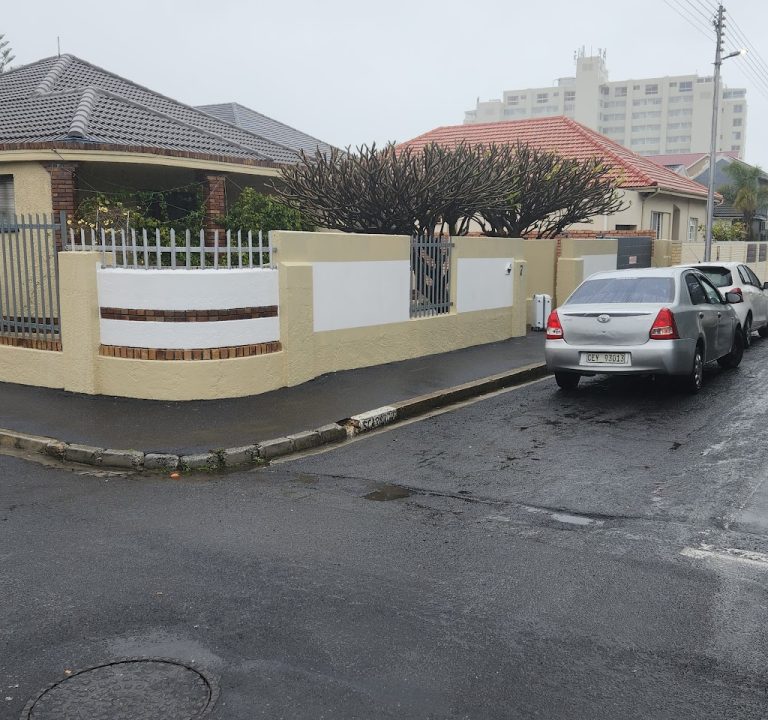
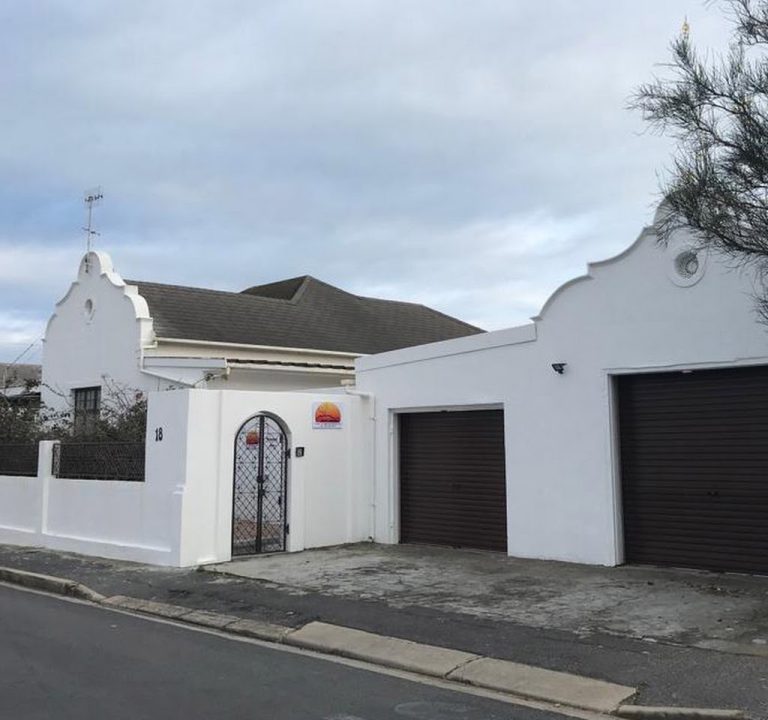
For inspiration and practical planning, explore travel guides and official tourism resources. Websites focused on Cape Town’s tourism provide maps, suggested itineraries, and updates on events and seasonal highlights. If you are considering self-catering options, you may come across properties such as M2T GUEST HOUSE STRAND or similar arrangements that emphasise home comforts within a guest-friendly framework. Always read recent guest reviews and verify cancellation policies before booking. For further information about attractions, transport links and travel tips, you can consult https://www.tourismcapetown.co.za or other reputable travel resources to tailor your stay to your interests and pace.