Cape Town: A Guide to Accommodation, Attractions and Dining
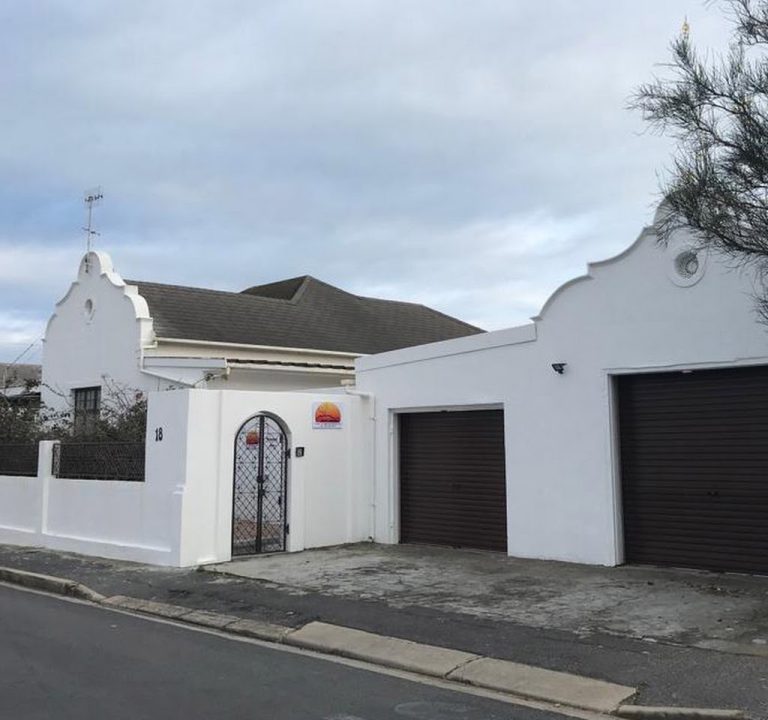
Cape Town blends dramatic scenery with a rich tapestry of neighbourhoods, making it a compelling destination for all types of travellers. When planning a stay, consider areas that suit your preferred pace and access to the city’s highlights. A guest house such as Groenewald Accommodation can offer a comfortable base with a personalised touch, particularly for visitors who value a homely feel and insider tips from local hosts.
City Centre and the neighbouring hilly districts offer easy access to museums, markets, and vibrant street life. Staying in the City Bowl or Tamboerskloof provides convenient proximity to MyCiTi buses, historic sites, and cafés, while still being within reach of the Atlantic Seaboard for sea views and sunset walks. If you prefer wide-open coastal scenery, an area along the Atlantic Seaboard—think Sea Point, Camps Bay, or Clifton—puts you within steps of promenades, beaches, and higher-end dining options. For wine enthusiasts and tranquil escapes, the Constantia valley and nearby wine farms make for relaxed day trips without sacrificing the comfort of a guest house stay.
When choosing accommodation, consider your priorities: proximity to the city’s cultural highlights, ease of transport, or a quieter residential ambiance. Guest houses and B&Bs often excel at personal touches, such as tailor-made recommendations, accessible parking, and flexible breakfast arrangements. Look for hosts who can offer guidance on current safety tips, the best local routes, and seasonal events. If you’re travelling with family or a group, ask about family rooms, self-catering facilities, and privacy features such as separate entrances or en-suite bathrooms.
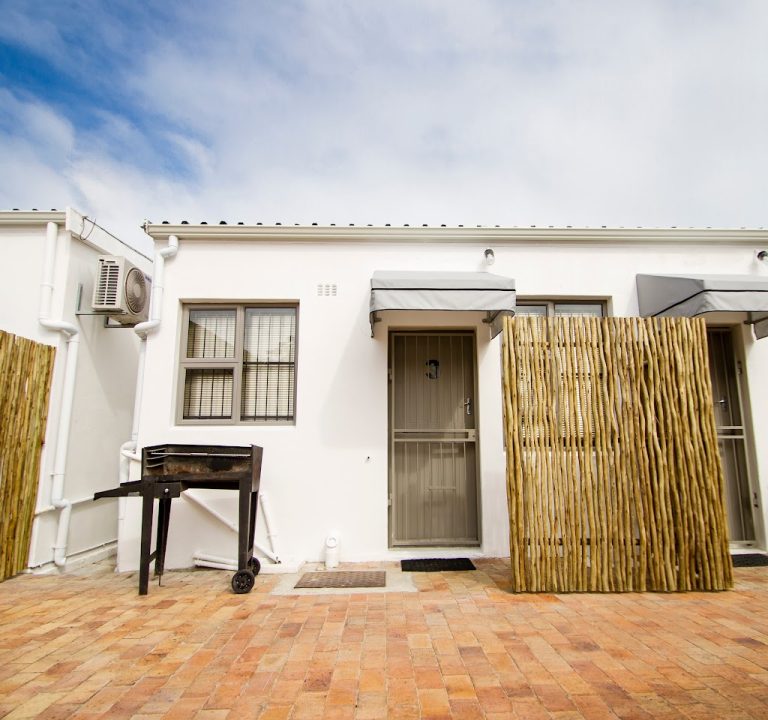
Typical amenities to expect in well-located accommodation include free Wi-Fi, secure parking or easy access to public transport, daily housekeeping or optional cleaning service, and a thoughtful assortment of complimentary essentials. Many guest houses provide uninterrupted access to guest lounges, outdoor terraces, or small gardens, which are particularly pleasant in Cape Town’s mild climate. Kitchen facilities or a shared dining area can be convenient for shorter stays or for guests who prefer to prepare their own meals after a day of exploring. Climate control, quality bedding, and a well-appointed ensuite are always worth confirming in advance, especially if you are visiting during peak tourist months when demand is high.
- Accessibility and parking arrangements, especially if you have a car or plan day trips.
- Public transport access and convenience for peak transit times.
- On-site meals or nearby dining options, including breakfast arrangements.
- Safety measures and neighbourhood context to suit your comfort level.
- Outdoor spaces for sun, fresh air, and views of the city or sea.
Getting around Cape Town is straightforward with a mix of transport options. Many visitors rely on reliable ride-hailing services, while MyCiTi and other bus services offer practical routes between major sights. If you plan to venture to the southern outskirts or the Cape Winelands, a rental car provides flexibility, though it is wise to factor in potential traffic and limited parking in busy areas. For shorter urban excursions, walking and cycling can be enjoyable, especially along tree-lined streets and coastal promenades. Always plan your route in daylight hours when possible and arrange a trusted means of return after evening meals or nightlife.
The best time to visit Cape Town is during the spring and autumn shoulder seasons when the weather is mild and crowds are more manageable. Summer days can be lively, with longer daylight hours perfect for outdoor activities, but popular sites such as Table Mountain and beaches can become busy. Autumn offers a calm atmosphere with blooming gardens and pleasant hiking conditions. Winters are cooler and wetter, yet many attractions remain accessible with cosy indoor options and lower accommodation rates outside peak periods.
Practical tips for a smooth stay include packing layers to suit Cape Town’s microclimates, adopting sun protection habits, and staying vigilant in busy public spaces. If your itinerary includes Table Mountain, plan for a morning or late afternoon ascent to avoid peak heat and queues, and consider cable car times if the weather is unfavourable. When exploring the Victoria & Alfred Waterfront or central markets, keep valuables secure and be mindful of your belongings in crowded areas. Restaurants offer a spectrum from casual harbourside eateries to refined venues; in general, you’ll find fresh seafood, South African barbecue, and farm-to-table dishes showcasing local produce. Booking in advance can help secure a comfortable table, especially during peak seasons or holiday periods.
Beyond lodging, Cape Town’s draw lies in its landscapes and experiences. Scenic drives along the coastline, access to Cape Town’s iconic viewpoints, and easy day trips to nearby coastal towns or wine estates create a well-rounded itinerary. Dining experiences range from simple, well-priced cafés to more immersive tasting journeys that celebrate regional ingredients. With thoughtful planning around your accommodation—whether you opt for a characterful guest house like Groenewald Accommodation or another well-positioned option—you can enjoy a memorable, well-balanced stay that captures the spirit of Cape Town and its surroundings.