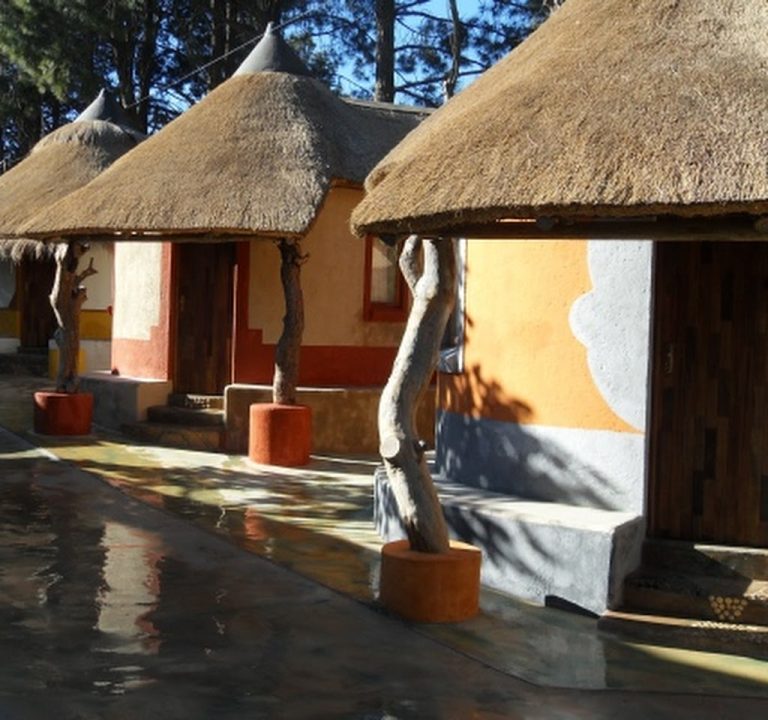
Johannesburg: accommodation options, planning tips and a flavour of the city
Johannesburg, in Gauteng, offers a vibrant mix of neighbourhoods that suit a range of travellers, from business visitors to holidaymakers exploring South Africa’s modern history and culture. When planning a stay, it helps to consider what you want to get from the city: proximity to sights, a lively restaurant scene, quiet rooms after long days, or easy links to other parts of Gauteng. The city’s accommodation ranges from intimate B&Bs and guesthouses to contemporary hotels and larger lodges. A well-situated inn such as Tp Inn can be a convenient option for those seeking straightforward rooms with expected amenities in a central area.
Neighbourhoods to consider include Sandton, which is known for business hotels and modern shopping, and Rosebank, with a compact centre, markets and easy metro-style public transport links. Melville offers a more bohemian vibe with small guesthouses and cafés, while Braamfontein and Maboneng are popular with travellers who enjoy a walkable city fringe, galleries, and street markets. Soweto remains a powerful gateway to South African history and culture, with stays that range from family-run guesthouses to boutique lodges situated near township heritage experiences. When choosing accommodation, look for properties with secure access, staff available around the clock, reliable housekeeping, and clear information about transport options and safety tips for visitors.
Typical amenities to expect include air conditioning or fans for Johannesburg’s warm months, reliable Wi-Fi, an in-room desk or seating area, and en-suite bathrooms in most guesthouses and inns. Breakfast is a common inclusion, sometimes with both continental and hot options, and some places offer dinner or easy access to a selection of nearby eateries. If you are staying in a central district, you may also find compact rooms or suites designed for shorter stays, while lodges or larger guesthouses in other parts of the city can provide more space and a tranquil atmosphere after a busy day.
Transport is a practical consideration in Johannesburg. Many visitors rely on a mix of Uber or rideshare services, metered taxis, and organised airport or hotel shuttles. The Gautrain provides convenient rail connections to Pretoria and other parts of Gauteng, while some areas offer dependable local bus routes or minibus taxis. If you plan to self-drive, check on-site parking availability and security in the surrounding streets. For day trips or longer excursions, choose accommodation with straightforward access to major roads or public transport hubs so you can move efficiently between sights and dining experiences.
Best time to visit Johannesburg tends to be the dry winter months and the late summer season when thunderstorms are more common. The city enjoys sunny days that are ideal for city walks, markets, and outdoor cafés. If you are planning an outdoor itinerary or a visit to nearby natural areas, it pays to check local weather forecasts and to book a room with flexible cancellation terms in case of sudden changes.
When planning activities, consider a mix of experiences that showcase Johannesburg’s modern energy and its historical layers. You can pace your stay with cultural venues, galleries and thought-provoking exhibits, paired with strolls through a traditional market or a local neighbourhood to observe daily life. For meals, the city offers a spectrum from casual bistro-style eateries to more formal restaurants with diverse cuisines. You might also find opportunities to join guided tours or short programmes that explore the city’s architecture, street art, and community initiatives, depending on your interests and availability during your stay.
To make the most of your trip, keep a few practical tips in mind. First, secure accommodation with clear explanations about access, security measures, and nearby medical facilities for peace of mind. Secondly, read guest reviews focusing on cleanliness, noise levels, and the responsiveness of staff rather than only the price. Thirdly, confirm what is included in your booking—breakfast, parking, and access to common areas can significantly influence daily planning. Finally, plan an itinerary that allows for downtime; Johannesburg is a dynamic city and generous too with coffee shops, casual dining, and parks where you can relax between sights.
- Check location relative to your planned activities and transport options
- Verify what the price includes (parking, breakfast, Wi‑Fi)
- Assess noise levels and room size in relation to your needs
- Look for secure on-site parking or easy access to public transport
- Consider a neighbourhood mix: a central base with day trips to cultural or historic sites
Whether you are drawn to modern hotel chains or intimate guesthouses, Johannesburg rewards careful planning and a flexible mindset. With the right accommodation and a thoughtful approach to transport and timings, you can enjoy the city’s dynamic atmosphere, its culinary variety, and experiences that illuminate South Africa’s past and its contemporary creative energy. Websites for booking can provide full details on room types, amenities, and local tips, helping you tailor your stay to your interests and budget.