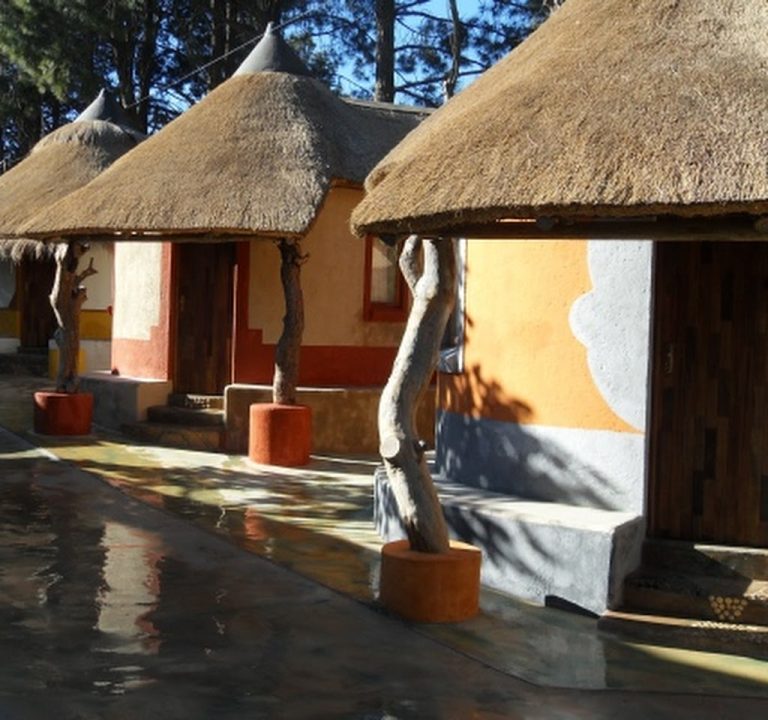
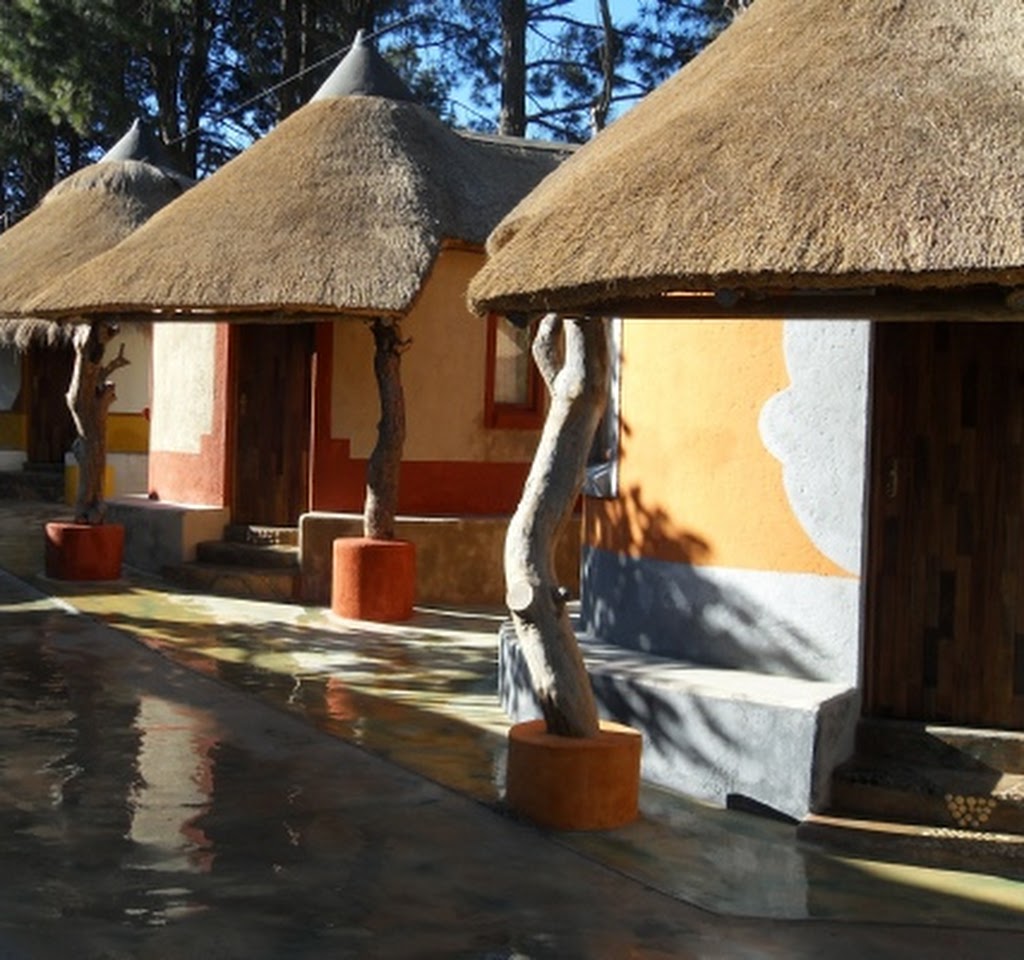
Discovering Johannesburg: where to stay and what to do
Johannesburg is a vast, vibrant gateway to Gauteng, offering a mix of stylish guest houses, contemporary hotels and comfortable B&Bs that suit a range of budgets and travel styles. When planning a stay, it helps to think in terms of neighbourhoods and the kind of experience you want: a polished business stay in a leafy suburb, a design-led boutique break in the city centre, or a friendly guest house near markets and eateries. The Orchards Executive Accommodation is an example of a guest house option that blends homely comforts with easy access to central Johannesburg, making it a convenient base for exploring the city and its surrounds.
Neighbourhoods you might consider include Sandton, Rosebank and Melville for easy transport links and a range of dining and shopping options; Braamfontein and Maboneng on the city’s inner edge for a hip, walkable vibe with cafes, galleries and lively street life; and The Orchards or Randburg for quieter streets, reputable guest houses and good value. If you prefer a modern hotel experience with business facilities, you’ll find several properties clustered near key transport hubs and the Gautrain routes, making day trips to nearby attractions straightforward.
When booking, look for a few practical features that will shape your stay. A guest house or hotel with secure parking or easy access to rideshare options can be a real help in Johannesburg, where traffic and precincts vary by time of day. Free Wi‑Fi, comfortable bedding, air conditioning, a well-equipped kitchenette or tea/coffee facilities, and a modest in-house dining option often make a big difference to comfort. A responsive front desk, clear checkout times and straightforward cancellation policies give peace of mind when plans change. If you’re staying in a residential area, ask about the best entrances, quiet hours and local recommendations from staff to maximise your visit without disrupting neighbours.
Typical amenities across well-placed Johannesburg properties include a private or shared lounge, daily housekeeping, secure access, and parking on site or nearby. Some guest houses offer a small pool, garden seating or shaded courtyards ideal for evening relaxation after a day of sightseeing. In terms of transport, a mix of Uber, Bolt, conventional taxis and Gautrain connections provides flexibility to reach the city centre, northern suburbs or the Magaliesberg day trips. If you plan to venture further afield, inquire about easy access to the Gautrain station or reliable shuttle services offered by your accommodation.
Best time to visit Johannesburg depends on your priorities. The city enjoys a mild winter with cool mornings and warm days between May and August, which is excellent for outdoor markets, museum visits and fine dining without the heavier crowds of peak summer. Summer (roughly November to March) brings afternoon thunderstorms and lush green landscapes around parks and botanical areas, balanced by a lively dining and arts scene. If you’re keen on outdoor safaris in nearby regions, plan a few day trips to the wider Gauteng or North West Province countryside when weather permits.
Accommodation in Johannesburg can be found in a range of styles and price brackets. For a more intimate, homely experience, guest houses and B&Bs can offer personalised service and local insights, often with a shared or continental breakfast that sets you up for the day. Boutique stays in urban precincts frequently highlight thoughtful interior design, convenient walkability to cafés and galleries, and a relaxed, makes-you-feel-at-home atmosphere. If you prefer a hotel, you’ll likely enjoy contemporary rooms, a restaurant on-site, meeting spaces and a central location that simplifies logistics for business or short leisure breaks. Regardless of type, it’s worth verifying the duration and accessibility of breakfast, any additional charges for parking or services, and whether the property can tailor recommendations for local markets, live music venues, and family-friendly activities.
In terms of activities, Johannesburg’s offerings span cultural institutions, markets, foodie experiences and outdoor parks. You might plan visits to large museums documenting South Africa’s history and heritage, strolls through art districts, and neighbourhood markets where you can sample regional produce and crafts. For dining, you’ll find a spectrum from casual cafés serving freshly baked pastries to more sophisticated restaurants focusing on contemporary cuisine. When deciding on what to do, balance indoor cultural experiences with time outdoors—city strolls through tree-lined streets, parkland spaces and viewpoints often reveal the city’s dynamic character and skyline views.
Practical tips to make the most of your stay:
- Check public transport links and proximity to a Gautrain station or major arterial roads to plan day trips efficiently.
- Ask about recommended safe routes for walking at night and preferred taxis or rideshares in the neighbourhood you’re visiting.
- Prepare for variable weather by packing layers; evenings can be cooler and sudden showers are not uncommon in certain seasons.
- Protect valuables and carry essential documents in a secure, easily accessible place while sightseeing.
- Plan a mix of indoor cultural experiences and outdoor explorations to experience the city’s diversity.
For more inspiration and practical planning, you can explore official tourism resources and city guides online. These sources provide up-to-date information on neighbourhood highlights, contemporary dining, and accessible activities that suit a range of interests and travel rhythms. When you book, consider contacting the accommodation directly through its website to confirm the most current rates, available dates and any specific local tips they may offer for a visitor’s customised itinerary.