Johannesburg: accommodation, neighbourhoods and practical tips for a well-planned stay
Johannesburg, South Africa’s dynamic economic hub and cultural gateway to the Witwatersrand, offers a diverse range of places to stay, from intimate guest houses to stylish boutique hotels. Whether you are visiting for business, history, or a weekend of exploring city life, planning ahead helps you secure a comfortable base that suits your itinerary and budget. The city’s accommodation landscape often concentrates in key districts with easy access to transport routes, dining, and attractions, making it worth prioritising areas that align with your interests.
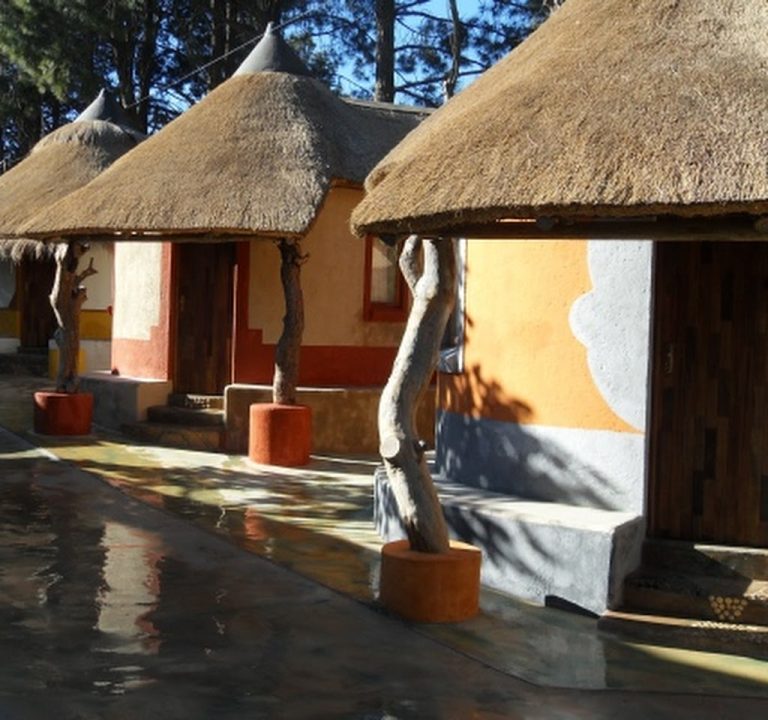
When choosing where to stay, consider the vibe you want and how you will move around. Sandton and Rosebank are popular for business travellers and shoppers, offering modern hotels, serviced apartments, and well-connected transport links. Braamfontein and Braampark, near central Johannesburg, appeal to those who enjoy a lively, walkable urban scene with easy access to museums, theatres and a growing cafe culture. Maboneng Precinct is ideal for travellers seeking creative energy, small artsy guest houses, and a compact, walkable itinerary. For a deeper cultural experience and affordable stays, areas around Soweto provide a different perspective on the city’s history and daily life, with guest houses and family-run lodges that emphasise hospitality and community feel.
Typical amenities to look for include reliable Wi‑Fi, secure parking or easy parking access, a generous breakfast or self‑c catering options, and good concierge or reception services. If you plan to travel beyond the city, check whether your accommodation can arrange transport or can recommend reputable local operators. Accessibility features, airport transfers, and proximity to major transport hubs (such as the Gautrain link or convenient bus routes) are practical considerations that save time and reduce stress during your stay.
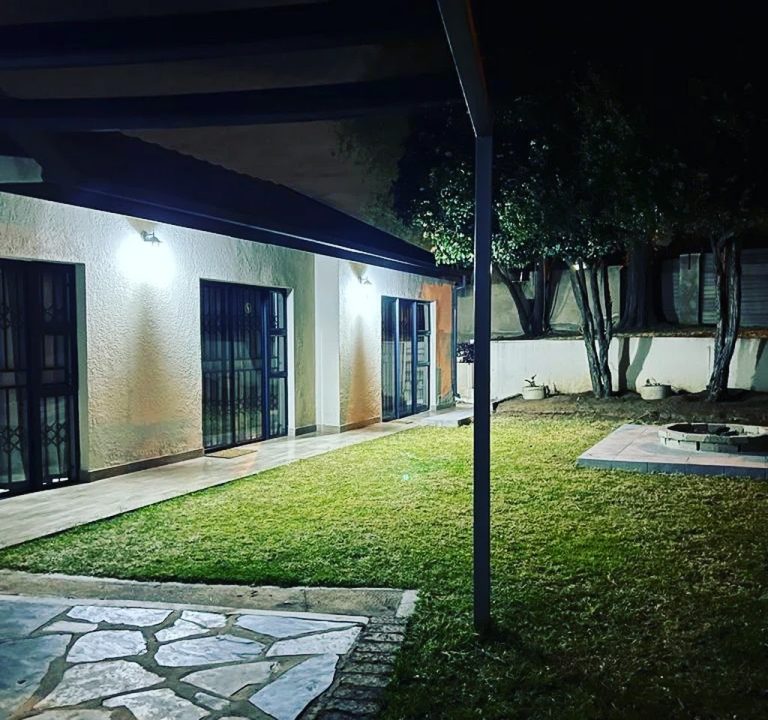
Phomolong B&B, a guest house option in Johannesburg, can serve as a useful reference point for what some travellers seek: personal touches, cosy rooms, and a sense of home away from home. When evaluating a stay, ask about: room sizes, en-suite facilities, laundry services, and whether the price includes breakfast or access to communal areas such as a terrace or garden. For guests with dietary preferences or particular needs, it helps to confirm flexibility in meal plans and staff recommendations around nearby eateries.
Transport is a primary driver of convenience. Johannesburg’s roads can be busy, and traffic patterns change with time of day. If you prefer not to drive, staying near a rail or bus corridor, or near a taxi or ride-hailing hub, can be advantageous. The Gautrain and local MyCiTi services offer efficient options for linking to the city centre, Sandton, or attractions outside central Johannesburg. For those who enjoy scenery and casual strolls, choosing accommodation within walkable distance of nightlife, markets, or galleries can be a real win, provided safety is clearly understood and respected for late-evening outings.
The best time to visit Johannesburg tends to be during the southern hemisphere’s spring and autumn, when temperatures are mild and the city feels lively but not overly hot. Rain is possible in the summer months, so a flexible itinerary is sensible if you plan outdoor activities. Booking early for peak travel periods, such as school holidays and major events, can help secure preferred room types, locations, and value-added options like guided tours or combined accommodation and dining packages.
What to do and where to dine is as varied as the city itself. Major attractions typically fall into themes such as history, art and design, and modern city life. In terms of experiences, visitors may choose guided neighbourhood tours that illuminate Johannesburg’s past, a museum or gallery day in central districts, or a stroll through revitalised urban precincts famed for street art, markets, and live music. When it comes to dining, you’ll find everything from casual cafes to refined bistros offering contemporary South African fare. In addition to hotel or guest house recommendations, ask staff for trusted nearby eateries and whether there are special menus for vegetarians or guests with other dietary needs. For those who enjoy markets and street-front dining, keep an eye on local events calendars for weekend markets and food experiences that showcase the city’s flavours and hospitality without committing to a single venue in advance.
- Consider staying in central or inner-city districts for quick access to core attractions and transport links.
- Prioritise safe neighbourhoods and verify security measures at the property, such as 24-hour reception or secure parking.
- Check for inclusive amenities that matter to you, such as breakfast service, self-catering facilities, laundry, and reliable Wi‑Fi.
- Plan day trips or half-day excursions with reliable transfer options or in-house booking assistance from your accommodation.
- Look for guest reviews focused on comfort, cleanliness, and staff hospitality to gauge overall value and experience.
For more general planning resources, official tourism information and city guides can help you build a flexible itinerary. When you book, note the cancellation policy and whether there are seasonal variations in pricing. A well-chosen stay in Johannesburg can be the anchor for a broader itinerary that balances modern city life with historic insights, diverse dining, and warm, people-centred hospitality — all while keeping travel simple and enjoyable. For more inspiration and practical planning tips, see trusted tourism and accommodation sites, or explore a curated selection of guest houses and boutique stays in regions that align with your plans.