Johannesburg: where to stay, what to see, and how to plan a comfortable visit
Johannesburg, or Jo’burg as many locals call it, is a dynamic gateway to Gauteng’s urban heartland. The city combines a cosmopolitan vibe with rich history, vibrant neighbourhoods and a range of accommodation options to suit different itineraries and budgets. When planning a stay, consider the areas you’ll use as bases, how you’ll get around, and the type of experience you want, from sleek city access to more relaxed, residential rhythms.
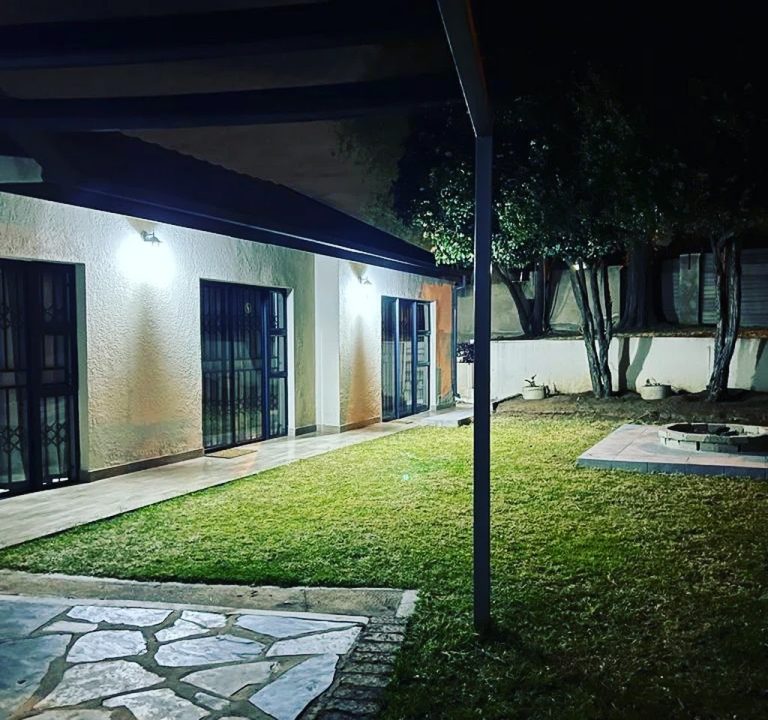
Accommodation in Johannesburg ranges from guest houses and boutique hotels to modern apartments and family-friendly lodges. For a stay that blends personalised service with local character, guest houses can be particularly appealing. Facilities to look for include reliable Wi-Fi, secure on-site parking or easy access to public transport, a generous breakfast offering, and friendly staff who can point you to local sights and eateries. If you are booking a stay at a place like South Serene Guest House, you might value a calm, welcoming atmosphere set in a convenient neighbourhood, with practical access to the city’s core attractions and business districts. Always check recent guest reviews for updates on service quality and any travel advisories.
Neighbourhoods to consider include:
- Rosebank and Parkview: well connected by Gautrain and roads, with easy access to shopping, dining, and museums. A practical base for first-time visitors.
- Sandton and Sandton City area: close to business districts, major transport links, and upscale dining and shopping. Great for shorter, more focused stays.
- Maboneng Precinct and downtown: a creative, energetic hub with galleries, eateries, and street life. Best for travellers who enjoy walking and urban exploration, with careful attention to safety and daytime activities.
- Johannesburg North and northern suburbs: quieter residential stays, often with larger rooms and garden settings, suitable for families or longer breaks.
When booking, clarity about transport options makes a big difference. Johannesburg is a city best planned with daylight travel in mind. If you plan to rely on public transport, verify access to commuter rail or bus services, and confirm whether the accommodation offers a shuttle or easy Uber and taxi links. For drivers, secure parking and well-lit surroundings are worth prioritising. If you prefer a self-contained stay, look for en-suite facilities and a kitchenette so you can prepare simple meals and snacks. A comfortable workspace and good lighting can also enhance longer visits.
Typical amenities to expect include a well-equipped bathroom, a clean and comfortable bed, adequate storage space, and a generous breakfast. In many guest houses, a shared lounge, garden or outdoor seating area provides a pleasant place to unwind after a day’s sightseeing. Practical additions—such as reliable air conditioning or heating, blackout blinds, and a good-quality coffee station—can significantly impact comfort, especially given Johannesburg’s varying climate and energy considerations.
Best time to visit depends on what you want from the city. The climate is generally warm to hot in the summer (November to February) with afternoon thunderstorms possible, while winter (June to August) is cooler and dry. Spring and autumn can offer pleasant temperatures for outdoor activities and city walks. If your visit centres on outdoor or cultural events, keep an eye on the local calendars, as many neighbourhoods host markets, street-food gatherings and art installations at different times of the year.
Eating out in Johannesburg is part of the experience. The city’s dining scene spans traditional South African flavours, contemporary cuisine, and international options. When you’re planning meals, think about the distance from your base to popular dining districts, and whether you prefer casual eateries or more formal gastronomy. Bookings are often helpful, particularly in trendy neighbourhoods, but many venues also welcome walk-ins. It’s worth exploring a neighbourhood with several dining avenues so you can sample a variety of options in one evening.
Attractions and experiences can be enjoyed in a range of formats. Museums and heritage sites provide context about the city’s past and its present-day energy; parks and botanical spaces offer space to roam; and markets or gallery districts can give you a flavour of local life. For a balanced itinerary, mix daytime exploration with relaxed evenings in safe, well-lit areas. Guided walks or organised tours can offer meaningful context to your discoveries, but many visitors also enjoy exploring at their own pace, with flexible timings and plenty of time for spontaneous discoveries.
Practical tips to help you plan a smooth stay:
- Check travel advisories and local safety guidelines for areas you plan to visit, and follow basic-safety precautions, especially if you’re venturing into busy districts after dark.
- Confirm access to the property’s amenities, such as laundry, kitchen facilities, and parking, ahead of arrival.
- Ask hosts or reception teams about seasonal weather patterns and pack appropriately—layers are useful for fluctuating temperatures and indoor air conditioning or heating.
- Plan a rough daily route that clusters sights by geography to minimise backtracking and maximise your time away from heavy peak-hour traffic.
- Utilise official tourism websites and reputable guides for balanced information on attractions and dining venues.
For those seeking a base with character and a friendly touch, consider booking a stay with South Serene Guest House. Its location and services can provide a comfortable foundation from which to explore the city’s varied offerings. To learn more about the guest house and its ethos, you can visit its Instagram page at instagram.com/south_serene.