Johannesburg: accommodation planning and visitor experiences in Gauteng
Johannesburg offers a dynamic mix of neighbourhoods that each have their own character for travellers seeking comfort, convenience and a sense of local life. When planning a stay, consider areas that align with your interests and access needs. For a city with a fast pace and plenty of activity, central districts such as the inner city and nearby business and cultural hubs provide easy access to transport, eateries and entertainment. Suburban pockets around Sandton, Rosebank and Melrose can deliver a calmer pace with stylish guesthouses, boutique hotels and modern lodges ideal for a relaxed stay with more predictable traffic during rush hours.
Accommodation in Johannesburg ranges from intimate bed-and-breakfasts to contemporary boutique hotels and guesthouses in renovated heritage buildings. A typical B&B in the city often includes breakfast as part of the rate, sometimes with self-catering options in the form of shared kitchens or private lounges. Common amenities to look for include reliable Wi‑Fi, a secure parking option, and clear guidance on safety procedures for guests. If your priority is extended stays or a home-from-home feel, seek properties that offer guest-friendly touches such as well-equipped kitchens, ironing facilities, and comfortable common areas where travellers can relax after a day of exploring.
Consider the layout of your chosen area in relation to your planned activities. If you want access to galleries, markets and street life, districts such as the central and inner-city precincts are worth exploring. For luxury shopping, high-end dining and convenient business links, neighbourhoods around Sandton offer integrated hospitality and transport connections. If you’re drawn to vibrant nightlife, culture, and street-level eateries, consider quarters that are known for their walking-friendly streets and easy access to metro or minibus taxi routes.
Transport in Johannesburg is best planned in advance. The city’s public transport network includes rail connections, bus routes and ride-hailing services. The Gautrain offers quick links between Johannesburg and Pretoria, as well as direct access to the airport from several hubs, which can be a time-saver for travellers arriving by air. Local transfers are usually straightforward, but be prepared for fluctuations in traffic, particularly during peak hours and in adverse weather. When booking a stay, ask the host or property manager about nearby transport options and typical journey times to the places you plan to visit. Many guesthouses and smaller hotels can arrange shuttle services or provide detailed directions for walking and public transport.
Best time to visit Johannesburg runs through most of the year, though the city experiences a wetter summer and drier winter. Autumn (March to May) and spring (September to November) are often pleasant for outdoor exploration, with milder temperatures and fewer heavy downpours. If you are keen on markets and outdoor events, these transitional periods also tend to be when city life feels most active. Winter can be chilly, particularly in the early morning or late evening, so packing a warm layer is wise. Summer can be hot, with sporadic rain; planning outdoor days with flexible indoor options is sensible.
Practical tips for a smooth stay:
- Book in advance, especially in peak travel seasons and around major events, to secure rooms that meet your preferences for light, sound insulation, and privacy.
- Clarify check-in and check-out times, whether you’ll need self-check-in, and how access to the property works, including security arrangements.
- Ask about laundry facilities or nearby laundromats if you’re travelling for an extended period.
- Ensure you understand the payment methods accepted and any security deposits or cancellation policies before confirming a booking.
- Request guidance on safe neighbourhoods and what to avoid after dark, particularly if you plan late evenings in the city.
- Check for essential amenities: reliable Wi‑Fi, air conditioning or heating, and a safe space for luggage if your room isn’t ready upon arrival.
- Consider the balance between cost and comfort when choosing between centrally located options and quieter residential neighbourhoods.
When selecting accommodation, take note of what makes your stay easier. A well-located guesthouse or boutique hotel can reduce travel time and increase time for experiences. Before booking, look for honest descriptions of room sizes, bedding arrangements and note whether ensuite bathrooms are available. Many guest-focused properties in Johannesburg emphasise warm hospitality and personal recommendations for dining and day trips, which can be a welcome boost to your itinerary.
Things to do and savour during your stay—in general terms—include exploring city markets, learning about local history and culture, and sampling a range of culinary styles reflected in South Africa’s diverse food scene. For a broader sense of the city, you may prefer guided walks or curated tours that highlight neighbourhoods, street art, architectural heritage and green spaces. Dining options span casual eateries to refined venues, with menus that celebrate both local ingredients and international influence. In addition to meals, consider a day trip or two to nearby areas offering nature reserves, viewpoints and deeper regional culture, to broaden your Johannesburg experience beyond the urban core.
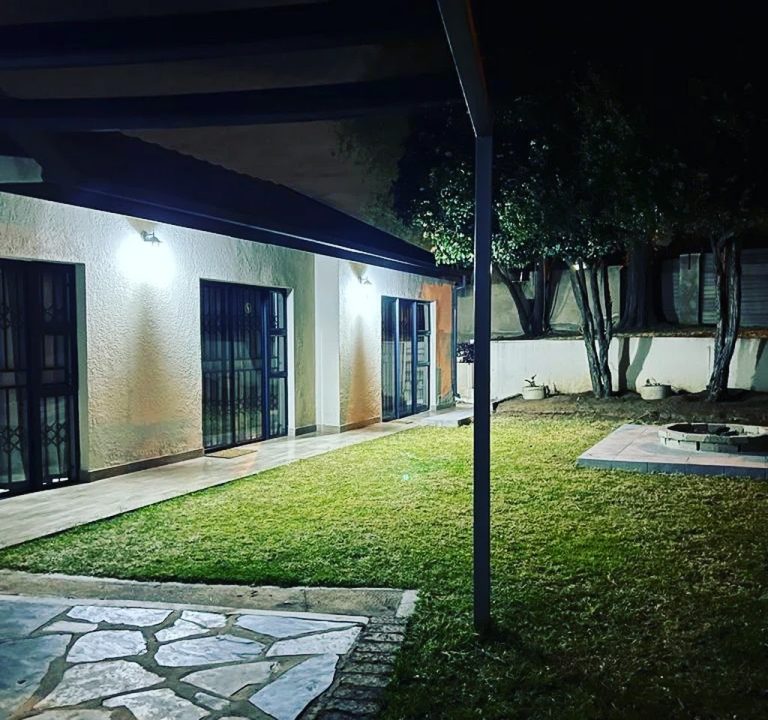
Phola place, as a bed & breakfast option, can offer a compact and comfortable base for exploring the city. Guests selecting a smaller property often appreciate a more personalised service, a homely atmosphere, and a sense of community that larger hotels may not provide. Regardless of scale, the right choice should feel like a practical starting point for your plans, with a friendly host or manager who can offer tailored tips and practical information for your stay in Gauteng.