Johannesburg: Where to stay, what to see, and how to plan a memorable visit
Johannesburg, a dynamic gateway to Gauteng, offers a wide range of accommodation to suit every traveller, from boutique guesthouses to larger hotels and modern apartments. When planning a stay, think about the neighbourhoods that fit your interests, access needs, and pace. South Africa’s largest city is spread out, with distinct atmospheres in its districts, so choosing the right base can transform a trip from rushed to relaxed.
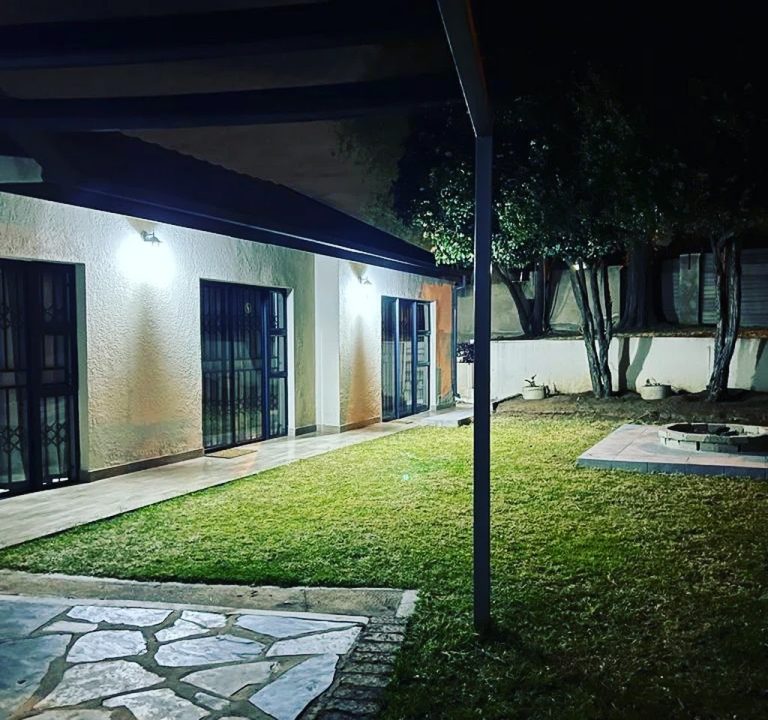
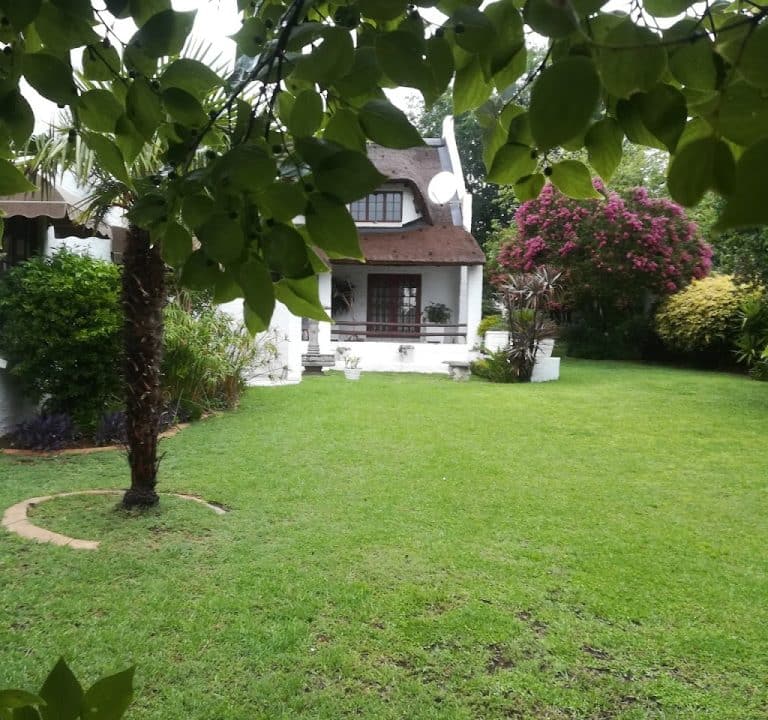
For first-time visitors, central hubs and inner-city areas provide quick access to museums, cultural centres, markets, and nightlife. If you prefer a leafy, upscale vibe with shopping and dining readily on your doorstep, places in Sandton or Rosebank are well placed. For a bohemian, artsy feel with galleries and cafés, Braamfontein and Maboneng offer a creative energy. Soweto, Johannesburg’s famed township, presents guided experiences that illuminate history and community life and can be accessed as a day trip from the city centre. Calile Guest House, an example of a guesthouse option, demonstrates how smaller establishments can balance warm hospitality with convenient proximity to transport links and local amenities.
When evaluating accommodation, look for a few practical essentials. Good security is important in many parts of the city, so check that the property has reliable access control, secure parking if you’re driving, and well-lit surroundings. Air conditioning or effective heating is worth noting for seasonal comfort, as Johannesburg’s climate features warm summers and crisp, dry winters. A comfortable seating area, reliable in-room Wi‑Fi, and a well-equipped kitchen or kitchenette are helpful for longer stays. If you’re travelling for business or with family, ask about quiet rooms, flexible check-in, and on-site facilities like a restaurant or bar, a small gym, or communal spaces where you can relax after a day of sightseeing.
Transport plans are a big part of the plan. The city is served by a commuter rail network, bus routes, and ride-hailing services. The Gautrain offers rapid connections to Pretoria, the airport, and other parts of Gauteng, which can simplify travel, especially for early departures or late arrivals. If you’re staying in central districts, you’ll often find that a comfortable walking or short taxi ride suffices to reach most sights. It’s helpful to book accommodation with easy access to a reliable transport node or with a hosted shuttle if you anticipate long day trips.
Best time to visit Johannesburg often depends on what you want from your trip. The city experiences a temperate climate with summer rain and winter sunshine. The drier winter months (roughly May to August) can be pleasant for outdoor exploration and activities around parks, markets, and city tours, though evenings may be cool. The summer season brings longer days and green spaces at their best, with the possibility of showers, so packing a light rain jacket is wise. Plan ahead for school holidays and long weekends when popular areas can be busier, and consider slower-paced days in late afternoon when the light is ideal for photography in markets and historic streets.
Accommodation in Johannesburg often balances location with value. You’ll find properties ranging from intimate guesthouses and family-friendly lodges to larger hotels with full-service amenities. Typical offerings may include daily housekeeping, on-site dining, and options for breakfast included in the rate. Some properties provide concierge services to help you pre-book tours, arrange airport transfers, or secure tickets for performances and exhibitions. If a more self-contained stay appeals, look for serviced apartments or suites with kitchen facilities and guest lounges, which can be particularly convenient for families or longer visits.
To help you plan, here are a few practical tips:
- Identify your priorities: proximity to certain sights, access to public transport, or a quieter residential feel versus a bustling urban atmosphere.
- Check reviews for notes on noise, street access, security, and staff assistance with tours and bookings.
- Ask about breakfast options, late-night dining, and any on-site facilities that matter to you (gym, pool, business centre).
- Consider pre-booking guided experiences or day trips to Soweto, the Apartheid Museum, or historical sites, especially during peak seasons.
- Pack for changeable weather: layers for cooler evenings, sun protection, and comfortable walking shoes for uneven urban streets.
When it comes to dining and experiences, Johannesburg’s gastronomy ranges from bustling markets and casual bistros to refined restaurants emphasising local ingredients. Expect a mix of flavours influenced by diverse communities across the city. Markets, street-food precincts, and casual eateries provide opportunities to sample diverse, affordable dishes, while established restaurants may offer varied menus spanning traditional favourites and contemporary cuisine. For a broader sense of the city’s culture, consider neighbourhood strolls that combine art, street photography, and small cafés.
Further information and ideas for planning a trip can be found through official tourism resources and city guides. These sources can help you tailor your itinerary to your interests, whether you want a cultural focus, shopping and dining, or a mix of history and modern city life. For more travel inspiration and practical planning tips, you may wish to explore Johannesburg Tourism and related regional guides.