Johannesburg: where to stay, plan your visit, and what to explore
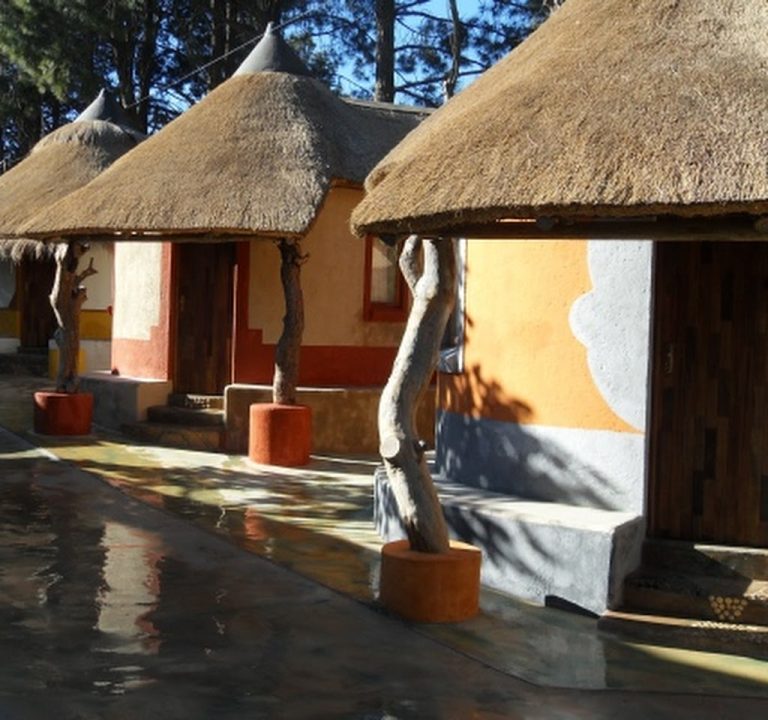
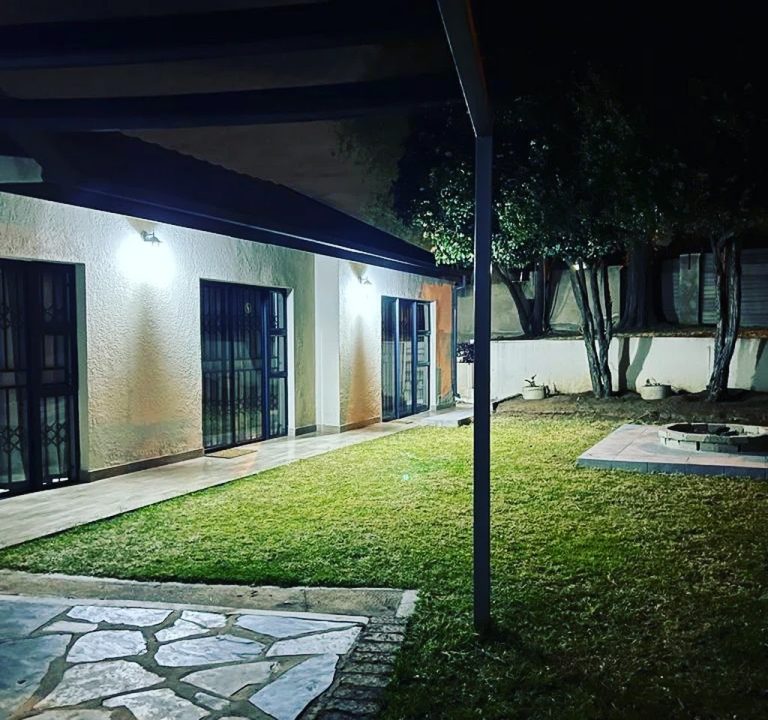
Johannesburg, Gauteng’s bustling gateway to South Africa, offers a mix of stylish guesthouses, modern hotels and characterful lodges. When planning a stay, consider the city’s diverse neighbourhoods to match your interests, whether you’re seeking easy access to business hubs, cultural districts, or family-friendly precincts. If you’re seeking a comfortable base with a friendly welcome, a guesthouse such as Midrand Countryview Guesthouse provides a homely option in the convenient Midrand area, with straightforward access to major routes and amenities.
Areas to consider for your stay
• Sandton: known for its high-end shopping and business precincts, Sandton puts you close to conference centres, leafy suburbs and a vibrant dining scene. It’s well connected by Gautrain stations, making day trips straightforward.
• Rosebank and Melrose Arch: these neighbourhoods offer a mix of boutique hotels, contemporary apartments and easy access to markets, cafés and galleries. They’re a good base for exploring the northern suburbs and public transport links.
• Parkhurst, Parktown North and Yanok: characterful streets, boutique stays and a more residential feel, with walkable eateries and bars on your doorstep.
• Maboneng Precinct and Newtown: for those who want a creative, urban experience with street art, independent cafés and an energetic nightlife. Stay options vary from design-forward guesthouses to compact hotels.
• Midrand and the northern outskirts: convenient for business travellers or guests who prefer a quieter base with easy access to highways and the inland regions of Gauteng.
What to look for when booking
• Location relative to your plans: near key attractions, conference venues or transport hubs can save time.
• Transport options: proximity to Gautrain stations, MyCiTi-style routes, or safe off-street parking if you’ll be driving.
• Room configuration and privacy: check whether en-suite facilities, sound insulation and flexible sleeping arrangements suit your party.
• Amenities: reliable Wi‑Fi, secure parking, self-catering facilities, a comfortable lounge, and a healthy breakfast offering can make a stay easier and more enjoyable.
• Safety and security: look for well-lit entrances, generated keys or card access, and clear guidance on local safety tips.
Typical amenities you may encounter
• Warm, personable service and a tour-friendly welcome, often with recommendations for trips and local must-sees.
• Breakfast options that range from continental spreads to hot plated dishes, offering energy for day trips.
• Comfortable beds, clean en-suite bathrooms, and thoughtful touches such as tea and coffee facilities.
• Communal spaces, gardens or courtyards where you can relax after a day of sightseeing.
• Optional extras such as airport transfers, laundry services, or guided city walks arranged through the property or partner operators.
Transport and getting around
Johannesburg is well-connected by road, rail and bus networks. If you are staying near a Gautrain station, day trips to Pretoria or the Sandton business district are straightforward. For city exploration beyond the pedestrian-friendly areas, a car hire or a trusted private transfer can offer flexibility. Taxis and ride-hailing services are widely available, but it’s wise to book in advance during peak hours. Walking can be pleasant in established districts with good street frontage, markets, and cafés, but it’s sensible to avoid less busy areas after dark in unfamiliar parts of the city.
Best time to visit and practical planning tips
Johannesburg experiences a temperate climate with summer thunderstorms and mild winters. The dry winter season (May to August) brings clearer days, comfortable sightseeing weather and lower humidity, which many travellers favour for outdoor activities. Summers (October to March) can be warm and humid with a chance of showers; this is a lush time for parks and gardens and often aligns with vibrant markets and cultural events. Pack layers to cover temperature swings, along with sun protection for daytime sightseeing.
Practical planning tips include budgeting for fluctuating traffic patterns, particularly on weekday mornings and late afternoons. It’s helpful to map a rough itinerary that groups attractions by geography to minimise back-and-forth travel. If you plan to visit the Apartheid Museum, Soweto tours, or Constitution Hill, consider booking guided experiences through reputable operators to gain context and enrich your understanding of the city’s history.
Nearby attractions and experiences (general terms)
- Museum and gallery visits that showcase South Africa’s history, art, and culture.
- City vantage points, parks, and outdoor spaces where you can enjoy views and green spaces.
- Historical townships and guided heritage tours that provide context to the city’s development.
- Markets, craft stalls, and street-food hubs offering a diverse range of cuisines.
- Dine-arounds and casual restaurants that celebrate local produce and international flavours.
Practical tips for a smooth stay
• Booking in advance, particularly during peak travel periods, helps secure preferred rooms and options close to your planned activities.
• Check cancellation policies and whether the accommodation offers flexible dates in case plans change.
• Confirm transport arrangements and the nearest train stations or safe parking if you are driving.
• Read recent guest reviews to gauge consistency in service, cleanliness and safety standards.
For planning inspiration and official visitor information, consider exploring local tourism resources and city guides online. Useful sources can provide overviews of neighbourhoods, transport updates and suggested itineraries across Johannesburg and Gauteng, helping you tailor a stay that fits your interests and pace. If you’d like further ideas on vetted accommodation options, browsing listings with genuine guest feedback can be a reliable starting point.