A guide to staying in Cape Town: accommodation, transport and local experiences
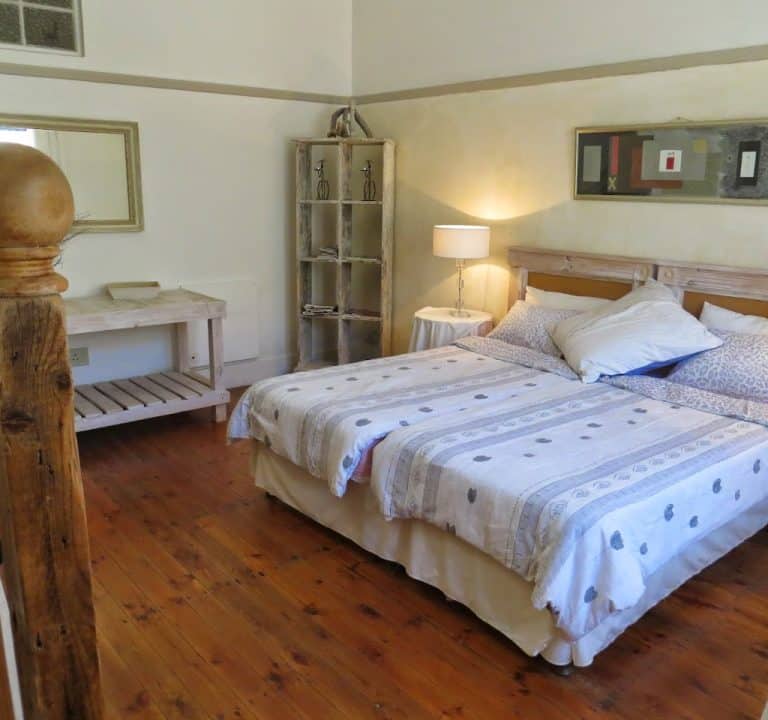
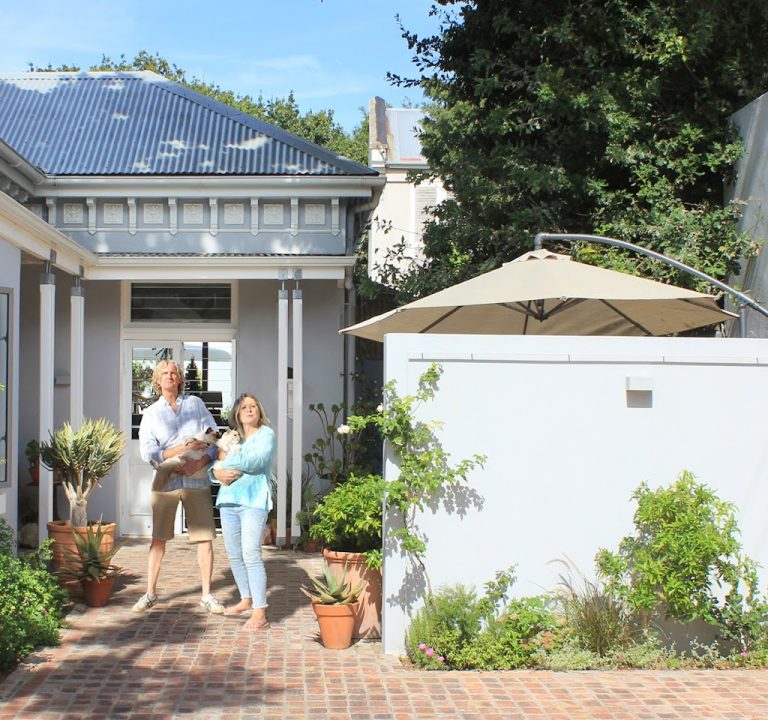
Cape Town in the Western Cape offers a wide range of stays, from intimate guesthouses and family-run pensions to stylish boutique hotels and foreshore apartments. When planning a visit, think about the neighbourhoods that suit your interests, the pace you want, and practicalities such as transport links and access to beaches, viewpoints and urban attractions. For a quaint and welcoming option, consider Tom’s Guest House, a traditional Gasthaus/Pension that may appeal to travellers seeking a straightforward, homely base with easy access to major sights. More information can be found on the property’s website.
Areas to consider include the City Bowl for a central, walkable experience with proximity to restaurants, museums and nightlife; the Atlantic Seaboard for beaches and dramatic coastline views; and the Southern Suburbs for a leafy, quieter stay with easy access to Constantia’s wine routes. If you prefer a true neighbourhood feel, a stay in Green Point or Gardens can offer a mix of eateries, markets and convenient transport links while still keeping you close to the city’s highlights. For those who want access to winelands and longer day trips, staying near the routes to Constantia, Hout Bay or the Cape Winelands region can be convenient.
When booking, look for a few typical meeting points that improve a stay in Cape Town:
- Location relative to the sights you plan to visit, ideally within a short ride or walk of your daily plans.
- Accessibility to public transport such as bus routes, commuter trains or safe ride-hailing options.
- Amenities that match your needs, for example secure parking, reliable Wi‑Fi, a welcoming breakfast, and comfortable, climate-controlled rooms.
- Guesthouse or hotel character—some properties offer terraces, shared lounges, or kitchen facilities that can enhance value and social interaction.
Typical amenities across Cape Town’s accommodation spectrum include breakfast options (from self-catering to full hot breakfasts), Wi‑Fi throughout the property, daily housekeeping, and access to outdoor spaces such as courtyards or small gardens. Many guesthouses emphasise a personal touch—owners or hosts who can offer restaurant recommendations, tips on local markets, and guided day trips. If you’re staying at a more boutique property, expect well-curated interiors, stylish communal areas and a sense of local character that reflects Cape Town’s diverse heritage.
Transport is a crucial consideration. Cape Town’s MyCiTi bus network covers many central and coastal areas, with routes that link main attractions, shopping districts and beaches. Taxis, ride-hailing services and car hire are widely available, which makes day trips to Table Mountain, Cape Point or the Cape Winelands feasible without heavy reliance on public transport. If you prefer independence, a compact car often proves useful for exploring the peninsula at your own pace, especially when staying away from the city centre.
The best time to visit Cape Town depends on your priorities. The city enjoys temperate springs and summers, with wildlife sightings and blooming fynbos in springtime. Autumn can offer milder days and fewer crowds, which is ideal for hiking table-top viewpoints without overpowering heat. Winter brings cooler, wetter weather—great for fewer crowds and lush scenery, though some outdoor activities may be more weather-dependent. If you plan outdoor activities such as hiking or coastal drives, pack layers, sunscreen, and sensible footwear to enjoy Cape Town’s varied climate throughout the year.
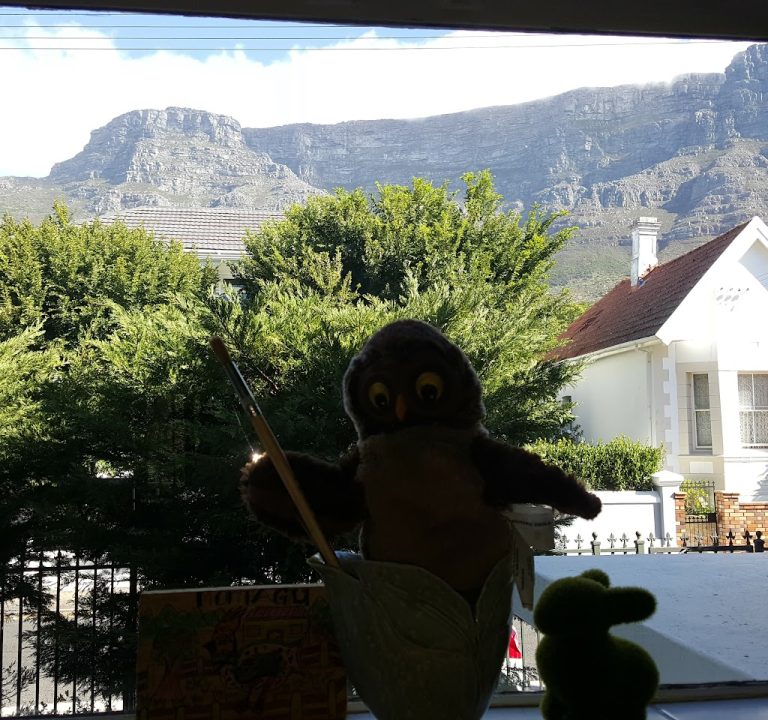
When it comes to experiences, you can expect a mix of natural beauty, culture and cuisine. Iconic views from Table Mountain and coastal walks along the Atlantic Seaboard sit alongside museums and galleries that explore the city’s rich histories. For dining, Cape Town’s restaurant scene ranges from contemporary fusion and seafood to traditional South African plates, with many venues emphasising fresh, locally sourced ingredients. Casual markets, street food and al fresco dining are common, especially in warmer months, offering ample opportunities to sample regional flavours without committing to formal reservations each night.
Practical tips to help you plan your stay:
- Book accommodation with flexible cancellation where possible, especially during peak seasons or shoulder periods when weather can shift plans.
- Check security and guest access arrangements in advance, particularly if you will be returning late or plan to drive at night.
- Choose a base with easy access to your planned activities, whether it’s coastline,Table Mountain, or the Constantia wine routes.
- Factor in travel time to popular sights and consider sunrise or late-afternoon visits to avoid crowds and enjoy better light for photography.
- Respect local etiquette and safety guidelines, and keep valuables secure when exploring busy markets and tourist hubs.
Ultimately, a well-planned stay in Cape Town blends comfortable accommodation with accessibility to natural beauty, cultural experiences and a vibrant dining scene. Whether you prefer a cosy pension with a homey atmosphere or a stylish guesthouse close to the buzz of the city, the Western Cape offers a broad spectrum of options to suit every traveller. For further inspiration, explore the linked property websites and regional tourism resources to tailor a trip that matches your interests and budget.