Where to Stay in Cape Town: Accommodation, Planning and Local Experiences
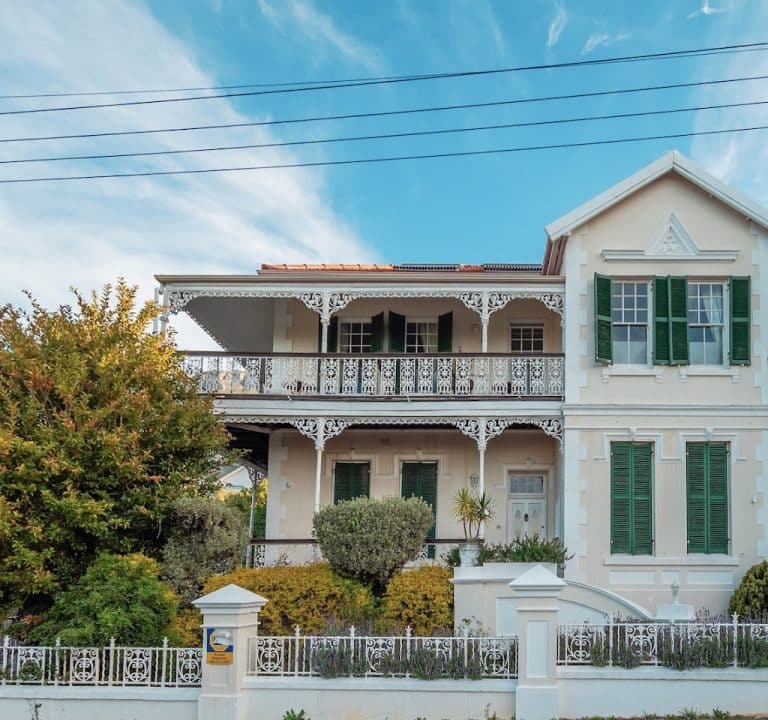
Cape Town offers a range of guest houses, boutique hotels, lodges and self‑catering options that suit every budget and travel style. Whether you are seeking a stylish seaside escape, a characterful Victorian guest house, or a modern apartment near the City Bowl, the key is to plan around your priorities: location, access to transport, and the kind of atmosphere you want from your stay. A central example in the mix is Orange Mansion, a charming guest house that helps first‑time visitors orient themselves while offering a comfortable home base for longer stays. For practical planning, it helps to know what to look for when booking, and how to make the most of your time in this incredibly varied city.
Areas to consider when choosing where to stay
- City Bowl and central Cape Town: Close to museums, restaurants and nightlife, with easy access to sightseeing hubs. Properties here tend to be compact, stylish and walkable to many attractions.
- V&A Waterfront and Green Point: A mix of views of the harbour and sea, with plenty of dining and entertainment options nearby. Convenience for boat tours and popular beaches.
- Sea Point and Camps Bay: Ideal for beach lovers and longer seaside strolls, with a relaxed atmosphere and a quick drive to the table‑top region and wine routes.
- Constantia and the southern suburbs: Green, tranquil neighbourhoods with spacious guest houses and upmarket dining, a short drive from Cape Town’s wine farms and scenic routes up the peninsula.
What to look for when booking
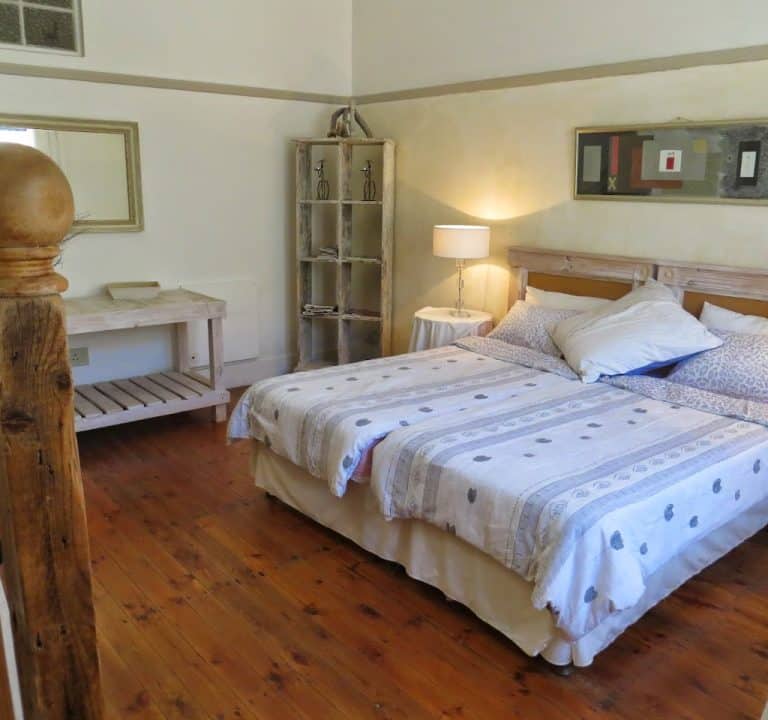
- Room configuration and private amenities: Check whether you’ll have a private bathroom, air conditioning or heating, and any kitchen or lounge access that suits your itinerary.
- Outside spaces and views: A balcony, garden or pool can be a real bonus, especially in warmer months when outdoor living becomes part of daily life.
- Accessibility and transport links: If you’ll rely on public transport or Uber, choose a location with easy access to major routes or a reliable taxi network.
- House rules and inclusions: Look for breakfast options, parking availability, housekeeping schedules, and any guest‑only areas to avoid misunderstandings.
- Hosts and guest reviews: A responsive host can greatly improve your stay with local tips, restaurant recommendations and safety considerations.
Typical amenities you might expect
- Private or shared lounge areas, Wi‑Fi, and kitchen facilities in shared accommodations.
- Pool or outdoor spaces, barbecue areas and garden seating for relaxed evenings after day trips.
- Secure parking or easy street parking; self‑catering options with well‑equipped kitchens.
- Good quality linens, tea and coffee facilities, and thoughtful touches such as maps and guidebooks to help plan day trips.
Practical tips for planning and enjoying your stay
Time your visit wisely: Cape Town experiences seasonal variation. The summer months (roughly November to March) are warm and best for outdoor activities, but can be busy and pricier. Shoulder seasons—spring (September to November) and autumn (March to May)—offer milder weather, calmer attractions queues, and more affordable rates. Winters are mild by many standards but can be cooler and windier, especially on the Atlantic Seaboard; plan indoor activities alongside outdoor adventures during these months.
Getting around: Cape Town benefits from a good mix of transport options. The MyCiTi bus network is among the most reliable for tourists, with routes connecting central areas to popular beaches and suburbs. Ride‑hailing services are widely available and convenient for short trips, while renting a car provides flexibility for day trips along the Atlantic Seaboard or to the Constantia wine route. If you stay near the City Bowl or V&A Waterfront, many attractions are within walking distance, reducing the need for constant transport.
Where to base your days: plan a balanced itinerary that combines outdoor adventures with cultural experiences. Activities to consider include a cable car ride up Table Mountain for panoramic views, a visit to Robben Island’s historic site with a guided tour, and time at the V&A Waterfront for dining and shopping. For nature lovers, a drive along the Atlantic coast to beaches and viewpoints offers spectacular photo opportunities. If you enjoy wine and cuisine, a day trip to the Constantia or Stellenbosch regions provides excellent tastings paired with picturesque scenery. In the evenings, Cape Town’s dining scene ranges from seafood shacks with harbour views to refined restaurants offering modern South African cuisine in stylish settings.
Where to eat and drink in general terms: you’ll find a mix of casual eateries, chic bistros, and fine dining venues across the city. Popular areas for a vibrant dining scene include the city centre, the Atlantic Seaboard, and the Karoo‑inspired outposts in the southern suburbs. Expect menus that celebrate fresh local produce, with influences from Cape Malay, Cape Croatian, and modern fusion traditions. Many guest houses and boutique hotels offer curated dining recommendations or partner with nearby eateries to make dinner easy after a day of exploring.
Practical planning notes
- Check weather forecasts and pack accordingly, particularly for windy coastal days or cooler evenings near the water.
- Always confirm breakfast arrangements and any dietary requirements with your host in advance.
- Read cancellation policies carefully, as regional travel plans can change quickly.
- Bring a small note of local etiquette and safety tips, so you can enjoy the city responsibly and with peace of mind.
For more information on Cape Town’s attractions and practical visitor guidance, you can explore official tourism resources online, as well as recommended local experiences offered by guest houses and guest‑house associations. Cape Town is a destination that rewards a well‑planned stay, combining comfortable accommodation with dramatic landscapes, welcoming neighbourhoods and a lively culinary scene.
Find out more about staying in Cape Town at https://www.capetown.travel, and consider connecting with trusted guest houses such as Orange Mansion to get a sense of authentic city living in this remarkable region.