Accommodation and Experiences in Cape Town: Planning a Memorable Stay
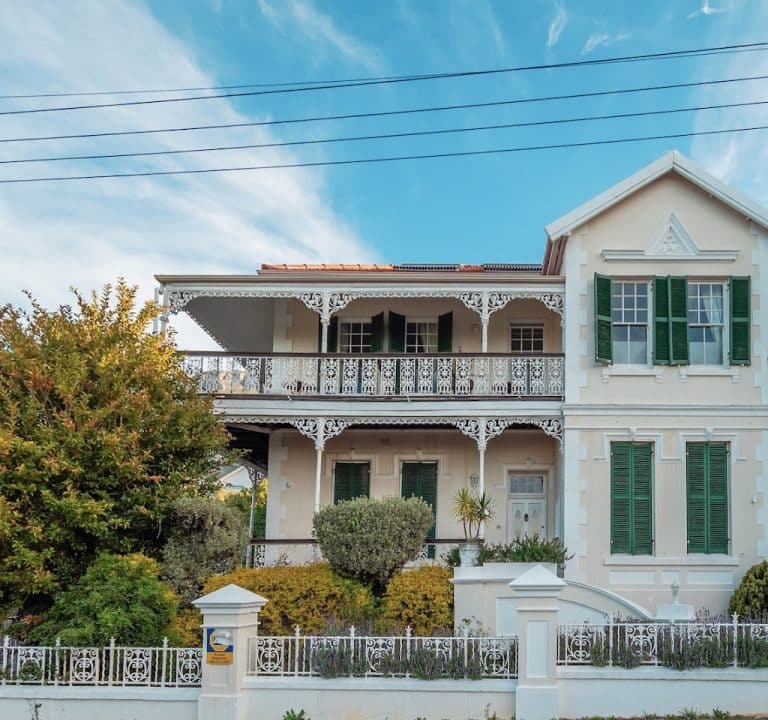
Cape Town, set against a dramatic backdrop of mountains, sea and a coastline that unfolds to dazzling vistas, offers a rich mix of guest houses, boutique hotels, and lodges. Whether you’re seeking a cosy, family-run guest house in a leafy suburb, a chic design hotel near the harbour, or a guest-friendly option with easy access to beaches and trails, there is something to suit every traveller and budget. For those exploring Belvedere House Accommodation, a well-situated guest house can provide a comfortable base from which to explore the city while enjoying personalised hospitality.
When planning where to stay, consider the neighbourhoods that best align with your itinerary. The Atlantic Seaboard areas, including Camps Bay and Clifton, are renowned for sweeping ocean views and upscale dining. The city bowl offers vibrant culture, easy access to museums and nightlife, and a compact urban feel. Constantia provides a tranquil, wine-country atmosphere with easy access to scenic drives and nature walks. For families and more budget-conscious travellers, neighbourhoods a short ride from the city centre—such as Green Point, Sea Point, or Observatory—often balance value with convenient transport links and a calmer street life after dark.
Typical stay options in Cape Town range from guest houses and boutique B&Bs to self-catering apartments and small hotels. Expect comfortable en-suite rooms, private entrances, and often a generous breakfast service. Many properties feature common lounges, leafy courtyards, or terraces with sea or mountain views. If you value privacy, look for options offering separate entrances and self-contained rooms; for those seeking sociable stays, guest houses with communal dining areas or shared lounges can be ideal. In popular seasons, rooms with good airflow and air-conditioning or ceiling fans may be worth prioritising, given August winds in the western Cape and warm summer days.
Booking considerations can have a big impact on your experience. When you choose a place to stay, think about the following:
- Location relative to your planned activities and transport needs
- Type of breakfast and whether it is included
- Room layout, privacy, and noise levels
- Access to parking and public transport links
- Cancellation policy and flexibility during travel disruptions
- Safety features, such as secure entrances and well-lit surroundings
- Wi‑Fi reliability for work or streaming, if required
Respectable guest houses and hotels in Cape Town typically offer a mix of practical amenities. Expect clean bed linen and daily housekeeping, robust security, and guest information folders with maps and tips. Many establishments provide complimentary breakfast sourced from local producers, with options ranging from continental spreads to cooked dishes. For travellers who prefer independence, self-catering spaces or kitchen access can be found in certain apartments and guest houses. On longer stays, a small kitchenette, laundry facilities, and a friendly reception that can assist with day trips are especially valuable.
Transport in Cape Town is a key planning element. The city is served by a network of buses, some ride-hailing services, and scenic routes that lend themselves to day trips. If you’re staying in central or coastal districts, you’ll typically be within a short ride of the V&A Waterfront, Table Mountain cableway, and the historic Bo-Kaap district. Car hire is common for exploring beyond the immediate city centre, such as the Cape Peninsula’s scenic drives or wine regions like Constantia and Stellenbosch. Many guest houses and small hotels offer secure parking or partnerships with local operators for guided tours and transfers.
The best time to visit Cape Town depends on your priorities. The spring and autumn shoulder seasons—roughly September to November and March to May—offer milder weather, fewer crowds, and good conditions for outdoor activities like hiking and coastal walks. Summer (December to February) is peak season, ideal for beach days and long outdoor dinners, but it can be busier and pricier. Winter (June to August) is milder and windy, with occasional rain showers; this period suits visitors who enjoy lower rates and less crowded galleries and museums, though outdoor activities may be more weather-dependent.
Within easy reach of accommodation, there are abundant attractions and experiences that suit many tastes. Natural highlights include iconic viewpoints, harbour and coastal walks, and nature reserves with wildlife viewing. Cultural interests span museums and galleries that tell the story of the city’s diverse communities. For food lovers, Cape Town’s dining scene ranges from vineyard bistros and seafood eateries to modern bistros offering seasonal menus and locally sourced ingredients. In addition, many neighbourhoods host markets and casual eateries where you can sample Cape Malay flavours, street food, and artisanal crafts.
Useful practical tips for a smooth stay: book communication-friendly properties, particularly if you plan day trips or early starts for mountain excursions. Check access to early breakfast or takeaway options if you intend to depart before standard serving times. Bring comfortable shoes for uneven pavements in some parts of the city and plan for weather changes, especially if you intend to explore outdoors. Finally, leave some space in your itinerary for serendipitous discoveries—Cape Town rewards travellers who wander beyond the guidebook, from hidden viewpoints to cosy cafés that become memorable experiences in their own right.