Cape Town: Accommodation and Attractions for a Memorable Stay
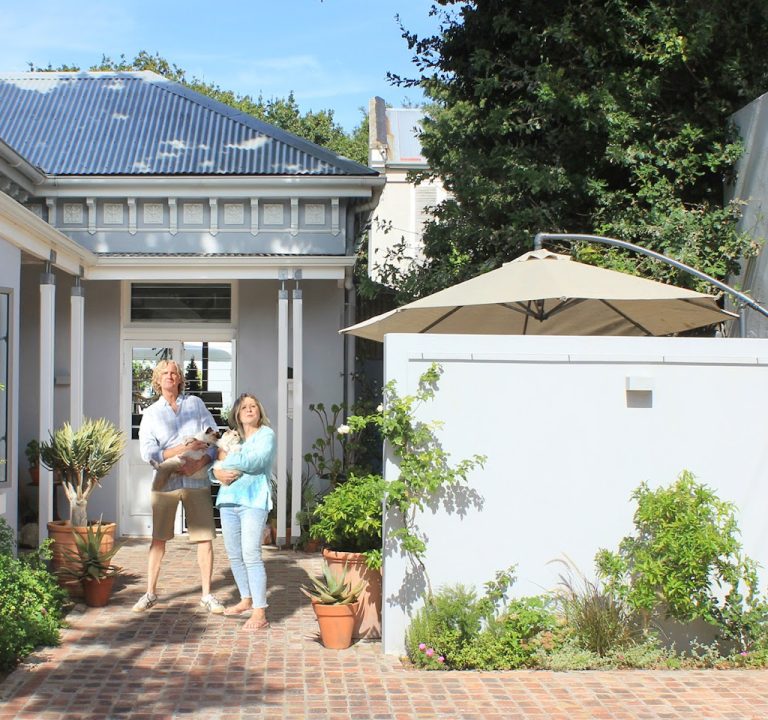
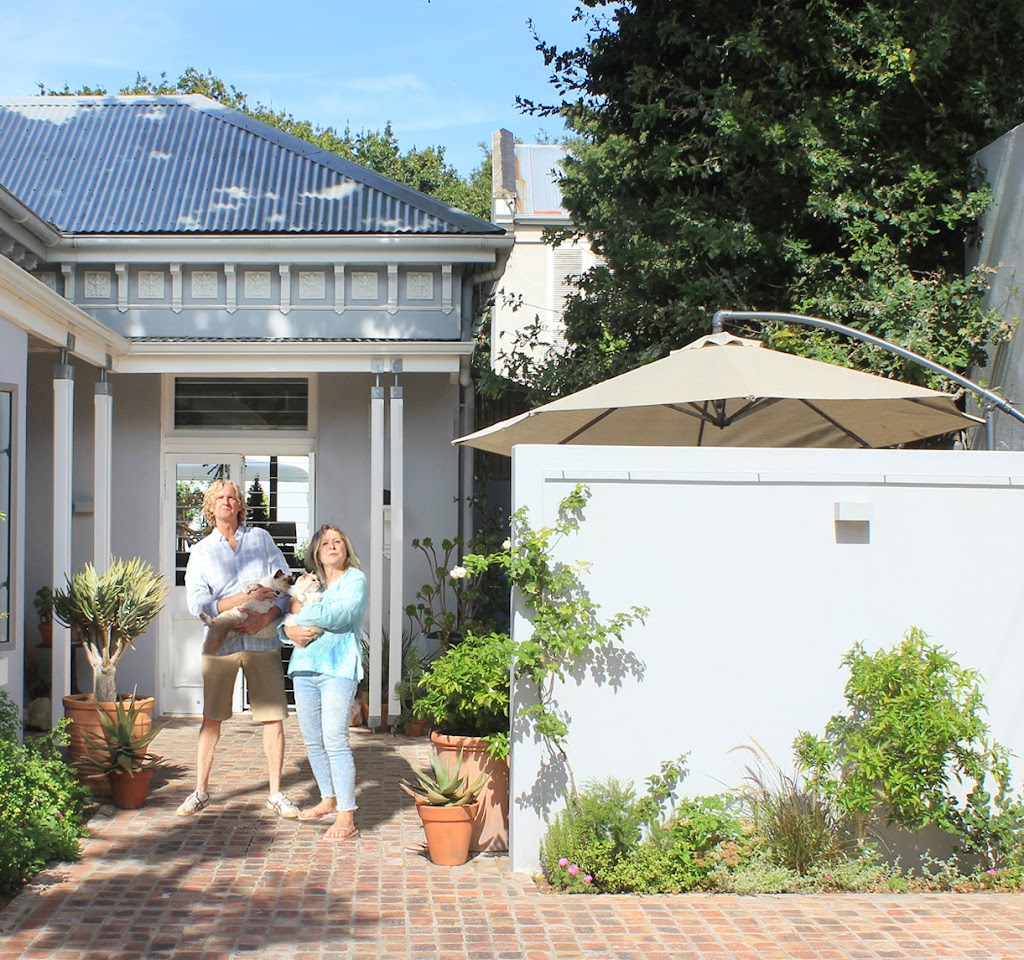
Cape Town offers a rich mix of guest houses, boutique hotels and lodges that suit a range of budgets and preferences. Whether you prefer harbour views, mountain scenery, or neighbourhoods with easy access to cafés and markets, there are options that pair comfortable stays with convenient transport links and local flavour. A well-chosen base can set the tone for your whole visit, and several well-regarded properties showcase the city’s hospitality ethos. For example, Himmelblau Boutique Bed & Breakfast presents a charming guest house experience that blends personal service with a prime location, and it can serve as a reference point when planning a stay in the city.
When planning where to stay, consider the area in relation to your planned activities. The City Bowl and Gardens offer proximity to museums, markets, and hillside viewpoints, while the Atlantic Seaboard provides coastal walks, easy access to beaches, and glamorous dining avenues. Constantia valley is ideal for a relaxed, wine‑focused escape, and the Cape West Coast or the Peninsular routes make sense if you are chasing scenic drives and nature reserves. If you are travelling with family or a group, look for properties that provide larger suites, self‑catering options, or communal spaces where you can gather each evening.
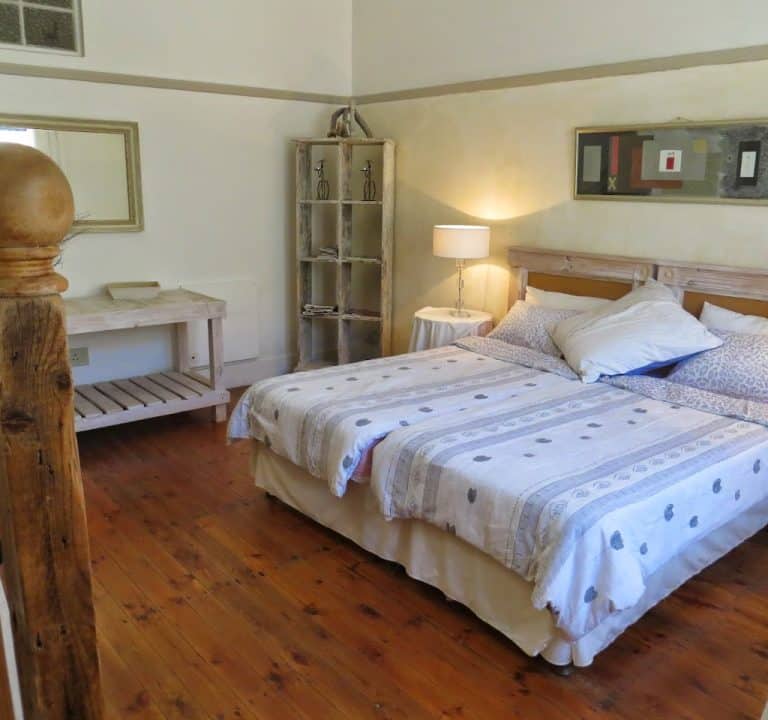
Typical amenities to look for include reliable Wi‑Fi, secure parking, air conditioning or heating, a generous breakfast offering, and guest‑focussed staff who can provide local tips. A boutique guest house will often emphasise thoughtful touches such as locally sourced toiletries, comfortable bedding, quiet rooms, and areas to relax, such as a courtyard, veranda or small pool. If you prefer self‑catering or flexibility, seek self‑contained suites, kitchen facilities, or access to a lounge area. Accessibility, noise levels, and safety features are worth checking, particularly if you plan to rise early for mountain outings or late-night dining.
Transport arrangements can influence your itinerary. In central areas, walkable streets are a treat, but taxi services and rides‑hare apps are convenient for trips to the V&A Waterfront, Table Mountain, or the Constantia vineyards. If you intend to explore beyond the city, renting a car offers freedom for day trips to the Cape Point reserve, Chapmans Peak, or nearby towns. Some guest houses can assist with shuttle services or provide guidance on routes and timetables for the city’s public transport network, such as the MyCiTi bus system, which covers many tourist-friendly routes.
The best time to visit Cape Town is during the spring (September to November) and autumn (March to May) shoulder seasons when crowds are typically thinner and the weather is mild. Summer (December to February) is peak season, with lively outdoor activities and long days, though accommodation can be busier and pricier. Winter (June to August) brings cooler conditions and occasional rainfall, which can still be pleasant for city wandering and museum visits, often at lower rates. It’s wise to check current weather patterns and seasonal events such as festivals or markets to tailor your plans and bookings.
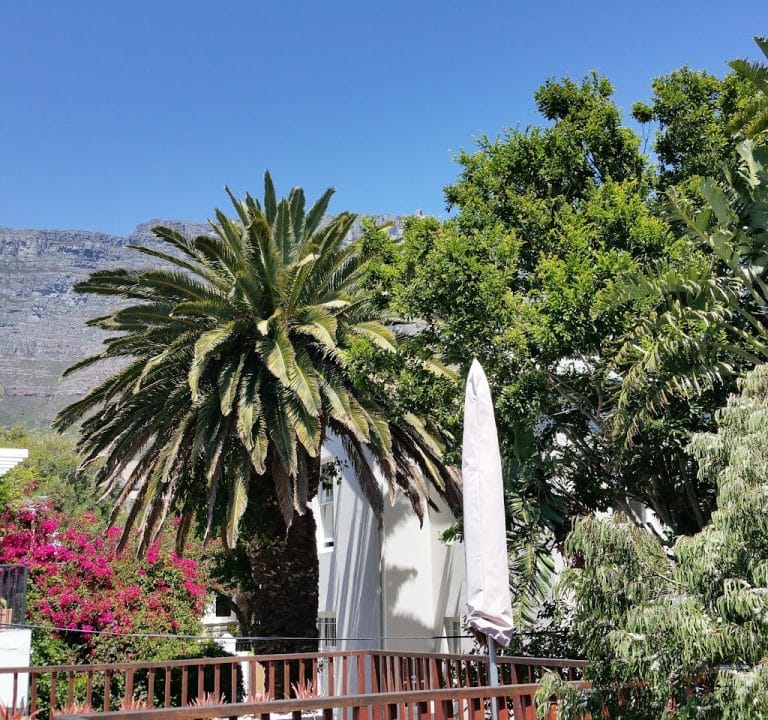
When choosing accommodation, consider proximity to your planned activities. If you are keen on hiking and cable‑car views, staying near or within easy reach of Table Mountain can cut travel time. For seafood lovers and sunset watchers, accommodation along the Atlantic Seaboard offers brisk evening strolls and restaurant options within short distances. For wine enthusiasts, a base in Constantia or a nearby suburb can make day trips to wine estates more convenient. If you are visiting with children, look for family‑friendly features such as larger rooms, childproofing where available, and nearby parks or beaches.
Eating out in Cape Town is part of the experience. The city’s restaurant scene spans casual eateries, market stalls, and fine dining, with a strong emphasis on seafood, Cape Malay flavours, and fresh produce from surrounding regions. Plan to sample local cafés for breakfast or brunch and leave room for a sunset dinner with views over the harbour or sea. When budgeting, remember that many places offer set menus or tasting experiences, and some venues can accommodate dietary requirements with advance notice. It is common for guest houses and boutique hotels to offer recommendations or even curated dining itineraries to help you make the most of your stay.
Practical tips for a smooth trip include confirming check‑in and check‑out times, especially if you have early flights or late arrivals. Pack a lightweight rainproof layer for the Atlantic coast and a sun hat for Table Mountain’s high altitude. If you are renting a car, check parking arrangements and fuel stations in the area, and be mindful of city traffic during peak hours. For those relying on public transport, carry a map or offline app, and keep charging ports handy for navigation and trip planning on the move. Finally, keep some local currency for small purchases at markets and street stalls, while most tourist venues accept cards or mobile payments.
In summary, Cape Town combines outstanding natural scenery with a welcoming hospitality scene. By choosing a well‑located accommodation with the right amenities, you can streamline your days and balance iconic sights with leisure time. Whether you prefer a cosy guest house in a leafy neighbourhood, a boutique hotel near the waterfront, or a stylish apartment with kitchen facilities, thoughtful planning will help you make the most of your stay. For more information on one example of a guest‑house experience, you can visit Himmelblau’s official site: Himmelblau Boutique Bed & Breakfast.
- Areas to consider: City Bowl/Gardens, Atlantic Seaboard, Constantia, Cape Peninsula, Stellenbosch and surrounding wine routes.
- Amenities to prioritise: breakfast options, parking, reliable Wi‑Fi, air conditioning/heating, access to outdoor spaces.
- Transport tips: use a combination of walking, rides‑hare services, and MyCiTi where convenient; consider car hire for wider day trips.