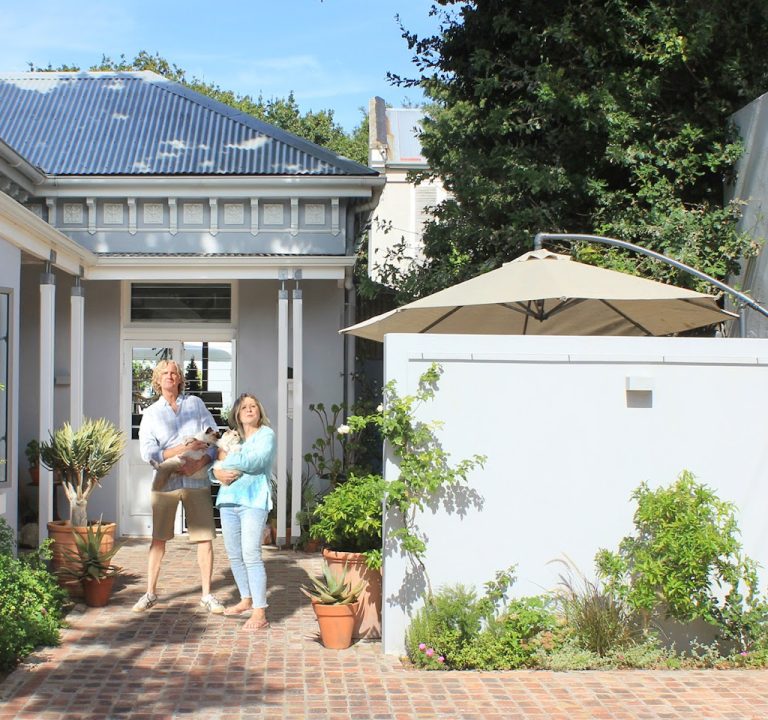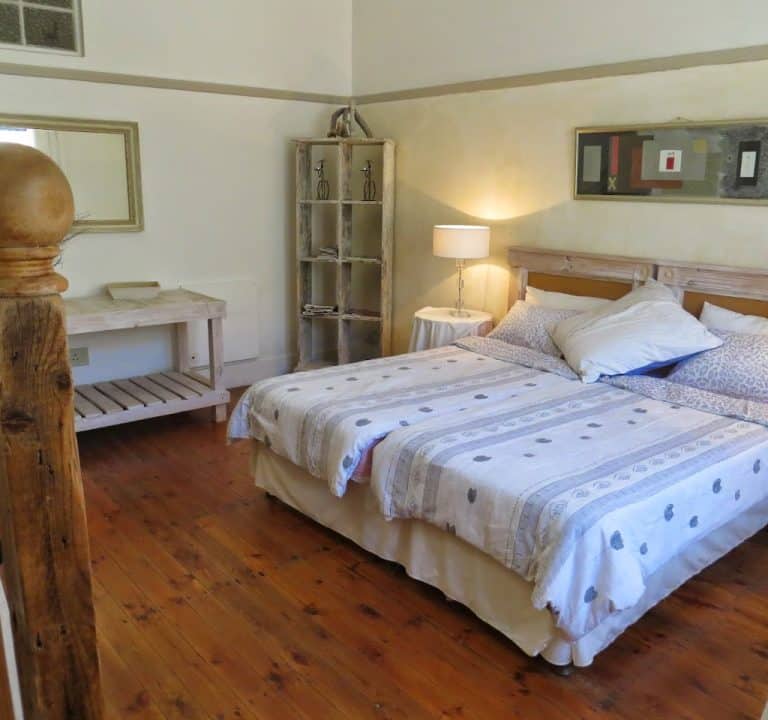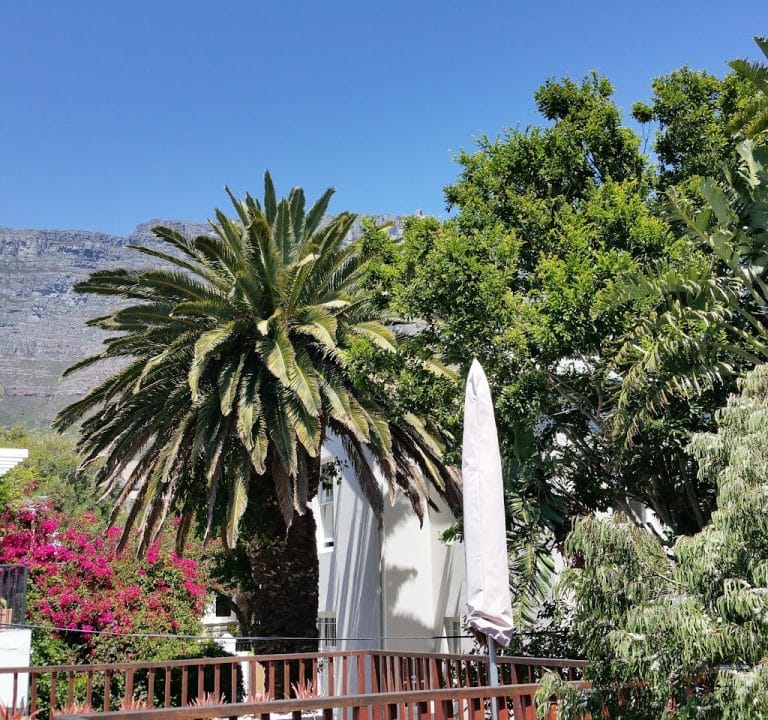
Cactusberry Lodge is a Guest house establishment in Cape Town, Western Cape, South Africa
About Cactusberry Lodge
Cactusberry Lodge sits in Cape Town, within the Western Cape of South Africa, a destination renowned for its natural beauty, scenic coastlines, and vibrant city culture. At present, the official website content appears limited, with the domain indicating that no detailed information is available on the page. As such, prospective guests are encouraged to consult the official site for the most current details.
From a travel perspective, Cactusberry Lodge is positioned to offer an approachable base for visitors exploring Cape Town. Without published specifics on room types, on-site facilities, or policies on the site, readers may reasonably expect a focus on a comfortable, welcoming stay typical of guest accommodations in this region. For those planning a trip, it is prudent to verify the latest information directly through the lodge’s online presence or via trusted booking channels, ensuring clarity on what is offered, rates, and any seasonal variations.
In terms of the lodge’s setting and style, publicly available information does not currently articulate a precise design aesthetic or interior features. What remains clear is the intent to provide a lodging experience aligned with the needs of travellers seeking convenient access to Cape Town’s attractions while enjoying the kind of personal, small-scale hospitality that lodges and guesthouses in the area commonly aspire to deliver.
For travellers prioritising reliable information, it is beneficial to compare Cactusberry Lodge with nearby options that plainly list room configurations, amenities, and policies. This approach helps establish a clear understanding of what is standard in the locality and supports informed decisions about where to stay based on personal preferences and budget.
As with many Cape Town stays, visitors typically look for a balance of comfort, value, and proximity to highlights. When planning a stay, consider what matters most: central access to urban experiences, easy routes to the coast, and straightforward logistics for meals or self-catering options. While the lodge’s own website is the primary source for specifics, cross-referencing with reviews and travel guides can provide a fuller sense of the guest experience in the area.
Booking tips for the region include checking for flexible rates, understanding cancellation policies, and noting any seasonal changes that might affect availability or pricing. For those visiting Cape Town, planning around climate and peak travel periods can help secure the best value and a smoother travel experience overall.
Nearby highlights and itineraries are a key part of a satisfying Cape Town visit. While precise listings for Cactusberry Lodge are not published on the current site content, the city offers a wealth of natural and cultural attractions, from Table Mountain and the V&A Waterfront to nearby beaches and upmarket districts. It is advisable to explore a range of experiences, including guided tours, nature trails, and neighbourhood discoveries, to capture the full spectrum of what Cape Town has to offer.
For practical travel planning, guests are encouraged to visit the lodge’s official website for booking and update details, and to use reputable travel platforms to compare options, read recent guest reviews, and verify amenities. The site link to consult is: Cactusberry Lodge — official site.
In summary, Cactusberry Lodge in Cape Town presents itself as a local lodging option whose published content on the official site is currently limited. Prospective travellers are advised to confirm accommodation specifics, facilities, and policies directly through the lodge’s online presence or trusted booking resources. This careful approach helps ensure a well-informed choice and a pleasant stay in one of South Africa’s most dynamic travel destinations.
Cape Town
Western Cape
8001
South Africa


Exploring Cape Town: Where to stay, what to see, and practical tips for a memorable visit
Cape Town is a city of contrasts, where dramatic coastline meets sweeping mountain scenery, and a rich mix of heritage, cuisine, and outdoor adventures awaits at every turn. For visitors seeking a comfortable base, guest houses and other boutique accommodations offer a personalised touch, often nestled in neighbourhoods that reveal the character of the city. One example in the guest-house scene is Cactusberry Lodge, a well-positioned option that blends home comforts with easy access to key sights and experiences. For those planning a stay, understanding the best areas to book, the typical amenities to expect, and how to get around will help you make the most of your time in the Mother City.
Where you stay can shape your daily itinerary. If you want a vibrant urban vibe with easy dining, nightlife, and waterfront views, look for options in the V&A Waterfront precinct or the Central City and De Waterkant area. For a more residential, family-friendly atmosphere with leafy streets and cafes, consider the Oranjezicht, Green Point, or Sea Point neighbourhoods. If a quick escape to nature is appealing, the southern suburbs near the Constantia Valley and the slopes of Table Mountain offer tranquil settings and scenic trails. Cape Town’s geography is such that a short drive can transport you from a bustling street to a tranquil harbour or a panoramic viewpoint, so choose a base that aligns with your planned days.
What to look for when booking a stay in Cape Town ranges from the practical to the indulgent. Practical considerations include secure access, on-site parking if you’re driving, reliable Wi‑Fi for work or planning, and clear notes about breakfast options or self-catering facilities. In terms of ambience, many guest houses and boutique stays in Cape Town prioritise warm hospitality, stylish décor, and thoughtful little touches that make a visit feel special. For longer stays, ask about laundry facilities and housekeeping schedules. If you’re visiting in peak season (roughly November to February), it’s wise to book well ahead and confirm cancellation policies in writing, as demand tends to be high and prices can rise quickly during holiday periods.
Typical amenities you might encounter include en-suite bathrooms, well-equipped kitchen corners or snack stations, access to outdoor spaces such as terraces or gardens, and convenient features like air conditioning or underfloor heating for cooler nights. Some properties offer personalised city guides, or help with arranging experiences such as guided hikes, coastal walks, or wine-tasting excursions in nearby areas. If Cactusberry Lodge in particular piques your interest, you can explore the property’s own site for a sense of its style and what it offers, then compare with other guest houses in the region to determine what best suits your travel style.
Transport in Cape Town is straightforward but requires some planning. The city’s public transport is complemented by a network of rideshare options and car rental services. If you’re staying in a central neighbourhood, you’ll often be able to explore on foot or by short taxi hops to major sights and markets. For broader exploration—such as a day trip to the Cape Peninsula, Constantia Valley, or nearby winelands—having access to a car can be a real time-saver. Many guest houses arrange shuttle services or can recommend trusted local operators. When planning your days, factor in peak traffic times, especially during morning and evening commuter hours, to avoid delays and to make the most of your daylight hours.
Best time to visit Cape Town depends on what you want from your trip. The summer months (November to February) bring longer days, warmer seas, and lively outdoor scenes, perfect for coastal strolls and outdoor dining. Autumn (March to May) and spring (September to November) offer mild weather with fewer crowds, which can be ideal for scenic hikes and city sightseeing. Winter (June to August) is cooler and rainier, but often provides dramatic coastal conditions and lower accommodation rates. If you’re seeking sea swims, sandy beaches, and outdoor festivals, plan for late spring or summer; for hiking and scenic viewpoints with fewer crowds, consider shoulder seasons.
- Choose accommodation based on your daily plans: central for city sights, beachfront for sea views, or suburban for a relaxing retreat with nature close at hand.
- Confirm kitchen and laundry facilities if you’re staying for an extended period or travelling with family.
- Ask about guided experiences or restaurant recommendations that showcase Cape Town’s culinary landscape, from markets to fine dining.
- Plan day trips with a rough route: Table Mountain, the V&A precinct, Kirstenbosch Gardens, and the Cape Peninsula drive are popular highlights.
When it comes to dining and experiences, Cape Town’s culinary scene ranges from bustling markets and casual bistros to refined eateries with harbour views. Beyond specific restaurant names, you can expect a emphasis on fresh seafood, regional produce, and multicultural flavours that speak to the city’s diverse communities. For a well-rounded visit, combine a few relaxed meals with a standout dinner, and leave room for spontaneous discoveries along the way. If you’re curious about accommodation options like Cactusberry Lodge, visiting their official site will give you a sense of the guest-house atmosphere, location, and how it might fit into your Cape Town plan. For further inspiration, browse trusted travel guides and local tourism sites for up-to-date information on attractions, timings, and seasonal events.
Sorry, no records were found. Please adjust your search criteria and try again.
Sorry, unable to load the Maps API.
Why Claim Your Listing?
Claiming your listing on the B&B Finder directory website is a valuable opportunity for business owners. Here are five reasons why you should consider claiming your listings:
Control Over Business Information: By claiming their listing, business owners can ensure that all the information presented is accurate and up-to-date. This includes details such as contact information, address, pricing, and available services or amenities. Accurate information helps prevent customer confusion and improves overall satisfaction.
Enhance the Listing: Once a listing is claimed, owners can enhance it by adding more comprehensive information and rich media, like high-quality photos and videos. These additions can make the listing more attractive and engaging to potential customers, thereby increasing the likelihood of bookings.
Marketing Opportunities: Claiming a listing can also open up additional marketing opportunities. Owners may be able to participate in promotional campaigns, special offers, and other marketing activities organized by the directory. This can increase visibility and attract more customers to the business.