Discovering Cape Town: Accommodation, Areas to Consider, and Practical Tips for a Memorable Stay
Cape Town, set between sea and mountains, offers a mosaic of neighbourhoods that suit every travel style. From harbour-front apartments with flat-screen views to intimate guest houses tucked into leafy streets, the city provides a range of options for short breaks, family holidays, or foodie retreats. When planning your stay, it helps to think about what you want to experience each day, how you’ll move around, and the type of atmosphere that will make your visit feel most relaxing and authentic.
One approach is to choose a base that reflects your priorities. If you’re drawn to iconic scenery, consider areas near the Atlantic Seaboard or the southern Peninsula, where dramatic views and quick access to beaches are part of daily life. For a more cosmopolitan vibe with easy access to restaurants and nightlife, the city centre and the historic Bo-Kaap area offer lively surrounds and cultural exploration. For families or travellers seeking a quieter stay with close proximity to nature, suburbs a short drive from Table Mountain and Kirstenbosch can be ideal. Each area has its own distinct character, pricing patterns, and transport links, so mapping your must-see sights to a convenient base often saves time and expense.
When booking accommodation, look for a few practical hallmarks. Useful amenities include reliable privacy, hot water and heating, and flexible check-in options. If you value a sense of home away from home, a guest house or small boutique hotel with personalised service can offer attentive staff, curated breakfasts, and local recommendations. For those who prefer self-catering, serviced apartments or holiday homes with well-equipped kitchens, laundry facilities, and secure parking can be especially convenient. If your plans involve early starts or long day trips, late check-in arrangements and clear access instructions are worth confirming before arrival.
Transport is a cornerstone of planning in Cape Town. The city is large, with a mix of scenic routes and practical public transit. While driving offers freedom to explore at your own pace, some areas have limited parking or narrow streets. Consider staying within easy reach of MyCiTi bus routes, Green Point or Sea Point promenades for a walkable waterfront experience, or the Constantia Valley for a wine-tasting day trip. If you anticipate long drives or mountain access, ensure your chosen accommodation provides secure parking and helpful guidance on road conditions and peak traffic times. For those who prefer not to drive, many guest houses and boutiques arrange transfers or recommend reputable tour operators for day trips to sights such as the Cape Peninsula, Cape Point, or nearby winelands.
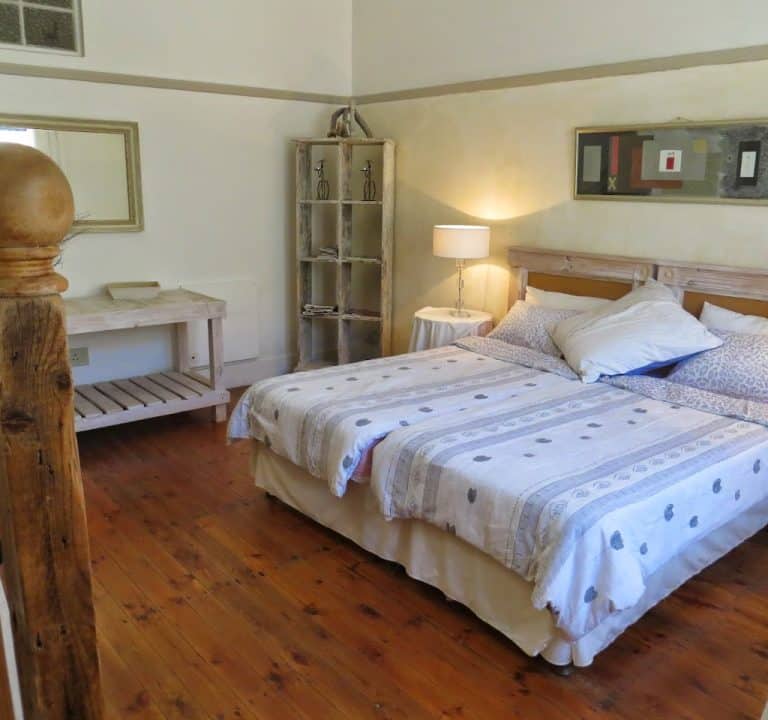
What to look for in typical amenities depends on your stay type. A guest house often offers inclusive breakfast, daily housekeeping, and a homely atmosphere that can enhance your sense of place. Look for comfortable bedding, soundproofed rooms, good lighting for work or reading, and reliable Wi-Fi. If you’re visiting in peak season, air conditioning or ceiling fans can be a welcome touch. For longer visits, a well-equipped kitchenette or access to communal cooking facilities adds practical value. Outdoor spaces—balconies, courtyards, or a garden—are a bonus for relaxing after a day of sightseeing. Accessibility features such as step-free access and easy routes to common areas can also be important considerations for some travellers.
Best time to visit Cape Town largely depends on what you want to do. The months from November to March are typically warm and dry, perfect for beach days and outdoor activities, though popular spots can be busy. The shoulder seasons of April–May and September–October provide milder temperatures and fewer crowds, which some travellers favour for scenic hikes and city exploration. Winter (June to August) brings cooler weather and the possibility of misty mornings, but it can be a good time for those seeking lower prices and indoor cultural experiences. Regardless of when you go, it is wise to plan ahead for outdoor attractions with a contingency for sun, wind, or sudden changes in weather.
What to do beyond your chosen base is an essential part of the Cape Town experience. In general terms, you’ll find dramatic viewpoints and natural landscapes, museums that reveal South Africa’s complex history, and a culinary scene that spans casual eateries to refined dining. Easy day trips can include the iconic coastal route along the peninsula, a visit to world-class gardens and wildlife experiences, and opportunities to sample local wines and farm-to-table produce. Dining choices range from seafood shacks near the shore to stylish bistros in city districts, with many venues emphasising fresh ingredients and regionally inspired cuisine. When selecting places to eat, consider sustainability practices and the availability of dishes that highlight Cape Malay, coastal seafood, and garden-to-plate influences, while keeping in mind that menus can vary with the seasons.
Practical tips to ensure a smooth stay:
- Book accommodation with clear cancellation policies and transparent terms, especially for dates with potential travel disruptions.
- Request a written confirmation of important details such as check-in times, parking arrangements, and access to facilities.
- Communicate any accessibility needs, dietary requirements, or special surprises in advance to the host or front desk.
- Check proximity to key sights and transport hubs to maximise time spent exploring rather than commuting.
- Pack versatile layers for changing coastal weather, and bring sensible footwear for varied terrain such as beaches, markets, and hillside routes.
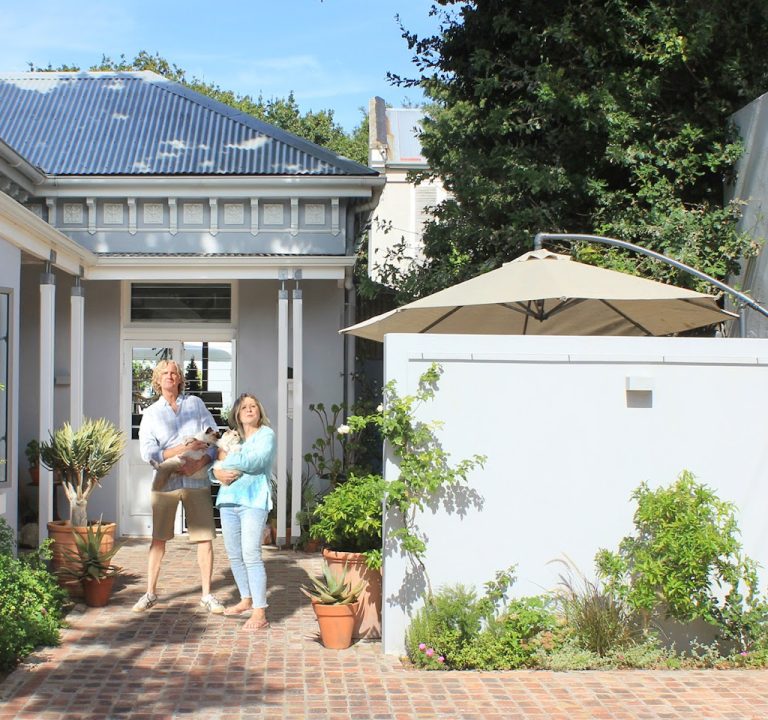
For those planning to base their stay around a blend of sightseeing and relaxation, a thoughtfully chosen guest house can provide an excellent home from home. A property such as Glory Guesthouse—if your travels bring you to the city—offers a flavour of local hospitality within a standard guest house framework, while enabling you to tailor your days between restful spaces and adventures. When possible, explore properties with guest-centric reviews that highlight cleanliness, hospitality, and the attentiveness of the host. Always verify current policies and guest experiences through up-to-date sources or the property’s official website. For further inspiration, official Cape Town tourism resources can help you map routes, seasonal events, and family-friendly activities to complement your accommodation choice and planned itinerary.