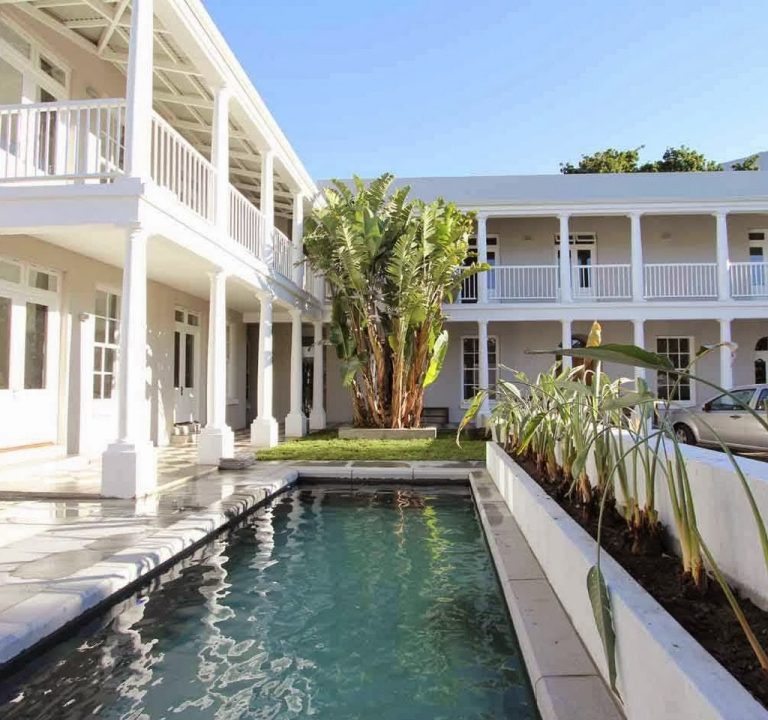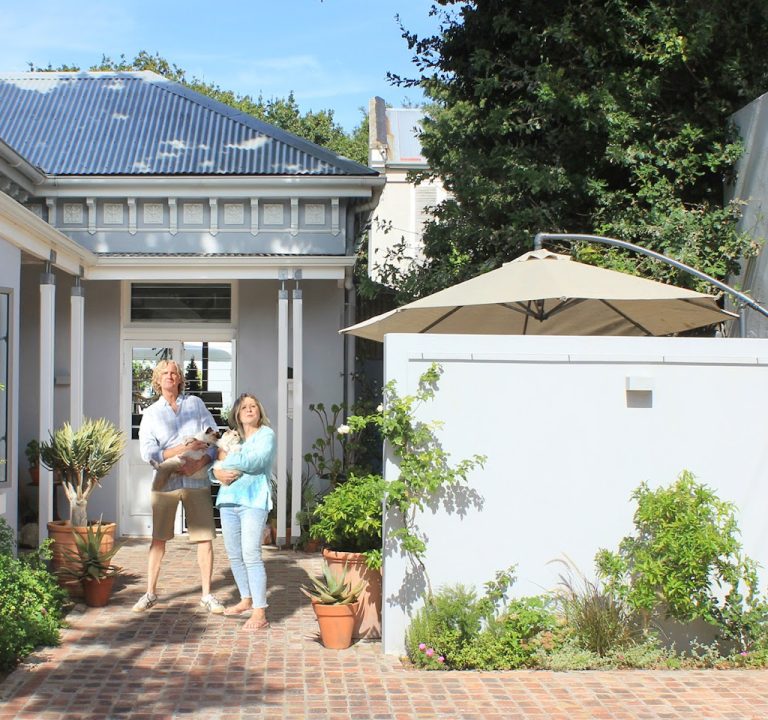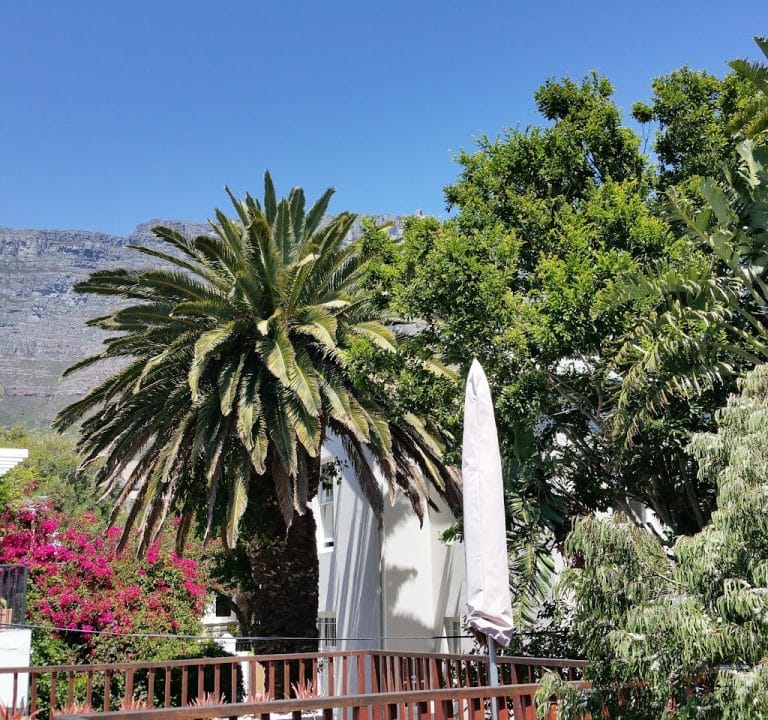
Rustenbosch is a Guest house establishment in Cape Town, Western Cape, South Africa
Rustenbosch, Cape Town: A Traveller‑Friendly Base in the Western Cape
Nestled in the vibrant cityscape of Cape Town, Rustenbosch presents itself as a destination that combines convenience with a sense of place within the Western Cape. Though detailed architectural descriptions are not openly listed on the site, the presence of a dedicated online portal suggests a streamlined approach to guest access and information, with the potential for a personalise travel experience anchored by the property’s local setting.
From a visitor’s perspective, Rustenbosch is positioned as a practical hub for exploring one of South Africa’s most celebrated urban destinations. Guests arriving with plans to explore Cape Town’s mix of coastline, mountains, and cultural neighbourhoods may find value in an accommodation offering that centres on ease of stay and simple access to essential travel information. The site’s design language implies a focus on user‑friendly functionality, likely aimed at helping travellers manage their bookings, view available options, and connect with the property through a central online channel.
Accommodation styles and on‑site amenities are, at present, described at a high level rather than in granular, room‑by‑room detail. As such, prospective visitors should expect a focus on practical aspects of a stay—how to access the property, where to find essential facilities, and what to prepare for ahead of arrival—without speculative claims about exact room configurations or specific amenities. For travellers who prize straightforward booking processes and clear guidance, the site’s emphasis on login access points to a streamlined, self‑serve experience that can be particularly appealing for returning guests or those who prefer to organise elements of their trip online.
Rustenbosch is well placed for guests who value proximity to Cape Town’s dynamic mix of landmarks, markets, and coastal experiences. While the site does not enumerate a comprehensive list of nearby attractions, the surrounding area of the Western Cape is renowned for offerings such as Table Mountain views, Vilakazi‑esque neighbourhoods, and easy access to the Atlantic seaboard. Visitors might expect a short journey to a variety of cultural, culinary, and outdoor activities, depending on the exact location of Rustenbosch within the city’s fabric. For travellers, this means potential flexibility to base stays in a single location while exploring a wide radius of Cape Town’s highlights.
Booking and travel tips gleaned from general best practice for similar properties include the following considerations, useful for any prospective guest planning a stay in Rustenbosch:
- Review the official site for the most accurate information on room types, rates, and any seasonal offers.
- Check policies related to check‑in and check‑out times, as well as any requirements around deposits or cancellations.
- Look for information about on‑site facilities, such as dining options, parking, Wi‑Fi availability, and accessibility features, if applicable.
- Explore the website for guidance on nearby dining, markets, and transport links to help plan daily itineraries.
- Consider contacting the property through the site’s official channels for bespoke requests or to confirm specific needs, such as accessible access or co‑ordinating arrivals with local experiences.
- Keep an eye on user reviews and updated content on the site or affiliated booking platforms to gauge consistency in guest experience.
For travellers seeking authentic, visitor‑friendly experiences in Cape Town, Rustenbosch represents a gateway to a convenient stay within a city famed for its natural beauty and urban energy. The available online presence signals a modern approach to hospitality that favours direct communication and clear information flows, supporting a smooth planning process from initial interest to final booking. Although the exact on‑site offerings are not exhaustively detailed on the homepage, the emphasis on accessible online management points to a lodging option that can cater to varied itineraries—from business trips to leisure escapes—and to guests who appreciate a straightforward, tech‑enabled stay experience.
As the Western Cape continues to attract travellers with its diverse landscapes and rich cultural scenes, Rustenbosch stands as a complementary base from which to discover Cape Town. With proximity to the city’s core attractions and the broader Cape Peninsula, visitors can structure days around iconic photos, market stalls, and sunset coastal walks, returning to a dependable, easy‑to‑navigate lodging platform for rest and renewal. The website URL—http://www.rustenbosch.com/—serves as the primary doorway to further details, booking options, and potential updates on room availability and on‑site services. For those planning a trip, it is worth visiting the site directly to obtain the most current information and to determine how Rustenbosch can best align with individual travel goals.
Cape Town
Western Cape
8001
South Africa
Exploring Cape Town: Accommodation, neighbourhoods and planning tips for a memorable stay
Cape Town is a city of striking contrasts, framed by mountains, sea and a vibrant urban core. When planning a stay, consider not just where you’ll rest, but how you’ll move, what you’ll eat, and which landmarks you’ll want to experience. From intimate guest houses to stylish boutique hotels, the Western Cape’s capital offers a range of options to suit every travel style and budget.
Neighbourhoods to consider. The city centre, known as the City Bowl, is a convenient base for first‑time visitors who want easy access to museums, theatre, markets and dining. Green Point and the foreshore offer a lively mix of modern hotels and guest houses with easy access to the V&A Waterfront, coastal walks and a growing restaurant scene. Camps Bay and Clifton provide a more relaxed, seaside atmosphere with dramatic mountain backdrops and sunsets over the Atlantic. For wine lovers and outdoors enthusiasts, Constantia and the southern suburbs offer leafy, tranquil streets, upmarket guest houses and proximity to world‑class wine estates and hiking trails. If you’re seeking a quieter retreat, the suburban suburbs and private guest houses in leafy enclaves around Southern Suburbs provide a balance of comfort and easy access to the Atlantic Seaboard and the city’s sights.
Accommodation styles and what to look for when booking. Cape Town’s assortment ranges from coastal guest houses and boutique hotels to self‑catering apartments and villas. When choosing where to stay, consider:
- Proximity to planned activities: If you’ll be exploring Table Mountain, the V&A Waterfront, or the Constantia valley, a base within easy reach will save travel time.
- Access to transport: Look for locations near MyCiTi bus stops, rail links or taxi networks. In many areas, a car offers flexibility, but some streets in historic neighbourhoods are best explored on foot.
- Room layout and amenities: En suites, air conditioning, reliable Wi‑Fi, secure parking, and a welcoming common area can significantly improve comfort for longer stays.
- Hospitality and atmosphere: Guest houses often offer personalised service, breakfast options and intimate spaces, while larger hotels provide on‑site facilities such as gyms, pools and 24‑hour reception.
Typical amenities you may encounter. Expect a mix of comfort‑driven features designed for both short breaks and extended stays:
- Contemporary or individual décor with a sense of place, sometimes featuring local artwork or gardens.
- Self‑catering options or inclusive breakfast during your stay, with options for light meals or nearby dining suggestions.
- Outdoor spaces such as courtyards, balconies or rooftops with city or mountain views.
- Wi‑Fi, desk space or seating areas for work or relaxation, and reliable housekeeping services.
- Helpful staff who can provide tailored recommendations for day trips, hiking routes, or restaurant reservations.
Rustenbosch, a guest house in Cape Town, offers a practical example of a stay that can blend comfort with local charm. Website visitors can learn more about the property and its arrangements at the guest house’s official site. When booking a place like Rustenbosch or similar, read recent guest reviews to gauge consistency in service, cleanliness and responsiveness.
Transport and getting around. Cape Town’s geography means some distances can be deceptive—miles of coastline sit alongside steep streets and winding passes. Driving gives you the most flexibility, especially if you plan day trips to the Cape Peninsula, Constantia’s wine routes, or nearby towns. If you prefer not to hire a car, rely on the MyCiTi bus network, ride‑hailing apps, and well‑located guest houses and hotels that are within walking distance of cafés, shops and scenic viewpoints. Always confirm parking arrangements if you’re staying in the City Bowl or smaller guest houses, as space can be limited in busier districts.
The best time to visit. Cape Town has a temperate climate with warm, dry summers and mild winters. Peak tourist season runs from December to February, when beaches and outdoor activities are in full swing. Spring (September to November) and autumn (March to May) offer pleasant conditions for hiking and sightseeing with fewer crowds. If you’re interested in wine estates or gardens, plan for shoulder seasons to enjoy better availability and reasonable prices while still experiencing good weather.
Attractions and dining in general terms. Cape Town’s highlights span natural wonders, cultural landmarks and culinary offerings. Iconic landscape features include the Atlantic coastline, Table Mountain and the scenic drives along the coastal routes. Cultural venues, markets, waterfront promenades and vibrant neighbourhoods showcase a modern, cosmopolitan city with deep historical roots. When planning meals, you’ll find a range of dining experiences from casual cafés to refined restaurants. In every area, look for ventures that emphasise local produce, seasonal menus and friendly hospitality. For a broad sense of where to start, base your days on a mix of outdoor exploration, gallery or museum visits, and opportunities to sample regional wines and seafood specialties at nearby towns and coastal settlements.
Practical planning tips. To make the most of your stay in Cape Town and its surroundings, consider the following:
- Plan a couple of longer days for the peninsula to see the coast, the peninsular viewpoints and penguin colonies if interests align, while leaving the inner city days lighter for museums, markets and cafés.
- Check tides and weather for seaside activities and hiking routes; coastal weather can be changeable.
- Book accommodations with flexible terms during peak periods and ensure clear cancellation policies.
- Pack layers to adapt to ocean breezes and higher elevations on Table Mountain or surrounding heights.
- Respect local guidelines and protected areas, and consider supporting community‑run ventures and small businesses where possible.
Whether you’re drawn to the contemplative calm of a garden guest house, the convenience of a stylish city hotel, or the charm of a boutique stay near the dramatic coast, Cape Town offers a rich canvas for a memorable visit. With careful planning around neighbourhood choice, transport, and a balance of activities and rest, your trip to the Western Cape can be both exhilarating and comfortably relaxing. For more information and a sample stay, explore the Rustenbosch guest house site and other accommodation options that align with your travel style.
Sorry, no records were found. Please adjust your search criteria and try again.
Sorry, unable to load the Maps API.
Why Claim Your Listing?
Claiming your listing on the B&B Finder directory website is a valuable opportunity for business owners. Here are five reasons why you should consider claiming your listings:
Control Over Business Information: By claiming their listing, business owners can ensure that all the information presented is accurate and up-to-date. This includes details such as contact information, address, pricing, and available services or amenities. Accurate information helps prevent customer confusion and improves overall satisfaction.
Enhance the Listing: Once a listing is claimed, owners can enhance it by adding more comprehensive information and rich media, like high-quality photos and videos. These additions can make the listing more attractive and engaging to potential customers, thereby increasing the likelihood of bookings.
Marketing Opportunities: Claiming a listing can also open up additional marketing opportunities. Owners may be able to participate in promotional campaigns, special offers, and other marketing activities organized by the directory. This can increase visibility and attract more customers to the business.