Cape Town: Accommodation and Planning Your Stay
Cape Town blends natural beauty with a vibrant urban atmosphere, making it a captivating destination for a short break or a longer exploration. When planning your stay, consider the neighbourhoods and the type of experience you want, from sea views and easy city access to tranquil winery visits and hillside escapism. A well-chosen base can cut travel time and maximise your time for sightseeing, dining and leisurely strolls along the coast or in historic streets.
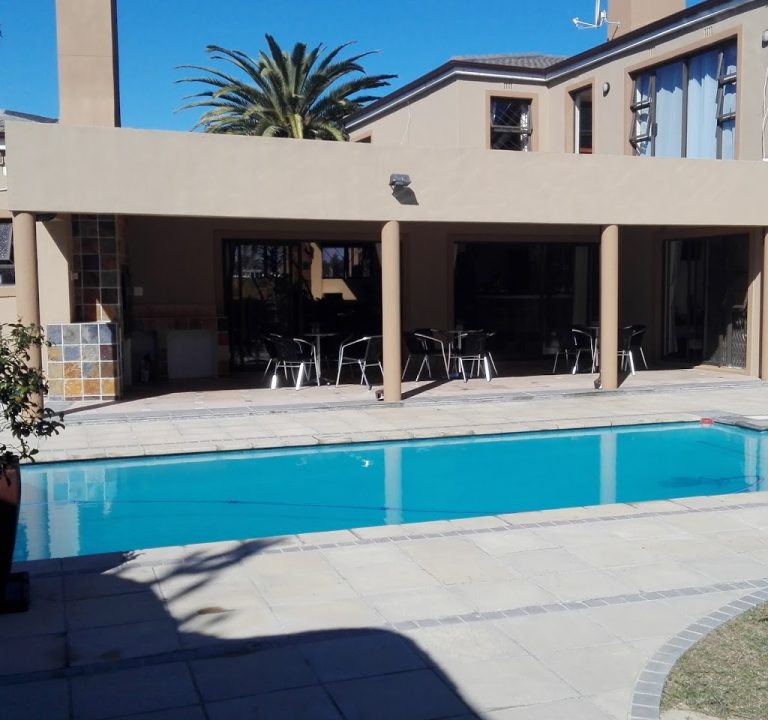
For travellers seeking personalised stays, guest houses such as Therato Guest House offer a home-from-home vibe with the comfort of private rooms and shared common spaces. These smaller properties often provide helpful local insights, flexible breakfast options, and a more intimate feel than larger hotels. If you prefer modern conveniences with a touch of luxury, boutique hotels in central districts can deliver stylish interiors, excellent service and easy access to the city’s cultural highlights.
When deciding where to stay, think about accessibility. The City Bowl area is convenient for museums, markets and dining, while the V&A Waterfront provides a scenic harbour setting and easy links to boat trips. The Atlantic Seaboard, including Camps Bay and Clifton, is renowned for beachfront scenery and sunset views, though it tends to be pricier and more relaxed in the evenings. Constantia offers a wine-and-country ambience, ideal for day trips and leafy inns. If you need quick access to major sights while staying close to public transport, a central or Green Point base often balances walkability with transit options.
Typical amenities you might look for include reliable WiFi, parking facilities (on-site or secure street parking), daily housekeeping, en-suite bathrooms, air conditioning, and options for self-catering or breakfast. Many guest houses in Cape Town also provide shared terraces, well-equipped kitchens, and lounge areas where guests can mingle or plan their next day’s adventures. It is worth checking whether the property offers a home-cooked breakfast with local ingredients, as this can be a lovely way to start busy sightseeing days.
Transport around the city is straightforward but varies by area. In central districts, you will often be within walking distance of cafés, markets and museums, with rideshares and buses as convenient options for longer legs. MyCiTi buses connect to major attractions and can be a cost-effective choice for visitors; rental cars are popular for exploring beyond the city, such as the Cape Point and Constantia Valley routes. If you plan winery visits, see whether your accommodation can arrange transfers or provide guidance on convenient tours. Safe, well-lit streets are common in residential areas, but it’s always sensible to confirm security arrangements and travel logistics upon arrival.
The best time to visit Cape Town depends on what you want to do. Spring (September to November) brings colourful gardens and blooming landscapes, while autumn (March to May) offers mild weather and thinner crowds. Summer (December to February) is peak season, with long days, beaches and outdoor happenings, but higher prices and busier streets. Winter (June to August) tends to be cooler and wetter, yet the city’s indoor attractions, markets and wine routes remain popular. Pack layers for the changeable coastal climate and plan outdoor activities for the sunniest windows of each day.
When planning an itinerary, balance iconic sights with experiences that celebrate local life. Natural attractions such as a cable car or hiking routes on Table Mountain, scenic beaches along the Atlantic coast, and rugged coastal viewpoints make memorable days. Cultural and historic attractions, from art galleries to neighbourhood markets and historic sites, offer insight into Cape Town’s diverse heritage. For dining, aim to explore a mix of casual eateries and refined restaurants that showcase fresh, regional ingredients. In busy districts, it’s wise to book for popular spots or visit during traditional mealtimes to avoid queues.
Sample planning tips to help you organise your stay:
- Define your priorities—views and proximity to the water, urban exploration, or countryside escapes.
- Check proof of a comfortable bed, private bathroom, reliable WiFi, and options for breakfast if you value convenience.
- Assess transport needs early—whether you will rely on rideshares, public transport, or a rental car.
- Consider a mix of day trips and city days to avoid fatigue and maximise variety.
- Book ahead for peak periods and be mindful of seasonal price variations.
Beyond accommodation, Cape Town offers a wealth of experiences. You can expect to encounter scenic viewpoints, markets featuring local crafts and foods, and a dining scene that ranges from casual cafes to contemporary, chef-led venues. For a balanced stay, pair your lodging with neighbourhood walks, harbour glimpses, and short trips to nearby areas for a broader sense of what the Western Cape has to offer. Always verify cancellation policies and the latest travel guidance when booking, and keep a small plan B ready for rainy days or changes in travel conditions.
Useful resources include official tourism sites and local welcome guides that cover safety tips, public transport routes, and seasonal highlights. For those planning a multi-night stay, pairing a central base with a countryside or wine-region excursion can be a rewarding approach, giving you both the energy of the city and the tranquillity of the surrounding landscapes. With thoughtful planning, your Cape Town visit can be comfortably-paced, culturally rich and filled with the kind of memorable moments that stay with you long after you depart.