Discover Cape Town: Stay, See and Savour
Cape Town, set between the Atlantic Ocean and the iconic Table Mountain, offers a diverse choice of places to rest your head, from characterful boutique B&Bs and stylish self-catering escapes to family-friendly guesthouses and contemporary hotels. When planning a stay, consider both your preferred neighbourhoods and the pace you want for your visit. The city is easy to navigate on public transport, but it rewards guests who balance time between the hustle of the city centre, the scenic edge of the Atlantic Seaboard, and the quieter, leafy suburbs inland.
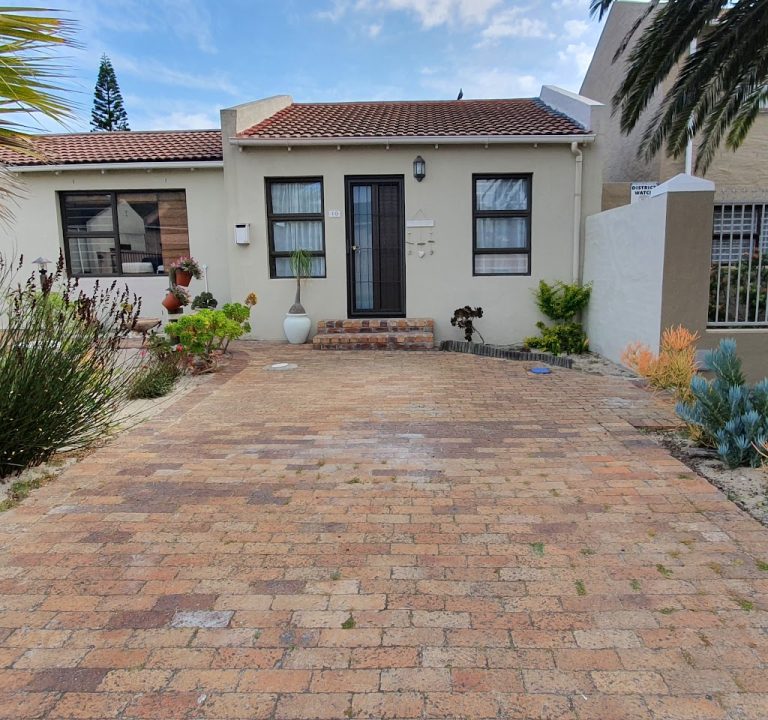
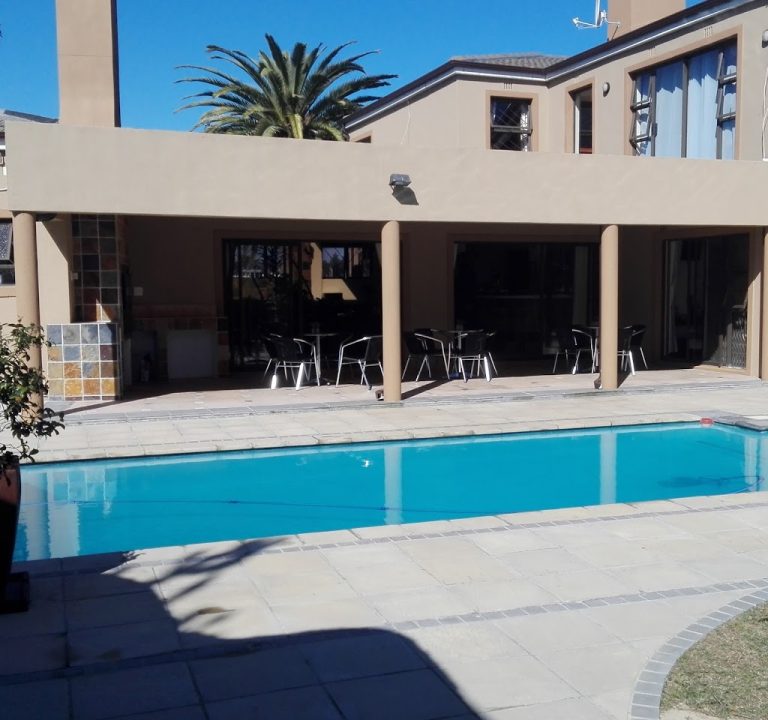
For many visitors, self-catering options provide flexibility to dip in and out of days at your own pace. Nat-Art Accommodation specialises in self-catering stays that combine a cosy home-from-home ambience with convenient access to Cape Town’s highlights. Their properties offer well-equipped kitchens, comfortable living spaces and parking where available, making it easier to tailor your days around personal interests. You can learn more about such options through the official site: Nat-Art Accommodation.
Where to stay largely depends on what you want to be close to. The central City Bowl puts you within walking distance of museums, markets and culinary scenes, with rapid access to the mountain routes for crisp morning hikes. The Atlantic Seaboard, including areas along the coastline, offers sea views, longer strolls along promenades and a more relaxed, resort-style atmosphere. Constantia and the Southern Suburbs provide a taste of wine country, with leafy streets and easy access to hiking trails. For those seeking a cosmopolitan buzz with a dash of history, Bo-Kaap, with its colourful streets and cultural ambiance, provides a distinctive base while staying near the heart of the action.
Typical amenities you might expect when booking in Cape Town range from dependable Wi‑Fi and well-equipped kitchens to on-site parking, laundry facilities and 24‑hour reception or on-call assistance at larger hotels. Boutique properties often emphasise thoughtful design, personalised service and proximity to top dining options. If you are travelling with family or a group, look for multi-bedroom layouts, secure access, flexible check‑in arrangements and outdoor spaces where you can unwind after a day on the go.
Transport is straightforward for most visitors. The MyCiTi bus network covers several parts of the city and can connect you to major attractions and the waterfront. Taxis and ride‑hailing services are widely available, and many guesthouses and smaller hotels offer shuttle arrangements or parking on site. If you plan day trips to the Cape Winelands or beyond, check whether your accommodation can help with airport transfers or private car hire, as this can save time and reduce hassle when you are on a tight itinerary.
Best time to visit Cape Town is subject to personal preferences. The city enjoys mild springs and warm summers, with peak outdoor appeal from late spring to early autumn. Weekday mornings can be ideal for sunrise walks up or around Table Mountain or along the coast, while evenings reveal a thriving dining scene and cultural events. If you enjoy quieter streets and more affordable rates, shoulder seasons can offer good value and a gentler pace without compromising access to major sights.
When planning activities, a blend of nature, culture and cuisine helps create a well-rounded stay. Iconic landscape viewpoints and coastal walks are a given, but you can also expect to discover local markets, galleries and small theatres that celebrate both contemporary and traditional arts. In the city itself, guided tours—whether focused on history, architecture or food and wine—offer a structured way to absorb the neighbourhoods you are visiting. For a flavour of the broader region, day trips to the winelands, coastal towns, and nature reserves can be a memorable addition to your itinerary. Restaurants in Cape Town span casual eateries, Ocean‑front venues and fine‑dining spaces, all offering seafood, South African favourites and international flavours, with the emphasis on fresh ingredients and seasonal produce.
Booking considerations can shape your stay as much as the property itself. When evaluating options, consider:
- Location relative to the activities you plan to enjoy and the level of convenience you want for meals or exploring on foot
- Kitchen facilities or on-site dining options if you prefer self‑catering or a hospitalty mix
- Privacy, security, and parking availability
- Proximity to transport links and the frequency of services
- Guest reviews and consistency of service, especially regarding cleanliness and responsiveness
- Whether the property offers flexible check‑in/out times and clear guidance for day trips
Practical tips to help you have a smoother stay include planning ahead for popular periods, booking early for sought-after neighbourhoods, and confirming any special requests well in advance. Pack layers to cope with changing coastal weather, and allocate a little time to settle in before heading out to explore. If you are staying in a self‑catering property, make a short plan for groceries and a couple of go‑to easy meals so you can enjoy evenings without needing to search for places every night.
Cape Town rewards curiosity with a mix of landscapes—from oceanfront promenades to table‑top adventures and vibrant street life. A well‑chosen base makes it even easier to balance restful downtime with active days, letting you return to your accommodation each evening feeling settled and refreshed. Whether you choose a stylish apartment, a charming B&B or a modern hotel, the city’s hospitality scene is well equipped to help you tailor your stay to your interests and pace.