Experiencing Cape Town: where to stay, what to plan, and how to make the most of your visit
Cape Town in the Western Cape blends dramatic scenery, vibrant neighbourhoods and a wide range of accommodation that suits all travellers, from quiet, countryside stays to lively city pads with easy access to key attractions. When planning a stay, think about what you want to see, how you prefer to move around, and the kind of atmosphere that will help you unwind after a day of exploring the city and its surrounds.
Accommodation options vary from stylish guest houses to modern boutique hotels, self-catering apartments to family-friendly lodges. A popular choice for many visitors is a guest house in a central or scenic neighbourhood, combining personalised service with a comfortable, home-from-home feel. For a beach-forward stay, areas along the Atlantic Seaboard offer sea views, easy access to white-sand beaches and glamorous dining. For family holidays or tranquillity amid green spaces, Constantia and surrounding winelands provide leafy estates, privacy and close proximity to gardens and hiking trails. If you’d like a vibrant urban base, the City Bowl and nearby areas provide cafés, markets, and cultural venues within strolling distance of your doorstep.
When choosing where to stay, consider several practical factors. Proximity to the places you plan to visit saves time and reduces transport costs. Safe, well-lit neighbourhoods with reliable transport links tend to enhance your overall experience. Look for hosts or properties that provide clear check-in instructions and a helpful welcome guide, including public transport routes and local tips. If you prefer a self-contained experience, ensure your accommodation offers a private entrance and reliable kitchen facilities or on-site dining options. Quick access to a supermarket or market can be especially convenient for longer stays.
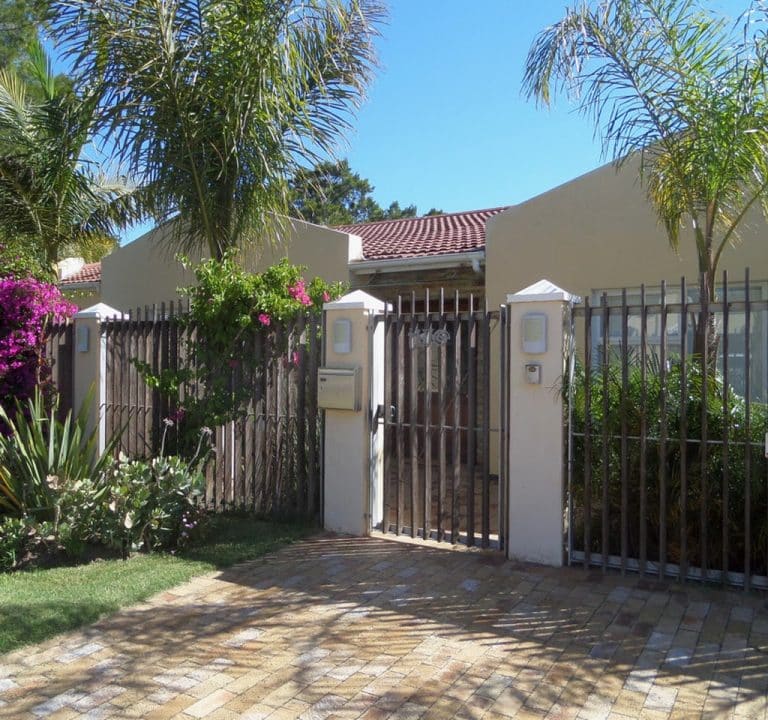
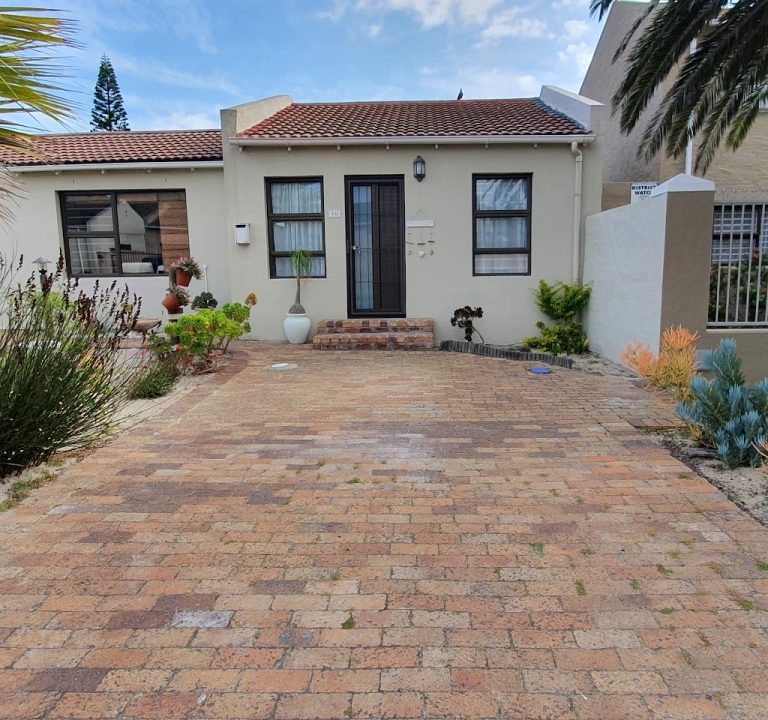
Typical amenities you might encounter include free Wi‑Fi, filtered or private bathroom facilities, daily housekeeping options, and secure parking. In guest houses like Eagles Rest, guests often enjoy a personalised touch, attentive hosts, and the chance to meet fellow travellers, even when staying in a quiet, comfortable room. Properties may feature common lounges, outdoor spaces with seating or a garden, and in some cases, a small pool. Check whether rooms have air conditioning or ceiling fans, as Cape Town’s climate can vary by season and altitude. For longer stays, a well-equipped kitchenette or kitchenette-friendly units can be a real advantage.
Transport is a practical consideration. The MyCiTi bus network offers affordable city-wide routes, while rideshare apps provide convenient door-to-door access for evenings out or when you are travelling with luggage. If you plan day trips to scenic spots such as the Cape Peninsula, Kalk Bay, or the Cape Winelands, you might prefer to hire a car or join a guided tour. Your choice will depend on how much you wish to drive, your comfort with urban streets, and the distances between your lodging and the places you want to visit. When in doubt, select accommodations with easy access to main roads or public transport hubs and ask your host for the best local routes and travel tips.
The best time to visit Cape Town stretches from late spring to early autumn (roughly September to April), when the days are longer and the coastline is inviting. Winter, from May to August, can be cooler and windier, yet it often brings fewer crowds and excellent surfing conditions along parts of the coast. Spring and autumn are pleasant shoulder seasons with mild weather, making them popular with hikers, wine lovers, and culture enthusiasts. Water temperatures can be chilly year-round, so pack a wetsuit if you plan serious coastal activities or boat trips.
When planning activities, mix iconic sights with less-crowded experiences. The iconic Table Mountain is a must-see, naturally, but do allow time for a cable car ascent if weather is clear, or a guided hike if you prefer a closer encounter with the landscape. Robben Island, Robben Island Museum and guided tours provide historical context about the area. The Cape Point nature reserve, Kirstenbosch National Botanical Garden, and the penguin colonies at Boulders Beach offer memorable day trips. A stroll along the V&A Waterfront is a gateway to shopping, casual dining, and waterfront ambiance without committing to a single attraction. In residential areas and markets, you’ll find art studios and local crafts, giving you a sense of the city’s creative side without needing formal tours.
Restaurant options range from informal cafés and bistros to refined dining rooms emphasising fresh seafood, local produce, and cosmopolitan flavours. In Cape Town, you’ll encounter vibrant diversity in cuisine, often with an emphasis on sustainable, seasonal ingredients. Booking ahead for popular spots is wise, especially during peak seasons, and many venues offer tasting menus or daily specials reflecting local harvests and the city’s multicultural flavours. For a relaxed evening, choose venues with outdoor seating or warm interiors where you can enjoy the city’s evening breeze after a day of sightseeing.
Consider this short starter checklist for planning your stay:
- Define your base: City Bowl for central access, Atlantic Seaboard for beaches, Constantia for hillside calm and winelands proximity.
- Check access to transit: proximity to MyCiTi routes or parking facilities if hiring a car.
- Assess the inclusions: wi‑fi, breakfast, kitchen facilities, and daily housekeeping that fit your itinerary.
- Plan well in advance for peak season visits and long weekends.
- Ask hosts for insider tips on safe, scenic drives and quiet neighbourhoods for evening strolls.
For a sample stay that blends warm hospitality with convenient access to Cape Town’s attractions, consider an establishment like Eagles Rest—a guest house that offers a comfortable home environment and thoughtful amenities. You can explore more about such options at their website: Eagles Rest.