Accommodation and Experiences in Cape Town, Western Cape
Cape Town offers a diverse range of places to stay, from stylish boutique hotels and guesthouses to self‑catering apartments and lodges set against dramatic coastal and mountain backdrops. When planning a stay, it helps to think about what you want to access most: coastline, city life, dining, or easy access to hiking and wine country. The city is compact enough to feel walkable in many neighbourhoods, yet varied enough to reward a longer visit with new discoveries every day.
Areas to consider
Cape Town’s neighbourhoods each have a distinct vibe. The City Bowl and the central historic precincts are convenient for those who want to be close to museums, markets, and a buzzing cafe scene. The Atlantic Seaboard, including areas such as Camps Bay and Bakoven, offers breathtaking beaches and sunset views, often with cliff-top walks nearby. Green Point and the V&A Waterfront provide proximity to the harbour, waterfront promenades, and good transport links. For a leafy, cellar-door experience and easy access to Constantia’s wine routes, look to the southern suburbs. If you’re mindful of safety and access to the social scene, stay in well‑regulated, well‑reviewed accommodation in established neighbourhoods, and ask hosts or concierges about safe routes back after evening outings.
What to look for when booking
- Location relative to your planned activities: consider whether you want sea views, proximity to Table Mountain’s cable car, or easy access to markets and tram or bus routes.
- Type of stay: boutique hotels offer a blend of style and service; guesthouses and lodges can deliver a more personalised, homely feel; self‑catering apartments provide flexibility for families or longer breaks.
- Amenities: reliable Wi‑Fi, secure parking, en‑suite bathrooms, air conditioning, and breakfast options are common. Some properties arrange guided walks, harbour tours, or private tastings—great for a streamlined itinerary.
- Transport access: check if the property is near a MyCiTi bus stop, train station, or Uber/ride‑hailing access, and whether nearby streets are pedestrian‑friendly at night.
- Safety and reviews: read recent guest feedback and verify what the establishment does to ensure guest safety, including well‑lit entrances and 24‑hour reception if available.
- Flexibility and policies: look for clear cancellation terms, especially if your plans may change with weather or family needs.
Typical amenities and staying well mounted for travel
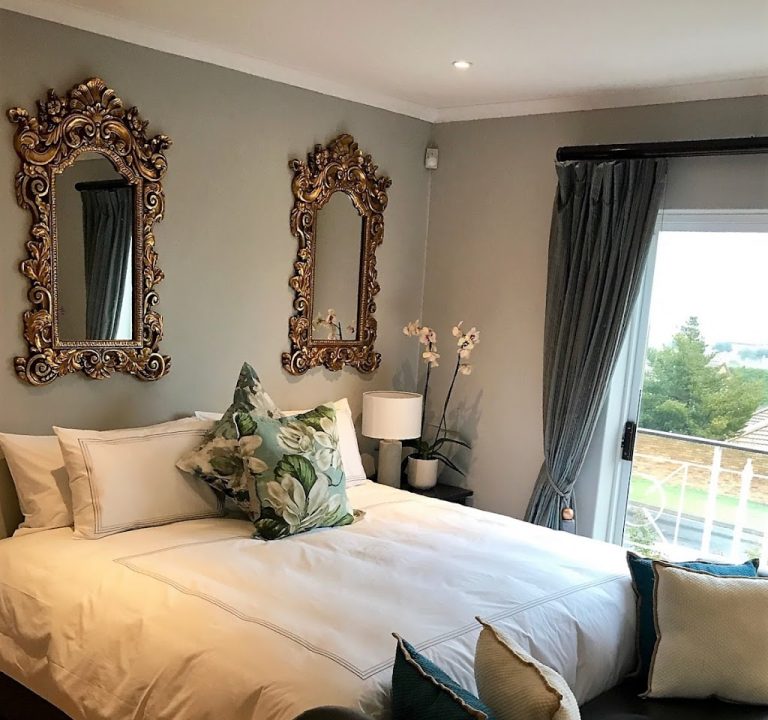
Many Cape Town accommodations go beyond basics. Expect comfortable beds, quality linen, coffee or tea facilities, and thoughtful touches like local map libraries, curated recommendations, and sometimes in‑room workspaces. Breakfast may be continental or offer hot options, with some places hosting communal dining spaces or rooftop terraces. Self‑catering options might include a kitchen or kitchenette, making it easy to manage meals after a long day of exploring. In addition, several properties offer transfer arrangements from airports or train stations, which can simplify your arrival.
Transport, getting around, and practical planning
- Public transport: MyCiTi buses are a practical option for many routes, including the city centre and along the Atlantic Seaboard. Taxis and ride‑hailing services are widely available.
- Driving: having a car offers great flexibility for exploring wine routes in Constantia or the scenic coastal drives, but some central areas are best explored on foot or by taxi for convenience.
- On foot and biking: several neighbourhoods are pedestrian‑friendly and lined with cafés, markets, and viewpoints, making a gentle stroll around the perimeter of Table Mountain or the harbour highly rewarding.
- Planning climate and crowds: spring and autumn bring pleasant temperatures and fewer crowds, while midsummer sees peak activity along beaches and waterfronts. Winter can be cooler and wetter, but the city remains vibrant with indoor attractions and fewer queues at popular sights.
Best time to visit and practical tips
- Shoulder seasons (September–November and February–April) typically offer pleasant weather and calmer streets, ideal for accommodation with sea views or hillside positions.
- If you prioritise beach days, plan around calmer seas and reliable sunshine in late spring or early autumn.
- Pack layers: mornings and evenings by the coast can be cooler, even when daytime temperatures rise.
- Reserve ahead for popular periods and known viewpoints; Cape Town’s lodgings can book up quickly during holiday periods.
- Respect local guidelines and neighbourhood norms, especially in residential areas used for short‑term stays.
Attractions and experiences in broad terms
Cape Town’s appeal spans nature, culture, and cuisine. Iconic viewpoints and trails are complemented by a rich coastal and harbour life. In the city, you can explore markets, museums, and heritage sites. The nearby Cape Peninsula offers scenic drives, nature reserves, and dramatic coastlines. Expect a thriving dining scene with a mix of modern eateries and traditional South African fare, along with wine tastings and cellar tours in the nearby winelands. For a balanced itinerary, pair mornings on Table Mountain or Boulders Beach with afternoons in markets or along the V&A Waterfront, followed by sunset gazing from a hill or coastal path.
Examples of accommodation to consider
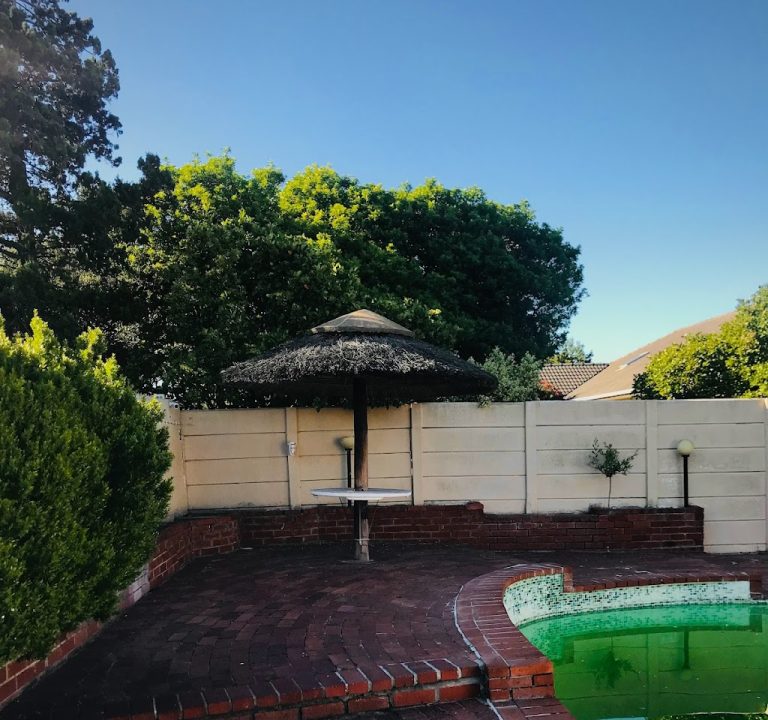
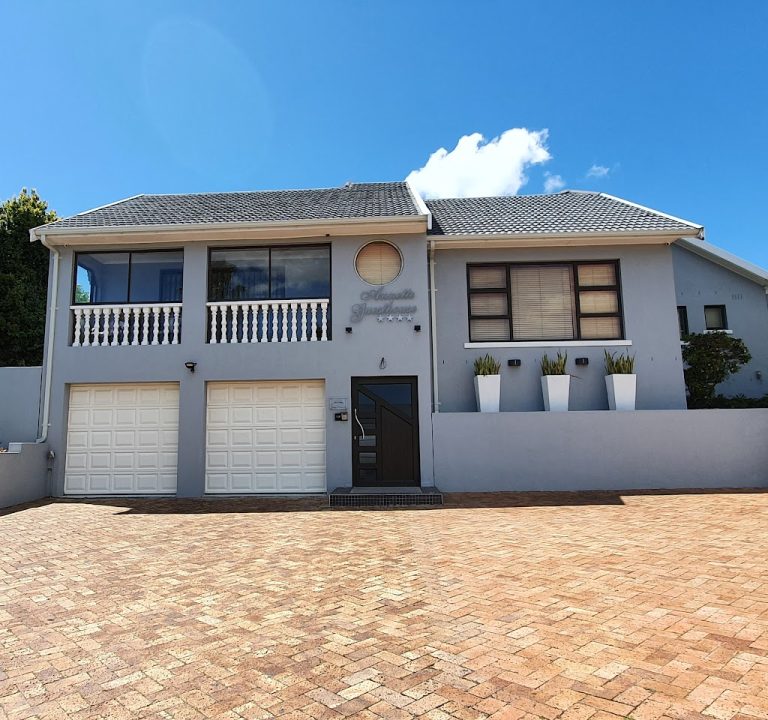
Gest House Cape Town is one sample among a variety of guesthouses and hotels in the city, offering a chance to experience local hospitality in a well‑placed setting. When you shortlist options, compare room layouts, breakfast formats, and access to common spaces that suit your travel style.
Useful links
- Official tourism information and ideas: https://www.capetown.travel
- Local transportation information: https://www.myciti.org.za
In summary, Cape Town makes it easy to tailor a stay to your interests—whether it’s sea and mountains, food and wine, or culture and markets. With careful planning around location, amenities and transport, you can build a comfortable base from which to discover the Western Cape’s dynamic mix of experiences.