Exploring Cape Town: Where to Stay and What to Do
Cape Town blends dramatic scenery with a cosmopolitan atmosphere, making it a standout destination for travellers seeking a mix of beaches, mountains, history and culture. When planning a stay, think about what you want from your base—whether it’s access to iconic sights, a quiet seaside retreat, or a vibrant urban neighbourhood with bars, cafés and markets within easy reach. Cape Town offers a range of accommodation styles to suit different travellers, from stylish boutique guesthouses to self‑catering apartments that feel like a home from home.
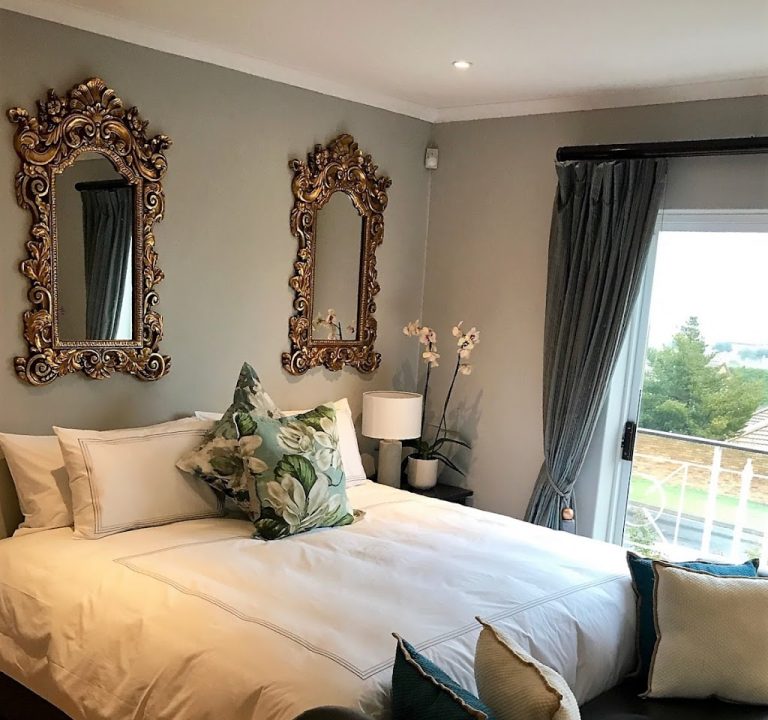
One appealing option for longer stays or families is a self‑catering venue. These properties provide a little more flexibility to cook meals, wash day‑to‑day laundry and enjoy a private space after a day out exploring. In Cape Town you’ll find everything from compact studios to spacious multi‑bedroom homes perched on hills with sweeping views. Whether you choose the Atlantic Seaboard, the Constantia valley, or the city’s inner districts, a self‑catering stay can be a practical base for explorers who want to balance sightseeing with downtime on their own schedule. For example, properties such as Butler Mansion offer dedicated living spaces, well‑equipped kitchens and the privacy of a home away from home, while staying close to major attractions and transport links. Visit the property’s website for details on layout, facilities and availability.
Where you stay matters as much as what you do. In Cape Town, consider these areas when planning your itinerary and booking decisions:
- V&A Waterfront and the central city: easy access to tours, harbour excursions, museums and performance venues, with a wide range of dining and shopping options.
- Green Point and the Atlantic Seaboard: close to beaches, promenades, iconic viewpoints and a lively dining scene, with many modern apartments and guesthouses.
- City Bowl and Bo-Kaap: a historic neighbourhood with characterful stays, colourful houses and a gateway to mountain trails and city walking tours.
- Constantia Valley: more tranquil, leafy streets and hillside villas, ideal for guests seeking wine estates, scenic drives and nature‑based activities.
When booking, pay attention to a few practical details. Look for clear indications of cleanliness standards, reliable Wi‑Fi if you need to stay connected, and a kitchen or kitchenette that suits your cooking needs. A private entrance, secure parking, and easy access to public transport can reduce morning stress, while a guestbook or host recommendations can help you plan days in the city with confidence. If you are travelling by car, consider properties with on‑site parking or nearby secure spaces, as some central areas have restricted zones or limited street parking. For longer visits, check washing facilities and laundry services or a unit with in‑suite facilities to keep laundry days simple.
Typical amenities you may encounter include en‑suite bathrooms, comfortable living spaces, good natural light, and a well‑equipped kitchen or kitchenette. Many properties offer cleaners a couple of times a week, linen changes, and secure access. A comfortable workspace can be valuable for travellers who mix work and leisure. In terms of transport, Cape Town is well serviced by public buses and a growing network of ride‑hailing options. Proximity to MyCiTi or other bus stops can be a timesaver for trips to the city centre or to table‑level attractions on the coast. For day trips, staying near transport hubs or tour pickup points can simplify your plans.
The best time to visit Cape Town depends on your priorities. Late spring and autumn offer mild weather and fewer crowds, which is ideal for hiking in Table Mountain National Park or visiting the city’s steep streets and markets. Winter brings cooler temperatures and the possibility of rain, but it can be a good time to explore the city’s museums, cafés and indoor attractions. Summer is peak season, especially along the coastline, with longer daylight hours and a busier calendar of outdoor events. If you plan to visit the Cape Winelands or coastal towns, booking ahead in peak periods is advisable, but Cape Town’s diverse neighbourhoods still offer a rich range of experiences at any time of year.
When planning activities, you don’t need to decide everything in advance. A flexible approach allows you to mix outdoor adventures with city‑centre discoveries. Potential days might include a scenic drive along the coast, a cable‑car ride up Table Mountain or a guided walk through historic districts. In the evenings, you can explore a range of dining options—from casual bistros to elegant restaurants offering West African and European‑inspired menus—without committing to a single signature venue. For those seeking a balanced itinerary, pairing a nature day with a cultural or culinary experience can provide a well‑rounded flavour of Cape Town.
For accommodation options, consider a reputable self‑catering base that offers a sense of privacy alongside convenient access to amenities. Butler Mansion, a self‑catering property in Cape Town, provides an example of how a thoughtfully designed space can support a comfortable stay while you explore the wider region. To learn more about what a self‑catering stay at this property includes and how it could fit your plans, visit Butler Mansion.
In planning your trip, always check travel advisories, local opening hours, and any seasonal considerations that may affect your activities. With careful selection of your base and a flexible approach to sightseeing, a visit to Cape Town can be a memorable blend of relaxation, discovery and life‑affirming scenery.