Cape Town: Accommodation, Attractions and Practical Tips for a Memorable Stay
Cape Town, in the Western Cape of South Africa, offers a diverse mix of stays from stylish city apartments and cosy guesthouses to expansive self-catering retreats. When planning a visit, consider staying in different neighbourhoods to experience the city’s varied character: the compact, walkable City Bowl for easy access to museums and nightlife; the Atlantic Seaboard for beaches and dramatic coastal views; or Constantia and the southern suburbs for vineyard landscapes and quieter streets. The choice of base can shape your itinerary, dining options and daily travel time.
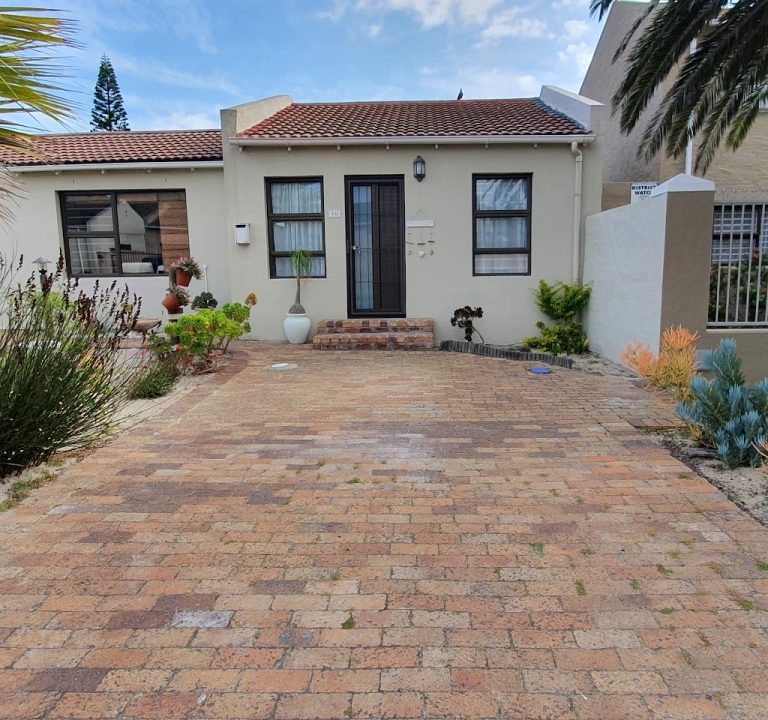
Self-catering options such as 10 on Ou Kraal provide independent living with kitchen facilities, often well suited to families or travellers who prefer a home-from-home rhythm. In larger groups or longer trips, a self-catering unit can offer flexibility to enjoy Cape Town’s best natural settings while saving on meals. When booking, look for clear photos of living spaces, reliable Wi‑Fi, tidy kitchens, sufficient storage and convenient access to transport links. If a terrace or enclosed garden is available, that can be a welcome addition for morning coffee or an evening wind-down after a day of exploring.
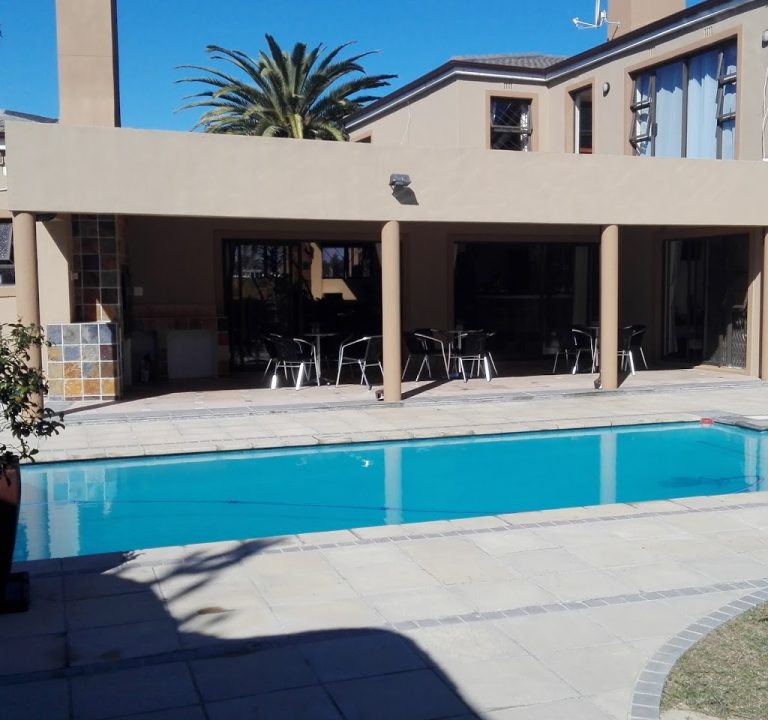
Typical amenities to anticipate include a well-equipped kitchen or kitchenette, a comfortable living area, adequate heating or cooling, secure parking if you plan to hire a car, and clear information about local transport options. Many self-catering properties in Cape Town offer access to communal facilities such as a pool or barbecue area, which can be highlights for sunshine-filled days. Check for provisions like fresh linen, towels, cooking basics, and laundry facilities to streamline longer stays. A responsive host or property manager can make a big difference if you need recommendations or help with bookings during your trip.
Transport in Cape Town ranges from convenient door-to-door options to more independent modes. The MyCiTi bus network serves the city centre and major suburbs well, offering a budget-friendly way to reach attractions and beaches. Car hire remains popular for exploring areas such as the Cape Peninsula, Constantia wine routes, and the Hout Bay coastline. If you prefer not to drive, consider a mix of ride-hailing services and organised day tours that focus on scenic drives, wildlife experiences and nature trails. When you do hire a car, plan for parking in busy areas and be mindful of peak traffic times, especially in the City Bowl and along the Atlantic Seaboard during weekends and holidays.
Best time to visit Cape Town is influenced by personal preferences. Spring and autumn (September to November and March to May) offer mild weather, fewer crowds, and comfortable temperatures for outdoor activities. Summer (December to February) brings longer days and vibrant street life, with the beaches at their busiest. Winter (June to August) can be cooler and windier, but it also means fewer crowds and lush, green landscapes following seasonal rains. Pack layers, sun protection, a light waterproof layer for sudden changes in weather, and comfortable footwear for walking up Table Mountain or along the V&A Waterfront promenade.
When planning activities, focus on a mix of natural scenery, cultural experiences and gastronomic treats. Iconic landscapes await at the top of Table Mountain and along the Cape Peninsula’s dramatic coast. World-class gardens and vineyards in nearby Constantia offer scenic day trips, while Kirstenbosch National Botanical Garden provides shaded paths, picnic spots and seasonal blooms. For a sense of Cape Town’s heritage, explore the colourful Malay and Cape Dutch influences in districts such as Bo-Kaap, or wander the historic harbour and waterfront precincts. Those who enjoy coastal scenery can spend time along Camps Bay and Clifton beaches, or embark on a scenic drive to Chapman’s Peak for panoramic Atlantic views. For wildlife watching, Hout Bay and the Cape Point area offer a mix of landscapes and marine life, with opportunities for short hikes and boat trips in appropriate seasons.
Dining in Cape Town ranges from casual harbourside eateries to refined dining with views. Expect menus that celebrate fresh seafood, seasonal produce and regional flavours. In many areas, you can simply stroll to a cluster of eateries after a day of sightseeing, rather than travelling far for a meal. If you prefer planning ahead, many restaurants offer online menus and reservation options on their own websites or through local tourism platforms. For the best experience, combine your meals with a stroll along the waterfront or a sunset stop at a lookout point to savour the city’s dramatic light and sea air.
Practical tips to get the most from your stay:
- Book accommodation with flexible terms when possible, especially in peak seasons or during special events.
- Prioritise properties within a short walk or easy drive of the areas you want to explore to save time in transit.
- Ask hosts about parking, safety tips, and local transport options, including rail, buses and ride-hailing services.
- Plan a balanced itinerary with outdoor days (hikes, coastal walks) and indoor days (museums, galleries, markets) to avoid fatigue.
- Pack layers for changing weather, sunscreen for sunny days, and a lightweight rain jacket for Cape showers.
For inspiration and practical planning, consult reputable travel resources online and consider a mix of experiences—urban exploration, wine-tasting excursions, and sheltered garden visits—to create a well-rounded Cape Town stay. More information can be found through official tourism channels and city guides, which offer up-to-date recommendations on attractions, dining and seasonal events. Whether you’re seeking a cosy self-catering base like 10 on Ou Kraal or a chic apartment with sea views, Cape Town remains a welcoming gateway to some of South Africa’s most memorable experiences. For more details and ideas, visit Cape Town’s official tourism pages or trusted travel guides online.