Cape Town: A guide to accommodation and planning your stay
Cape Town offers a rich mix of scenery, culture and cuisine, with a wide range of guesthouses, B&Bs, boutique hotels and lodges that suit different budgets and styles. When planning where to stay, it is useful to think about what you want to experience most—dramatic coastline, mountain scenery, city culture, or easy access to winelands—and choose a neighbourhood that supports those priorities. A well-chosen base can cut travel time, reduce transport hassles, and put you within easy reach of iconic viewpoints, beaches and restaurants.
Popular areas for visitors include the City Bowl and the Western Cape’s Atlantic Seaboard. The City Bowl offers a central hub with easy access to museums, markets and historic streets, while the Atlantic Seaboard provides picture-perfect beaches, scenic drives and a cosmopolitan dining scene. For wine lovers, Constantia and nearby Constantia Valley offer leafy guesthouses and close proximity to renowned estates. For a more rugged coastal experience, the Atlantic coast north of the city and the southern peninsula villages give dramatic scenery and a slower pace. If you prefer a more intimate, residential feel, a guesthouse in Green Point, Gardens or Oranjezicht can be convenient for both sightseeing and transport connections.
When choosing accommodation, consider the following typical amenities and how they suit your itinerary. Look for en-suite rooms, reliable Wi‑Fi, secure parking or convenient public transport access, and options for self-catering or breakfast. Some guesthouses and boutique hotels provide guest lounges, outdoor terraces, and recommendations for local walks or day trips. If you are visiting during peak tourist seasons, a flexible cancellation policy and early booking are advisable, particularly for smaller properties that offer a personalised experience.
Transport in Cape Town is relatively straightforward but can be uneven outside the city centre. Staying in areas close to MyCiTi bus routes, taxi services, or car hire hubs can save time. If you plan to visit the Cape Peninsula or winelands, a car offers the most independence, though many guesthouses can arrange day trips or guided tours. For shorter stays, a central location with good walkability to attractions and eateries can maximise your time exploring on foot or by short rides.
The best time to visit Cape Town varies with preferences. Summers (roughly November to March) are warm and lively, with long days ideal for beaches and hiking. Winters (April to October) are cooler and drier on the coast, with occasional rain; the city’s indoor attractions, wine routes, and dining scene can feel particularly inviting in this season. Spring and autumn offer temperate weather and fewer crowds, which can be pleasant for outdoor exploring and affordable accommodation options. Always check local events calendars, as festivals and markets can influence availability and pricing.
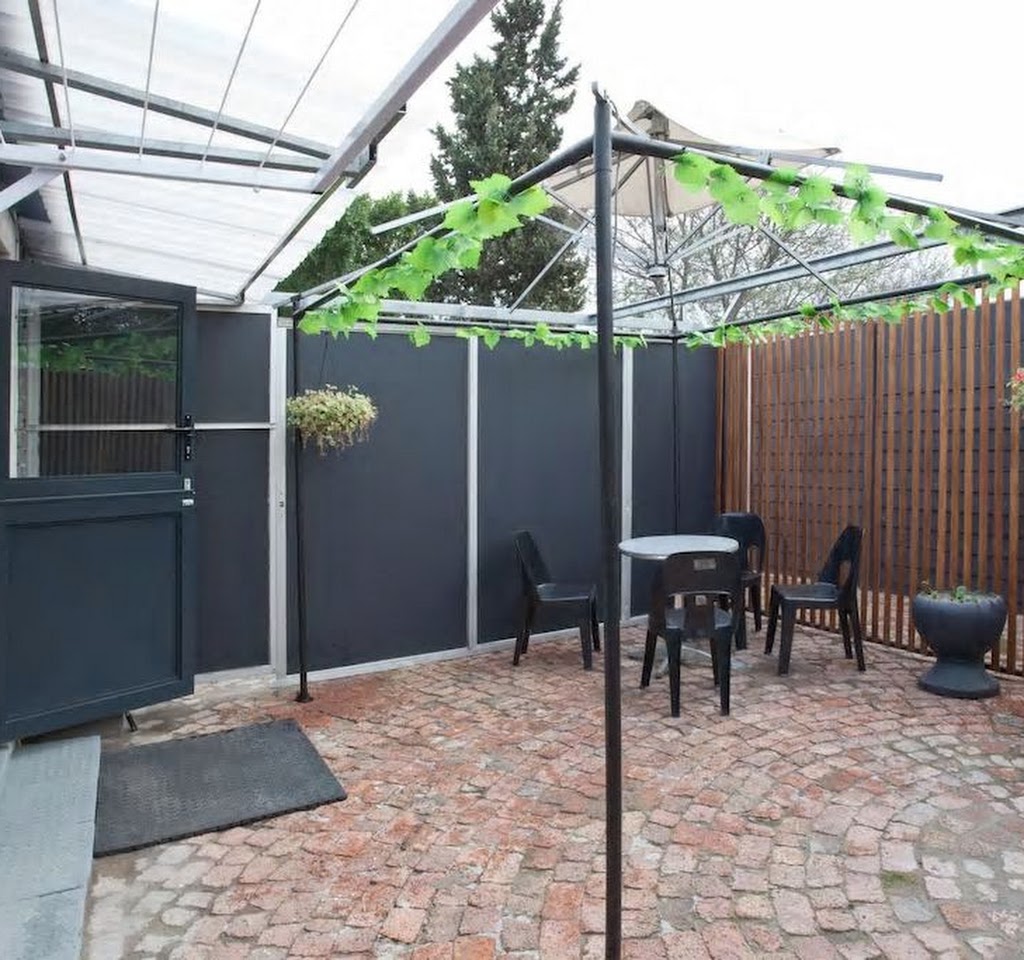
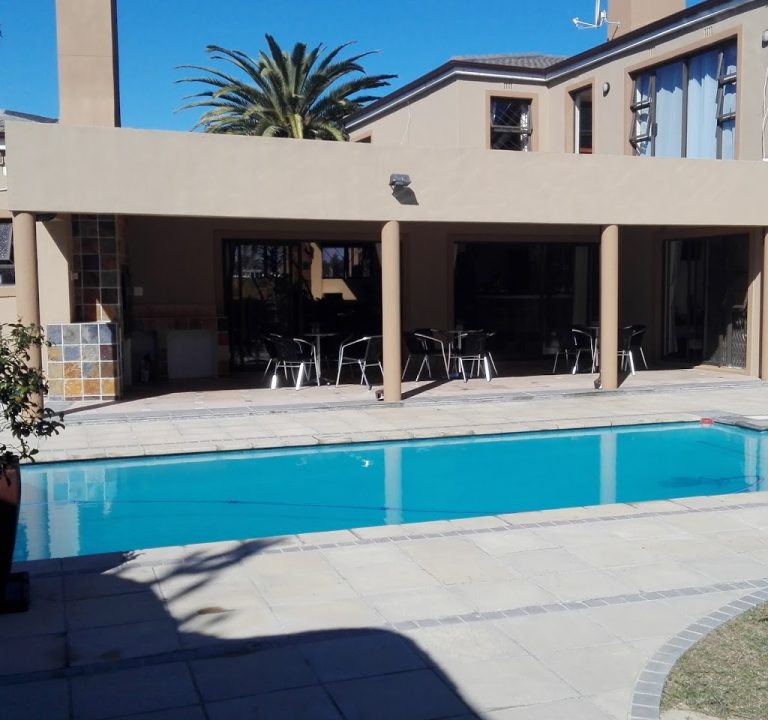
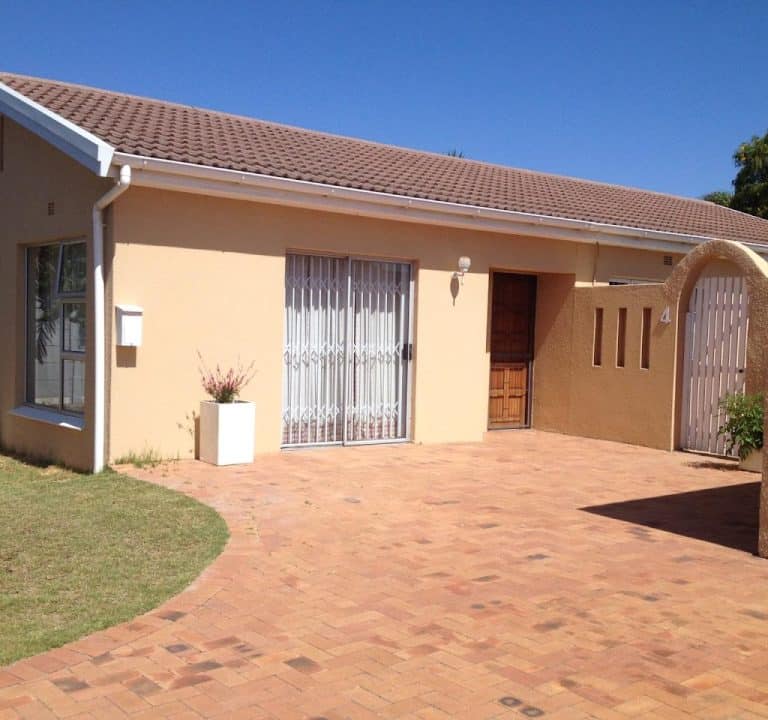
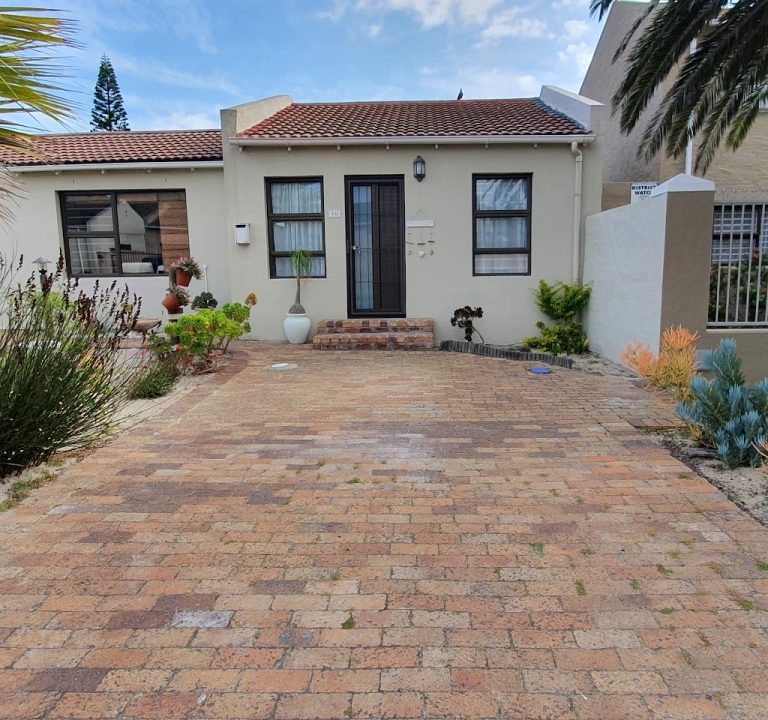
When planning an stay at a guesthouse such as INN DA MOOD Guesthouse, you can expect hosts to provide a personalised welcome, helpful local tips and a sense of neighbourhood character. Guesthouses in Cape Town often balance comfortable private spaces with communal areas where travellers swap notes about experiences, routes and dining. It can be useful to ask hosts for recommendations on quieter beaches, sunset spots, and scenic drives away from the busiest tourist areas.
To make the most of your visit, consider a balanced itinerary that includes natural beauty, cultural insights and culinary experiences. A typical day might begin with a leisurely breakfast at your accommodation, a morning hike or a cable car ride up a mountain viewpoint, followed by a visit to a botanical garden or a museum. In the afternoon, you could explore a historic neighbourhood, browse markets or enjoy coastal scenery along the coastline. Evenings can be spent trying a selection of restaurants, enjoying a table with views, or sampling a variety of small dishes at casual eateries. For day trips, plan ahead for coastal drives, winelands touring, or a marine- or penguin-spotting excursion, depending on your interests.
Accommodations vary widely in Cape Town, from guesthouses with cosy living rooms and private terraces to contemporary hotels with in-house dining and spa facilities. If you are seeking a distinctly local experience, a guesthouse with character and direct engagement from the hosts can offer insights into neighbourhood life, craft markets, and seasonal events. A sample of guesthouses to consider includes properties that emphasise comfort, helpful service, and a sense of place, such as those that provide thoughtful touches in a garden setting or near convenient transport links. For those seeking a modern, self-contained stay, serviced apartments or boutique lodges with kitchenettes can be a good fit.
Practical planning tips:
- Check the location relative to the attractions you most want to visit and the ease of getting around at night.
- Look for clear information about parking, transport access and local safety considerations.
- Review what is included in breakfast or meals, and whether you prefer self-catering options.
- Ask about friendly neighbourhood recommendations, walking routes, and family-friendly facilities if needed.
- Confirm cancellation terms and any deposits, especially for peak seasons or unique properties.
With its spectacular setting between mountains and sea, Cape Town rewards organised planning and flexible exploration. Whether you choose a characterful guesthouse such as INN DA MOOD or a property with modern amenities, you can tailor your stay to the rhythm of the city. Combine comfortable accommodation with thoughtful planning to enjoy everything from iconic viewpoints to vibrant dining streets, and you’ll leave with lasting memories of a truly distinctive South African experience. For more information on visit planning and local options, you can explore the guesthouse’s website as a starting point for ideas and availability: INN DA MOOD Guesthouse.