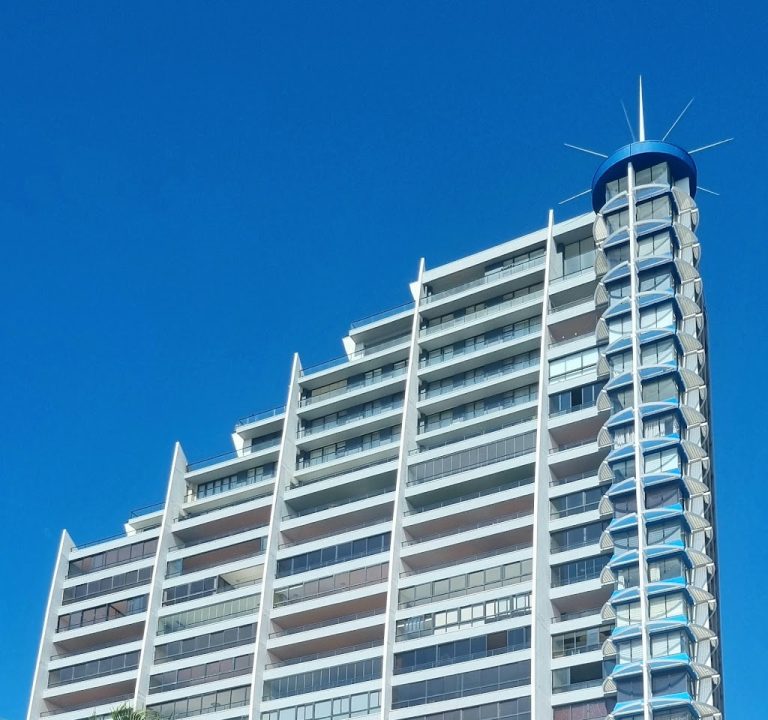
Durban, KwaZulu-Natal: accommodation planning, attractions and tasting the city
Durban sits on the east coast of South Africa with a warm subtropical climate, a lively coastal culture and a rich mix of Indian and African influences. When planning a stay, think about how you want to balance time between beach, culture, and easy access to the city’s bustling port and harbour precinct. Durban’s accommodation options range from laid‑back guest houses to boutique hotels and apartment stays, each suited to different itineraries and budgets.
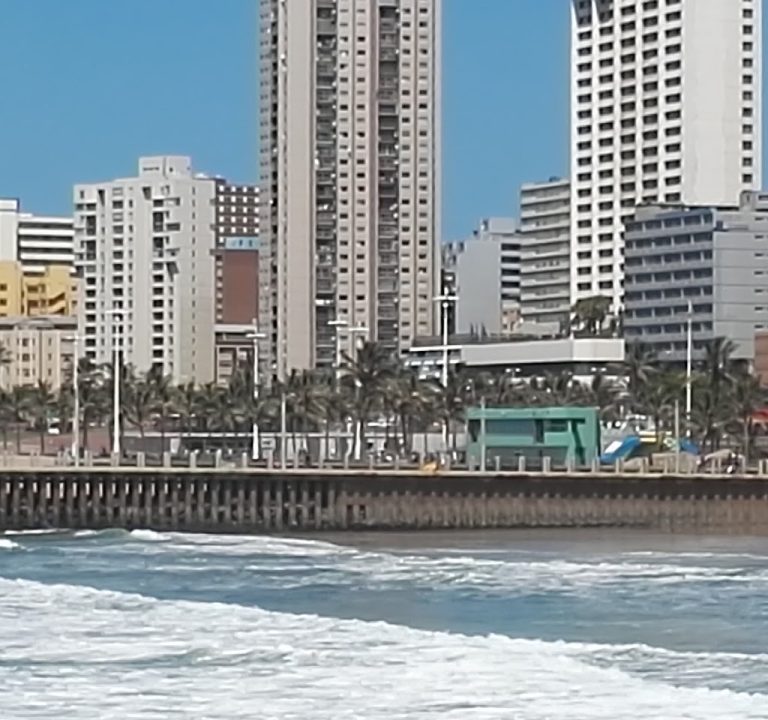
Areas to consider for your stay include the beachfront and Golden Mile, where a stroll along the promenade is a postcard of palm trees, waves and colour. North Beach and the adjacent central beachfront are excellent for travellers who want morning海 swims or long evening walks. The central city and the Point area offer proximity to markets, cafes and a roving street life, with convenient access to public transport and some newer apartment hotels. For families or longer stays, suburban pockets such as Morningside, Umbilo and Musgrave provide quieter neighbourhoods with easy access to major roads and shopping centres. If you’re seeking a modern, resort‑style base, coastal towns a short drive away, such as Umhlanga and Ballito, offer a balance of beaches, shopping, and dining, while still keeping Durban’s core experiences within reach.
When choosing accommodation, consider a few practical factors. Location is the big one: how close do you want to be to the beach, to the city’s markets, or to the main transport arteries? Availability of parking can be crucial if you’re driving, and many guest houses in particular offer secure parking or on‑site facilities. Look for places with self‑catering options or inclusive breakfasts if you want flexibility. A reliable Wi‑Fi connection is important for planning day trips and staying in touch, and many guest houses and hotels offer this as standard. If you’re visiting in peak season, check for flexible booking terms, clear cancellation policies and whether the property is in a flood‑risk or flood‑compressed area, particularly during heavy rain periods that can affect some coastal streets.
Typical amenities you might expect include ensuite bathrooms, daily housekeeping, guest lounge areas, and convenient access to fresh, local dining. Many guest houses in Durban run with a personal touch, offering hosts who can point you to local experiences, from morning markets to sunset coastline walks. For longer stays, look for properties that offer kitchen facilities, laundry service or even private balconies where you can enjoy sea breezes and harbour views. If you’re travelling with family or a group, a larger apartment or a boutique guest house with multiple rooms can provide both privacy and shared spaces for group meals or planning sessions.
Transport is a key planning element. Durban’s traffic can be light at dawn and late at night, but during peak hours it’s wise to allow extra time. Consider whether you’ll rely on car hire, rideshares, or public transport. The city’s circulator routes and some metered taxi services can be convenient, especially for a short stay with plans to explore the coastal precincts and the city’s cultural hubs. If you plan day trips to nearby townships or nature reserves, renting a car might be the simplest option. For trips to the airport or regional hubs, check whether your accommodation offers shuttle options or partnerships with local transport providers.
The best time to visit Durban is during the drier winter months of May to September, when sea breezes temper the heat and outdoor activities are most pleasant. Summer (roughly November to March) is warm, with higher humidity and the possibility of tropical showers. Both seasons offer different charms: winter sea swims are refreshing and crowds are lighter in some areas, while summer markets, craft fairs and lively street life bring vibrant energy to the beachfront and city streets.
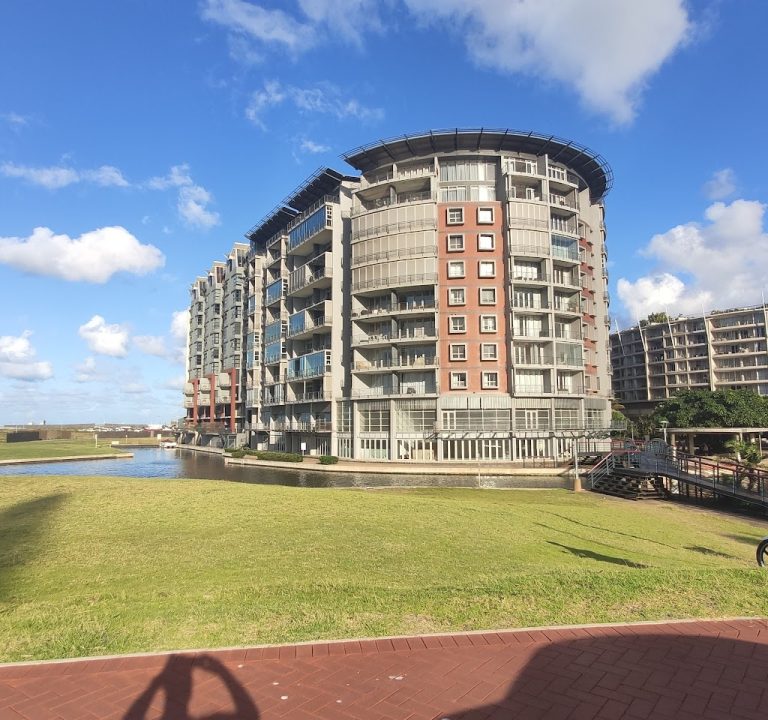
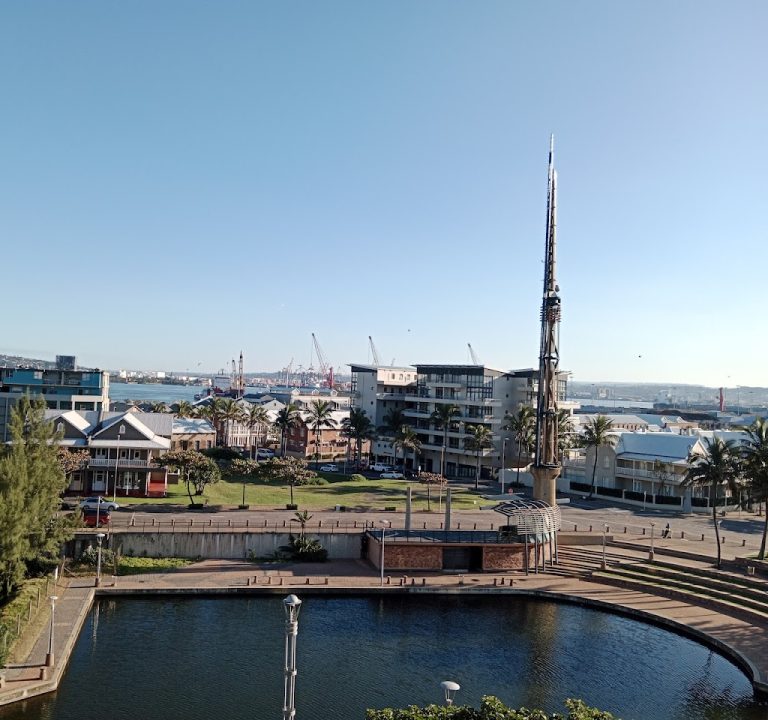
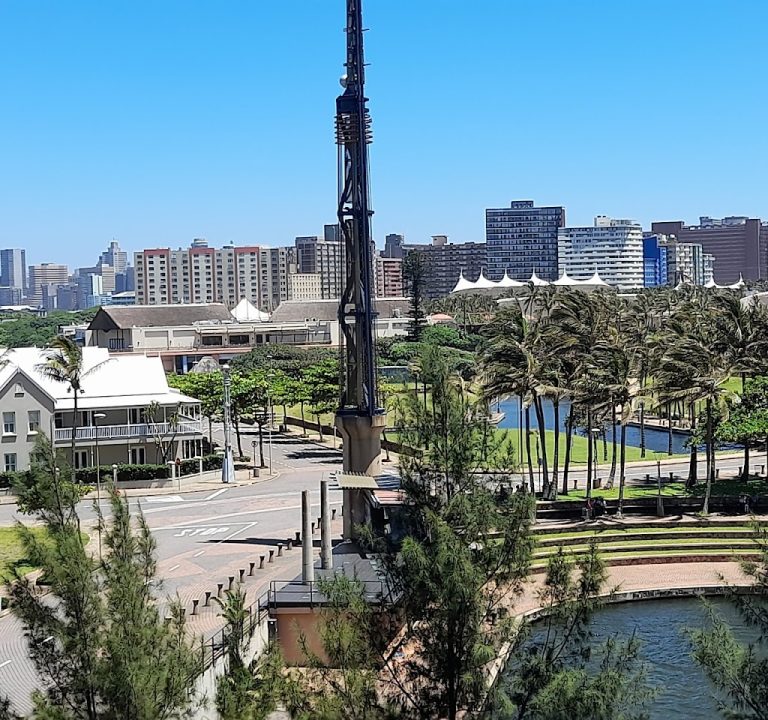
When it comes to activities, a stay in Durban can be as relaxed or as adventurous as you wish. A seaside morning walk along the promenade, sampling street foods and seafood at markets, and a visit to cultural museums provides a well‑rounded taste of the city. The harbour area often hosts a mix of casual eateries, craft shops, and waterfront spaces ideal for a family outing or a romantic evening stroll. For a sample of Durban’s hospitality, consider a guest house with a regional focus—these can offer insight into the local dining scenes, craft markets, and historical architecture. For example, The Quays on Timeball represents the kind of guest house option that can situate you near the harbour and the city’s maritime character, with a comfortable base to explore beyond the hotel’s doors.
Finally, plan your dining and experiences with flexibility. Durban’s culinary scene blends Indian, African and global influences, with a wide range of casual eateries, coffee spots and fine‑dining venues. While specific restaurant choices are best guided by current reviews and personal taste, you can expect a breadth of options from spicy and vibrant street‑style meals to lighter, contemporary dining along the coast. Booking ahead is sensible in peak seasons or weekends, and many properties will happily offer local dining recommendations or arrange restaurant reservations on your behalf. With careful planning, your Durban stay can be a seamless mix of comfortable accommodation, scenic coastal living and rich, accessible experiences that showcase KwaZulu‑Natal’s warm hospitality.
- Look for flexible cancellation policies and clear arrival instructions
- Check for parking or easy access to public transport
- Confirm included amenities such as breakfast, Wi‑Fi, and kitchen facilities
- Ask hosts for local neighbourhood tips and short day trips