Durban: Accommodation Planning and Local Attractions in KwaZulu-Natal
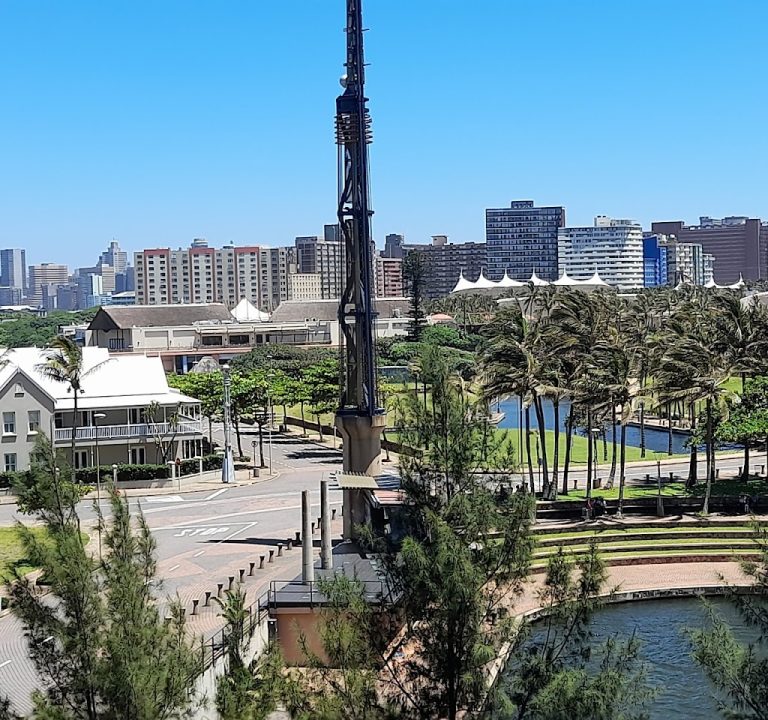
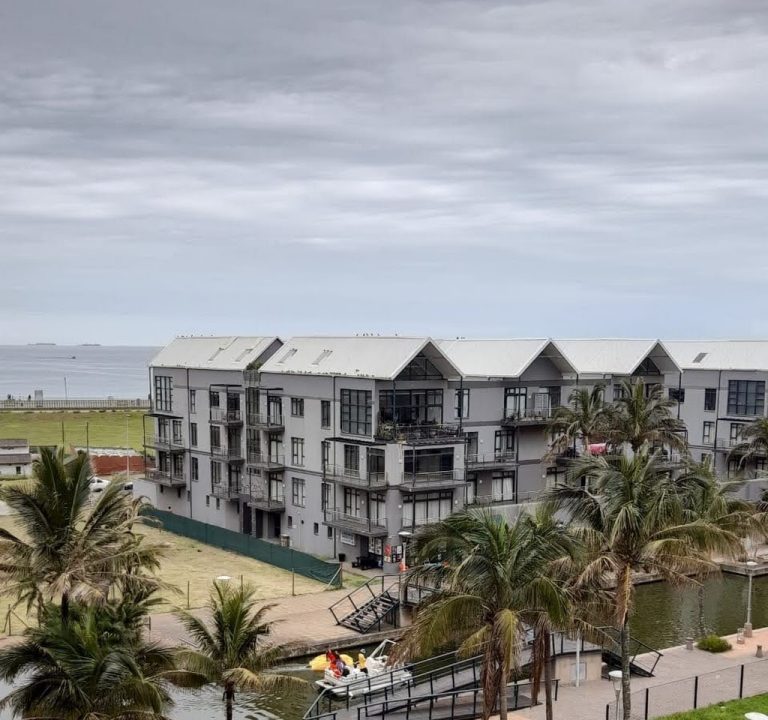
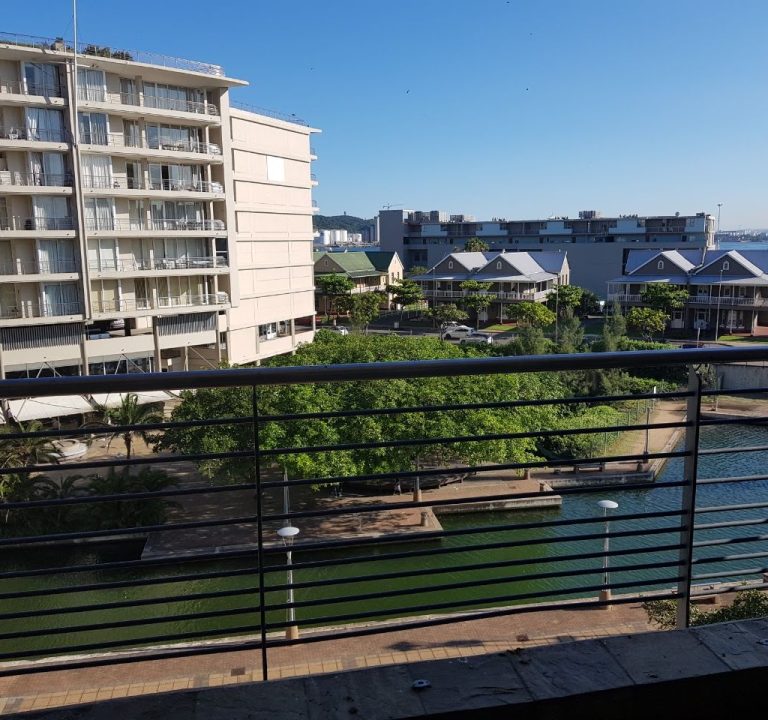
Durban, a sun-drenched seaside city on KwaZulu-Natal’s coast, offers a diverse range of stays from stylish waterfront apartments to family-friendly guesthouses and contemporary hotels. When planning a visit, consider choosing an area that matches your plans, whether you want easy beach access, proximity to the city’s historic streets, or a quieter residential vibe. The Sails Durban Waterfront Apartments is one example of lodging that can anchor a stay near the harbour and the city’s modern marina precinct.
Areas to consider for your stay
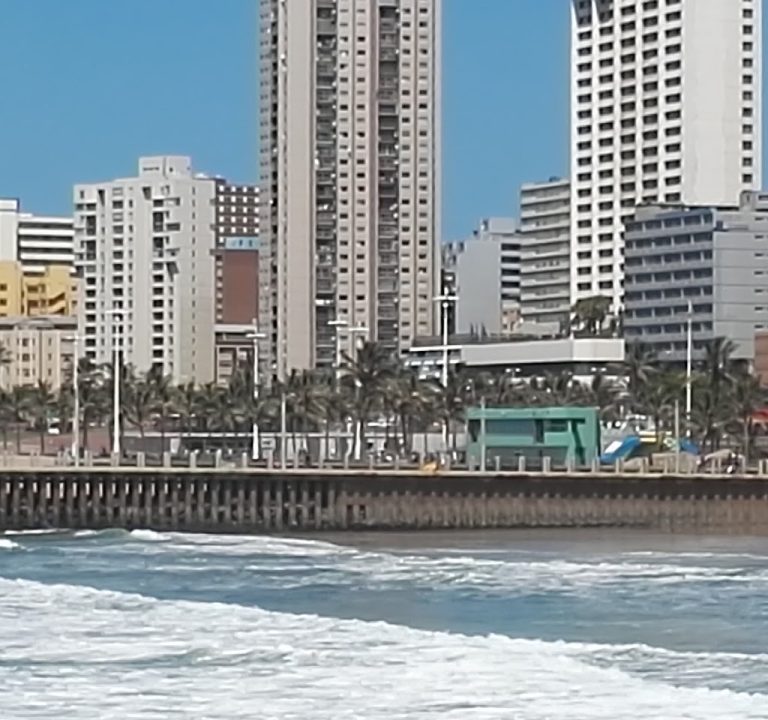
Durban is a city with distinct neighbourhoods, each offering its own flavour and pace. The beachfront belt along the Golden Mile is ideal for easy access to the sea, promenade walks, and a lively atmosphere. Berea, a leafy and hilly area, tends to be close to major shopping and dining options while still feeling residential and relaxed. Umhlanga, a short drive north of the centre, provides a resort-style environment with wide beaches and a modern, walkable strip of eateries and boutiques. For those seeking a more urban experience with cultural pockets and grand Edwardian-era architecture, the central city and surrounds offer historic vibes alongside evolving hospitality. When choosing accommodation, think about access to public transport or parking, as well as the kind of neighbourhood you’d enjoy after dark, especially if you plan evening strolls or dining out.
What to look for when booking
- Location relative to your planned activities and your preferred pace of days.
- Amenities that suit your trip, such as private balconies, kitchen facilities, laundry, and secure parking.
- Safety features, including secure access, in-room safes, and 24-hour front desk or on-site staff support.
- Reviews that mention consistency, cleanliness, and the helpfulness of hosts or property teams.
- Flexibility in booking terms, especially for longer stays or seasonal travel.
Typical amenities and how they help your stay
Durban’s accommodation stock often features comfortable beds, air conditioning, and en-suite bathrooms, which are important in the subtropical climate. Many properties offer daily or weekly housekeeping, reliable wifi, and practical kitchen facilities for guests who prefer to self-cater. A number of lodgings provide on-site dining options, sun terraces with sea views, and access to communal lounges or pools. For families, properties with larger apartments or suites, separate sleeping areas, and child-friendly facilities can be very convenient. If you’re planning a longer stay, a well-equipped kitchen and a convenient washing facility can make a big difference to comfort and budget.
Transport and getting around
Durban’s transport options include bus services, app-based ride-hailing, and rental cars, with straightforward access to major routes along the coast and into the interior. If you’re staying near the beachfront or the harbour, short walks are feasible to some attractions and casual dining, while longer excursions—such as trips to the nearby hills or inland reserves—are easier with a car. Many hotels and guesthouses can assist with airport transfers or arranging trusted drivers. If you plan to rely on public transport, check the local timetables and the proximity of your lodging to bus stops or rail stations.
Best time to visit and practical planning tips
Durban’s climate is subtropical, delivering warm, humid summers and mild winters. The peak beach season runs from late spring through early autumn, when sea breezes keep days pleasant and water temperatures can be inviting. Winter (June to August) is cooler and drier, offering comfortable days for exploring the city’s streets and museums. Consider shoulder seasons for good value and quieter attractions. Pack light, breathable clothing, a light rainlayer for occasional showers, sun protection, and comfortable walking shoes for days spent touring the promenade, markets, or nature reserves.
Attractions and dining in broad terms
Durban’s attractions span coastal views, natural beauty, and cultural experiences. A stroll along the coastline reveals expansive beaches and promenade spaces ideal for early morning runs or sunset breaks. Family-friendly destinations and learning experiences at coastal centres and aquariums are common, while nearby green hills offer scenic drives and viewpoints. For those who enjoy markets, street food, and diverse cuisines, Durban’s dining scene provides a spectrum from casual cafes to more refined bistros, often reflecting the city’s Indian Ocean influences. When planning meals out, you’ll find options ranging from light lunches to substantial dinners, with many venues offering outdoor seating in warm weather and indoor comfort when needed. Reserve ahead if you’re visiting during busy periods or weekends, and explore casual eateries for affordable yet satisfying meals, especially after long days of sightseeing.
Practical tips for a smooth stay
Book well in advance for peak seasons, particularly if you’re fixed on a specific neighbourhood or a popular waterfront stay. Read recent guest reviews to gauge consistency and the responsiveness of hosts or on-site teams. Confirm details such as check-in times, parking arrangements, and whether the room has amenities that match your itinerary. Plan a flexible schedule that allows time for both iconic highlights and relaxing days by the sea. When in doubt, reach out to your accommodation for suggestions on safe local transit options, nearby supermarkets, and reliable places to eat. With careful planning, Durban offers a welcoming base from which to explore both the city’s vibrant coastal life and the surrounding KwaZulu-Natal scenery.