Durban: Accommodation, planning and ways to enjoy KwaZulu-Natal’s coast
Durban, a vibrant city on the east coast of KwaZulu-Natal, offers a mix of palm-fringed beaches, bustling markets, and a culinary scene that blends traditional Zulu flavours with contemporary South African cuisine. When planning a stay, consider the different neighbourhoods and how they align with your priorities—family-friendly beaches, late-night dining, historical sites, or easy access to the highway for day trips along the coast and into the interior. Durban is well served by a range of accommodation options, from stylish hotels and self-catering apartments to guesthouses and lodges near the ocean or tucked into leafy suburbs inland.
Where to stay often comes down to accessibility and ambience. The Golden Mile and beachfront precincts are ideal for first-time visitors who want to stroll along the promenade, dip in warm Indian Ocean waters, and have quick access to restaurants and entertainment. If you prefer a quieter base with a touch of neighbourhood charm, look to Berea, Morningside, or Glenwood, where guesthouses and boutique hotels offer a more residential feel while staying reasonably close to central Durban. For families or groups seeking value and space, self-catering apartments and family-friendly lodges in and around Umhlanga, Durban North, and the suburb of Virginia are popular options.
Typical amenities to look for when booking include reliable air conditioning or ceiling fans (to cope with Durban’s humidity), secure parking, Wi-Fi, and easy access to a pool or sun deck. Many properties offer breakfast or self-c catering facilities, which can be convenient for exploring a city with a long and varied coastline. If you are travelling with children, check for child-friendly features such as cots, high chairs, and safe outdoor spaces. For a special stay, boutique hotels and some guesthouses provide personalised service, locally sourced breakfasts, and curated itineraries that can help you get the most from your visit.
Practical planning tips for a Durban stay:
- Book accommodation with proximity to your planned activities—beaches for mornings, markets for afternoons, and restaurants for evenings.
- Check transport arrangements. Durban has options ranging from hired drivers and ride-hailing apps to rental cars. If you plan to explore beyond the city, a car makes day trips more flexible.
- Consider the weather and seasons. The region experiences a warm subtropical climate. The summer months (roughly November to March) are hot and humid with a higher chance of rain, while the winter months (May to August) are mild and dry, though sea temperatures can be cooler for swimming.
- Look at kitchen or kitchenette facilities if you prefer self-catering, and verify access to shaded outdoor spaces or pools for relaxing evenings after long days out.
- Read the cancellation policy carefully, especially for peak travel periods. Durban can attract visitors throughout the year, so flexibility can be valuable.
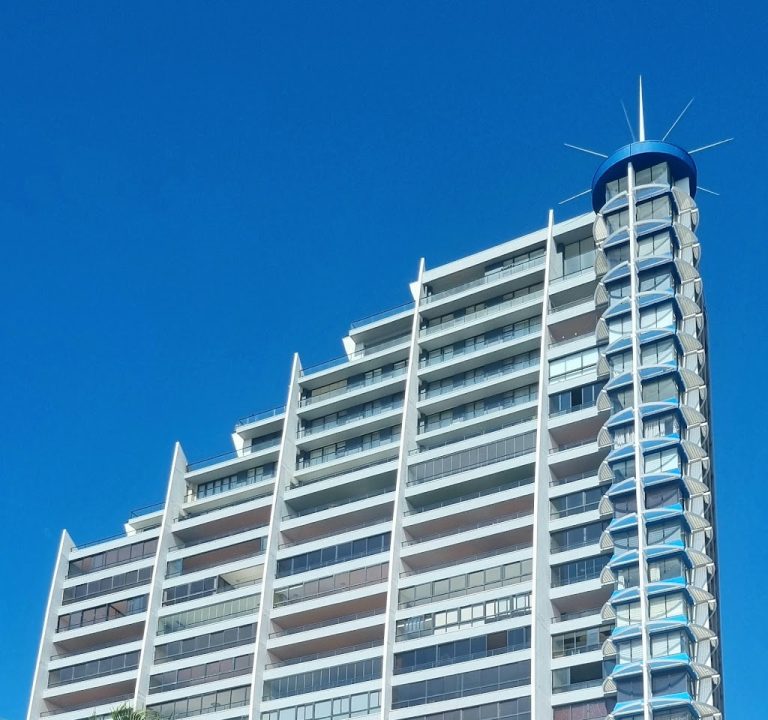
One notable option to consider is a welcoming hotel that blends coastal convenience with guest-friendly service. Such properties typically offer comfortable rooms, on-site or near-site dining, and straightforward access to beaches and attractions. For visitors seeking a higher degree of convenience and direct beachfront vibes, beachfront hotels and apartments often sit within short strolls of the water and the promenade, making morning walks and sunset views an easy part of the routine.
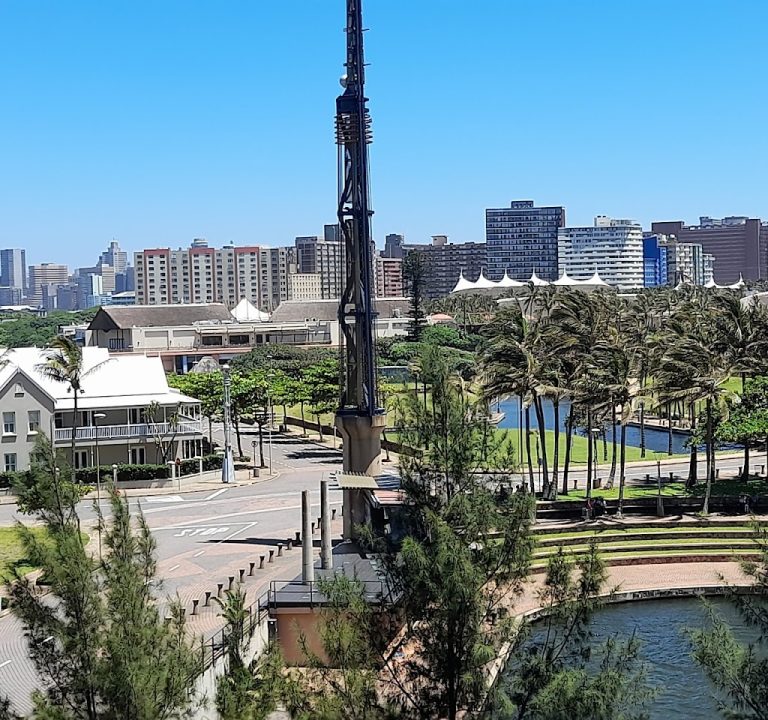
Durban’s attractions span nature, culture, and fun experiences. For first-time visitors, a walk along the Golden Mile, a visit to the historic area near the harbour and harbour-front markets, and a trip to the surrounding parks provide a gentle pace to acclimatise. Family-friendly attractions and activity hubs along the coast frequently blend entertainment with education, offering opportunities to learn about local history, maritime heritage, and the region’s ecosystems. Inland, there are nature reserves and botanical gardens where it is easy to spend a relaxing afternoon. Foodies will enjoy Durban’s diverse dining scene, from casual street-food joints to more refined restaurants that showcase local ingredients and South African flavours shaped by Indian and Zulu influences.
In terms of experiences, many visitors combine a city stay with day trips. A trip to the Moses Mabhida Stadium area can include a ride on the SkyCar or a gentle walk to enjoy views over the city, while a short drive away you can find coastal towns and nature trails. Durban’s culinary scene rewards exploration beyond the hotel restaurant: markets, casual cafés, and bistros offer a chance to sample traditional dishes, coastal seafood prepared with modern techniques, and dishes that blend regional ingredients with contemporary techniques.
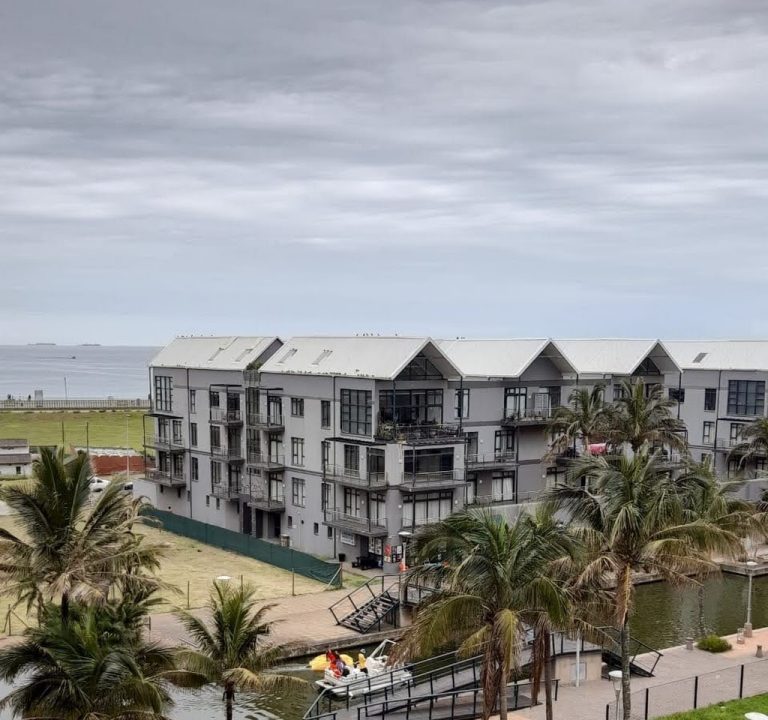
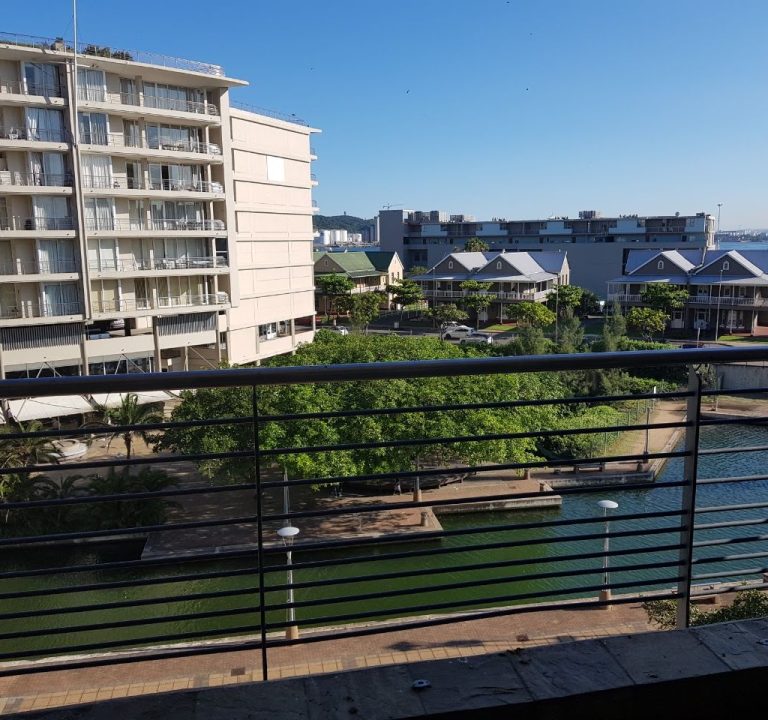
For guests of The Sails C4 Dolphins, a convenient base in Durban, the property offers a modern, comfortable setting with easy access to the city’s beaches and attractions. More information and booking options are available on the official site: The Sails C4 Dolphins.
Best time to visit Durban depends on the experience you want. If you favour beach time and bright sunshine, the late spring and summer months are ideal. If you prefer fewer crowds and lower humidity, late autumn and winter can be pleasant, particularly for cultural activities and city sightseeing. Remember to pack sun protection, light layers for cooler evenings, and comfortable footwear for walking the promenade and market streets.
Durban offers a traveller-friendly mix of accommodation, accessibility, and experiences. With thoughtful planning—considering area, amenities, transport, and seasonal nuances—you can tailor a stay that feels relaxed, authentic, and well-suited to your interests, whether you arrive for a beach holiday, a cultural exploration, or a family-friendly break along South Africa’s subtropical coast.