Durban: A Complete Guide to Accommodation, Attractions and Local Flavours
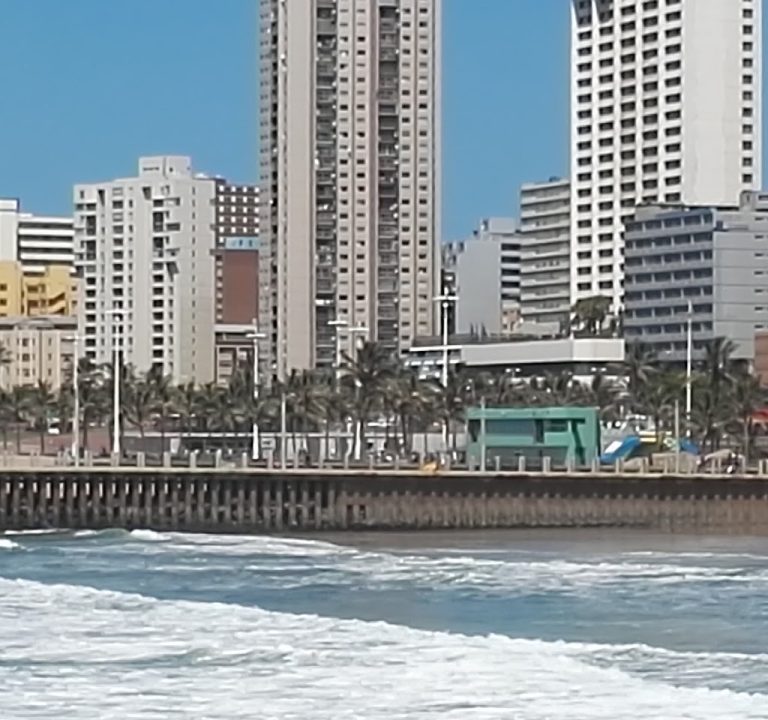
Durban, on KwaZulu-Natal’s coastline, offers a warm welcome, sub-tropical weather and a coastline that invites strolls along long stretches of sunny beaches. When planning a stay, consider choosing accommodation that fits your style and pace—whether you prefer a serviced apartment with kitchen facilities, a boutique guesthouse tucked away in leafy suburbs, or a contemporary hotel close to the sea. Durban’s diversity means there are options to suit both short city breaks and longer visits, with easy access to beaches, markets, eateries and family-friendly entertainment.
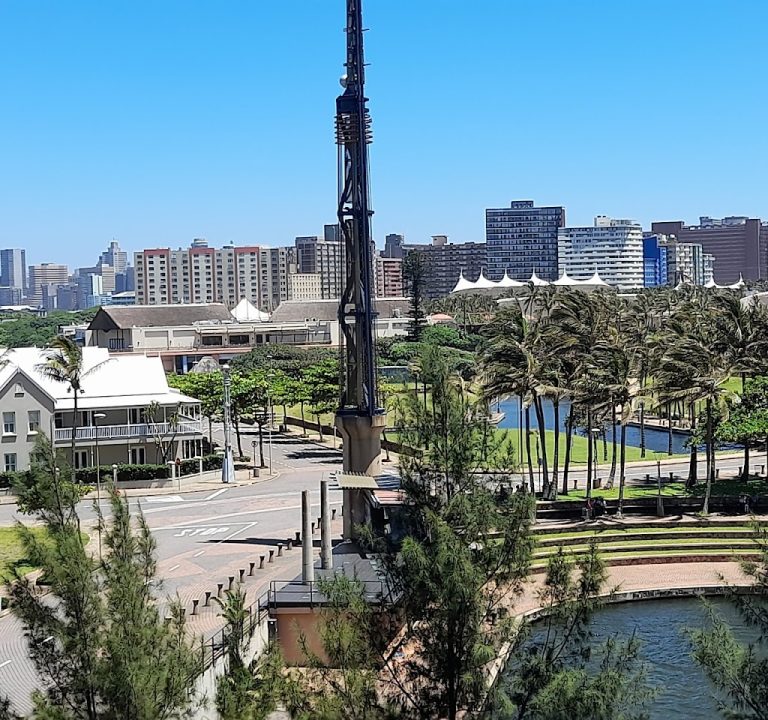
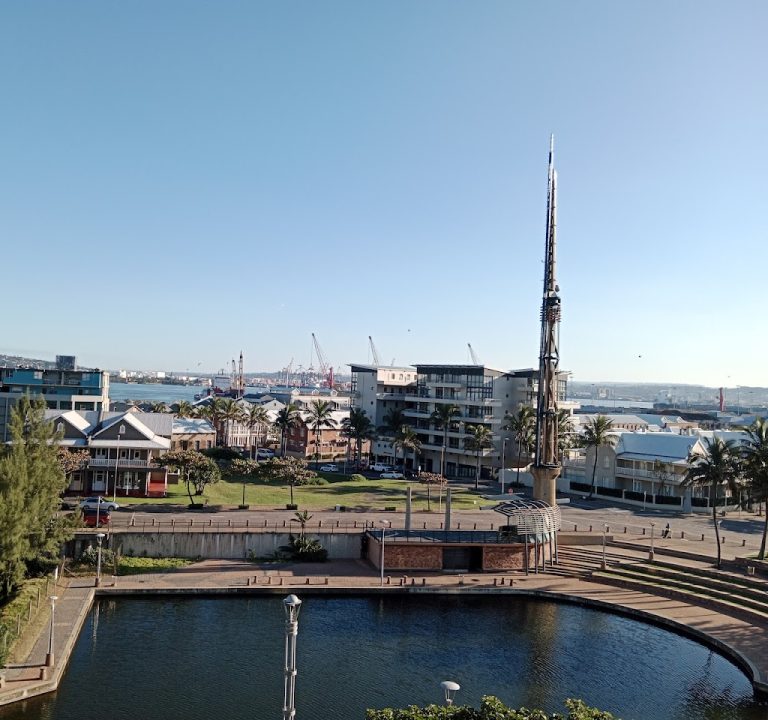
Areas to consider for your base range from the bustling beachfront precincts to quieter residential neighbourhoods. The Point Waterfront and Golden Mile areas are popular with visitors who want immediate beach access and a lively promenade. Umhlanga, north of the city centre, offers a more polished, resort-like atmosphere with a promenade, shopping and excellent dining, while the central business district and surrounding suburbs provide convenient access to museums, markets and cultural experiences. Durban North and Morningside offer tree-lined streets, cafes and a more relaxed tempo, often with good value accommodation and straightforward transport links to the coast and the city’s attractions. When selecting your stay, check proximity to the beaches you plan to enjoy and the places you wish to visit, as travel times can vary with traffic and weather.
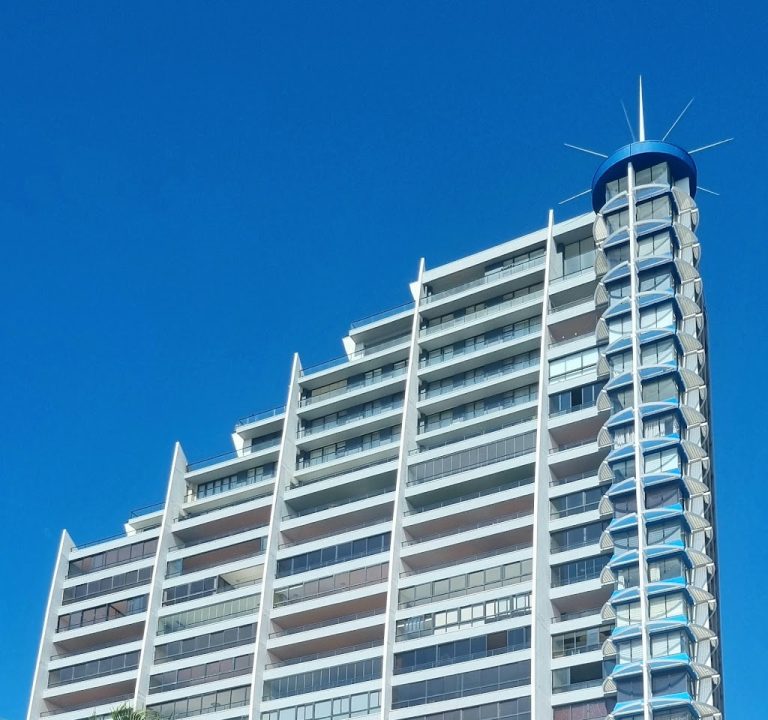
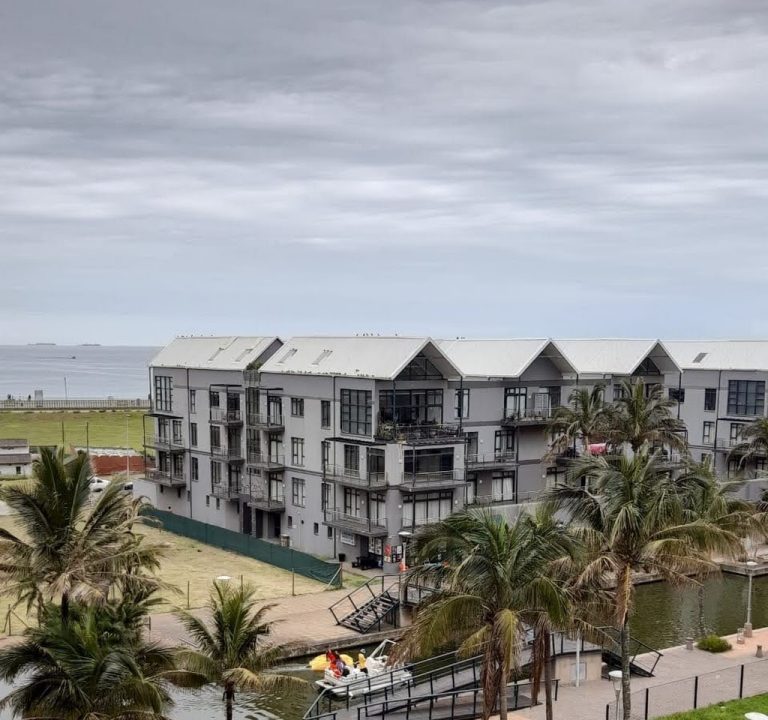
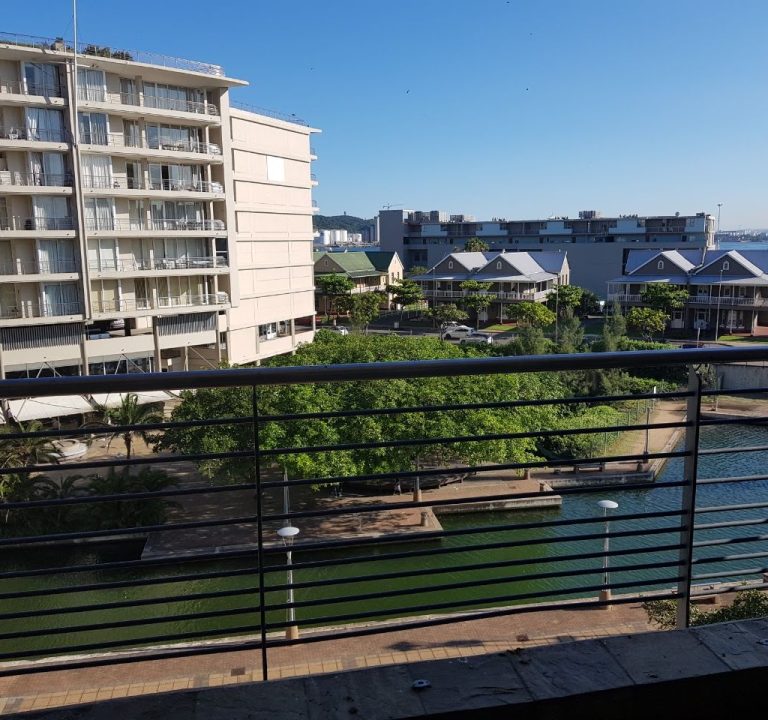
Typical amenities to look for in Durban accommodation include reliable air conditioning or ceiling fans, essential kitchen facilities if you are renting a serviced apartment, and secure parking or easy access to public transport. Many properties offer free Wi-Fi, comfortable living spaces, and laundry facilities—handy for families or longer stays. If you’re visiting in peak summer, a private balcony or shared terrace with sea views can add to your experience. For business travellers or groups, serviced apartments or hotels with flexible meeting spaces provide practicality and convenience. When booking, read recent guest reviews to gauge cleanliness, noise levels, and the responsiveness of staff. Consider whether a property offers airport transfers or convenient connections to major routes if you plan to hire a car or use ride-hailing services.
Transport in Durban is best planned in advance. The city is served by a network of roads, and Uber, Bolt and other ride-hailing apps operate widely. MyCiTi buses offer a cost-effective way to traverse the city centre and certain coastal corridors, though services outside peak times may be less frequent. If you are staying near the coast, walking and short rides to beaches, markets and eateries can be pleasant and safe, particularly during daylight hours. For day trips to inland locations such as the valleys or hills that frame the city, renting a car provides the most flexibility. If you rely on public transport, verify the latest timetables and routes in advance, and keep a spare plan for evenings when services may be less frequent.
Best time to visit Durban is during its long warm season, with winter months remaining mild by international standards. Summer brings lively beaches and outdoor events, but be prepared for humidity and occasional heavy showers. Shoulder seasons can offer calmer beaches and lower accommodation rates, while still enjoying warm days and pleasant evenings. If you are planning to dine out, Durban’s culinary scene blends Indian flavours, coastal seafood and contemporary African-European influences. Expect casual, family-friendly eateries and vibrant markets where you can sample curries, grilled fish and diverse street-food-inspired options. While prices vary, there are plenty of mid-range choices alongside more upscale venues, particularly in well-serviced districts and along the beachfront.
Practical tips for planning your stay:
- Book early in peak months to secure accommodation near your preferred beach or neighbourhood.
- Check if your lodging offers self-catering facilities or a dining option, which can be convenient after excursions or long travel days.
- Look for properties with good reviews on cleanliness, bed comfort and sound insulation, especially if you plan to rest after days out on the coast.
- Consider a stay with flexibility on check-in and check-out, particularly if your travel timetable might shift due to flights or traffic.
- Plan a mix of activities—coastal walks and beaches, markets and cultural experiences, and a day for exploring inland hills or nature reserves if possible.
Durban’s attractions and experiences tend to cluster around the coast and the city centre. You can expect family-friendly beaches, promenades for long walks, and parks or reserves offering nature trails. Dining options span from casual beachside cafés to more formal venues serving seafood, curry dishes and modern fusion plates. For a well-rounded visit, allow time to stroll through markets and neighbourhoods where local crafts, music and street food reflect the city’s vibrant culture. For inspiration and practical planning, consult Durban’s official tourism resources and reputable travel guides to learn about seasonal events and current openings. You will find that a well-chosen base in Durban makes it easy to balance restful beach days with engaging experiences, comfortable accommodation and convenient transport links.
Further information and ideas can be found through established travel resources and city tourism sites. Planning ahead helps you curate a stay that matches your pace, whether you seek a tranquil seaside retreat, a bustling city break or a family-friendly itinerary with easy access to the coast and the hills beyond.