Durban: Accommodation, Attractions and Practical Planning for Your Stay
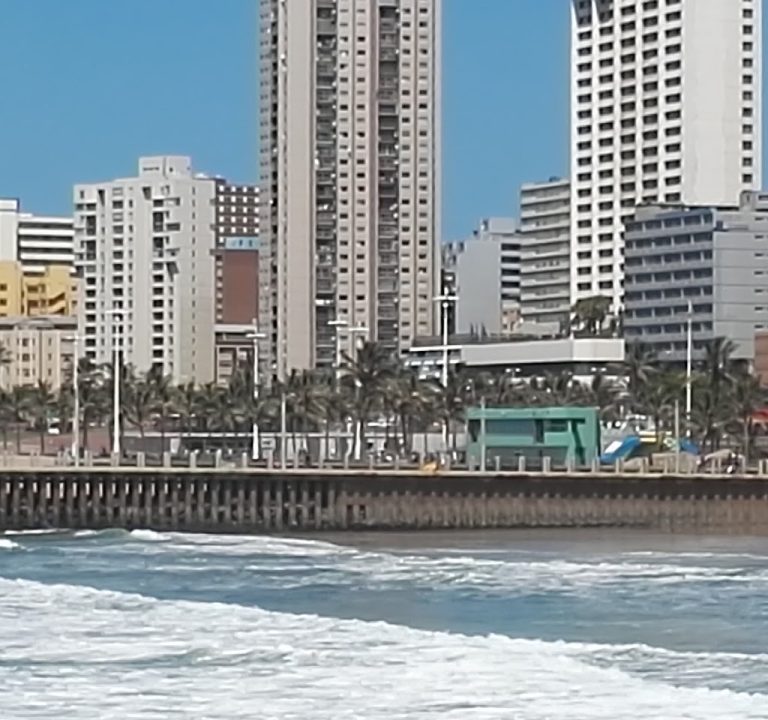
Durban, a vibrant coastal city in KwaZulu-Natal, offers a welcoming mix of beachside relaxation, cultural experiences and modern comforts. When choosing somewhere to stay, consider the different neighbourhoods that shape the rhythm of a Durban visit. The Point Waterfront and Golden Mile areas are popular for families and first-time visitors who want easy access to the promenade and beaches. Umhlanga and қDurban North provide a quieter, more upmarket feel with water views and convenient access to restaurants and shopping. For a more authentic city centre experience, Berea and Morningside offer a blend of characterful guesthouses, boutique hotels and easy access to parks and markets. If you’re drawn to family-friendly attractions or a resort-like stay, coastal villages and resolver-friendly hotel chains in and around the Durban metropolitan area can provide comfortable bases with helpful staff and on-site amenities.
What to look for when booking a place to stay in Durban depends on your plans and budget. Key considerations include:
- Proximity to the activities you want to do, such as beaches, markets, or a major attraction hub.
- Provenance of the property: well-maintained rooms, reliable housekeeping, and clear information about check-in times and accessibility.
- On-site amenities that matter to you, such as air conditioning (important in Durban’s warm climate), secure parking, a guest lounge, or a pool.
- Transport links: ease of access to major roads, proximity to taxi routes or airport shuttles, and whether a car is advisable for your stay.
- Noise levels and neighbourhood character, especially if you prefer a peaceful retreat or an action-packed city-centre vibe.
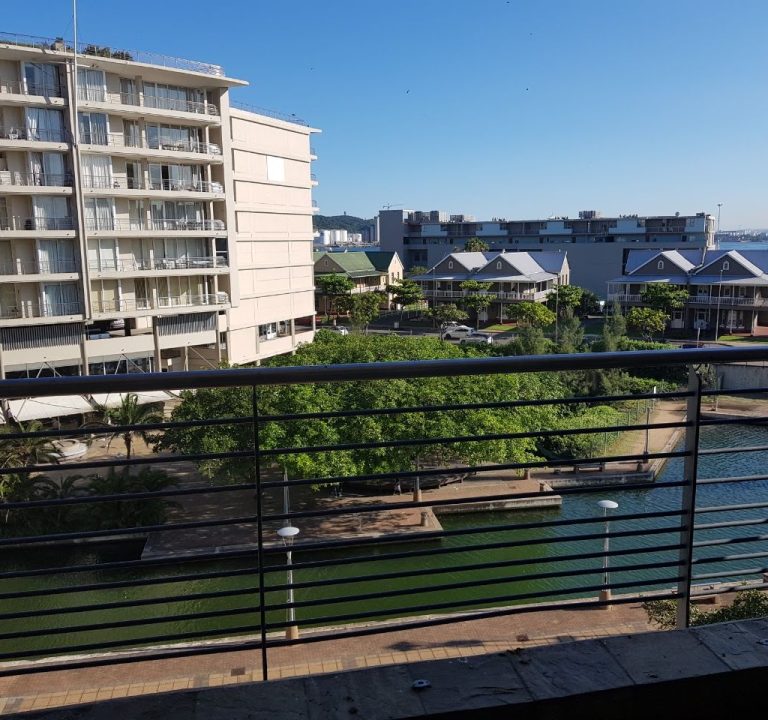
Typical amenities you might encounter in Durban accommodation include comfortable en-suite rooms, free Wi‑Fi, breakfast options (from self-catering to full spreads), and friendly service that can help you navigate the city. Some properties offer additional perks such as shaded outdoor spaces, balconies with sea views, or fitness facilities. When booking, check cancellation policies and whether the price includes taxes or service charges. It’s also worth confirming accessibility features if required, such as lifts for upper-floor rooms or level access for mobility aids.
Transport in Durban is relatively straightforward but varies by area. If you are staying near the coast, the beachfront promenade is best enjoyed on foot or by bicycle, with many hotels offering bicycles for guests. Taxis and ride-hailing services are widely available, and car hire is convenient for exploring beyond the city’s core, including the scenic inland routes or day trips to nearby townships and wildlife reserves. If you plan to use public transport, ask your host or the reception for the most reliable options and any seasonal changes in schedules. For airport transfers, many hotels can assist with pre-arranged pickups, which can simplify your arrival after a long flight.
The best time to visit Durban is when you want to balance warm, sunny days with manageable humidity. The city has a subtropical climate, with hot summers and mild winters. December to February is peak beach season, when ocean temperatures are inviting and events are plentiful, but it can be busy. The shoulder seasons—March to May and September to November—often offer good weather and fewer crowds, making it easier to secure preferred accommodation and rates. If you enjoy surfing or water sports, plan around seasonal wind and wave conditions, and consider staying closer to the coast for easier access to beaches and waterside eateries.
When planning activities, Durban has a broad mix of experiences to browse. Family-friendly options include interactive marine and nature attractions near the coast, expansive shopping and dining precincts, and parks with shaded trails. For a taste of local culture, you can explore markets, crafts stalls, and venues that showcase Zulu heritage and South African hospitality. Evening meals can be found along the Golden Mile, the Point precinct, and in vibrant neighbourhoods where eateries range from casual cafes to refined dining. For a broader sense of the region, you can visit hillside reserves, botanical gardens or nearby rolling hills that offer scenic viewpoints and short forest walks.
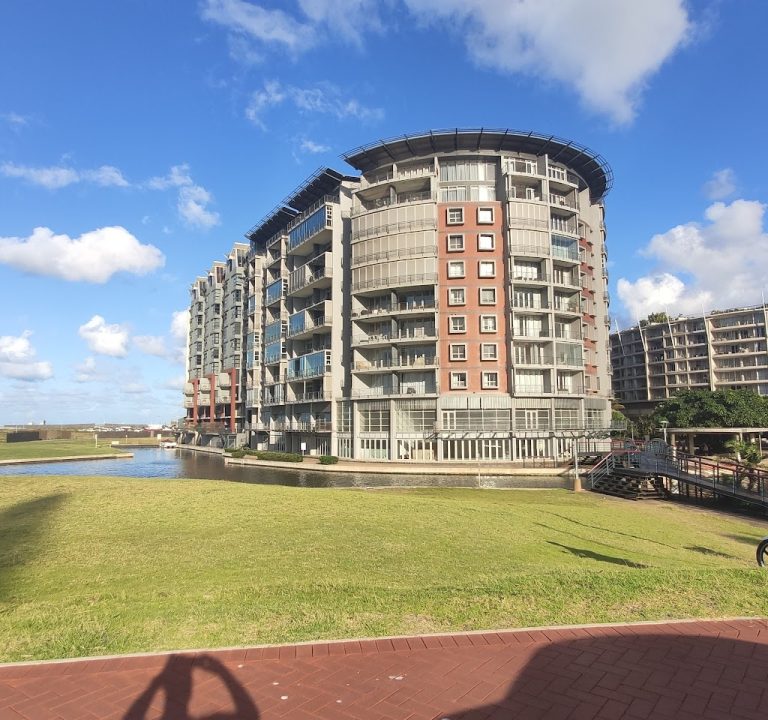
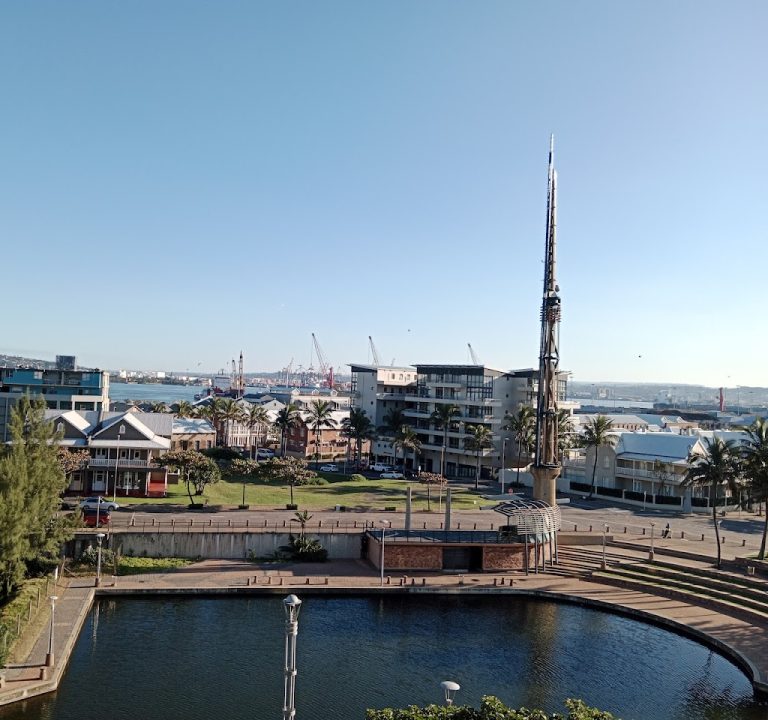
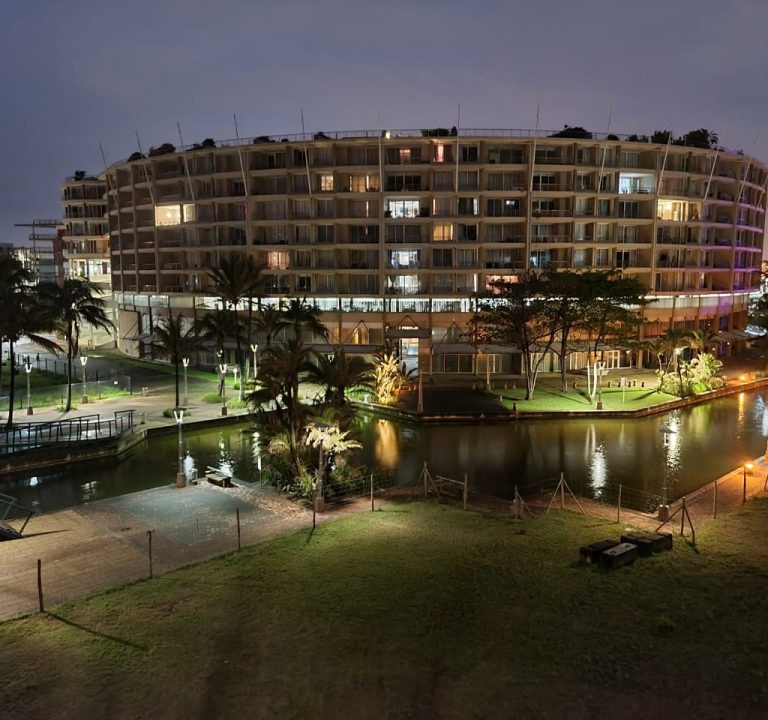
If you’re staying at a hotel such as the Docklands-inspired properties or other water-adjacent options, you’ll benefit from easy access to a promenade area and nearby transport routes. Look for places with thoughtful details—secure parking, information on local tours, and staff who can offer insider tips on the best days to visit busy sites. A well-planned stay in Durban blends comfortable rest with experiences that reflect the city’s warmth and coastal beauty. For up-to-date ideas and official visitor information, you can browse Durban tourism resources and reliable travel guides online.
Suggested planning tips in brief:
- Choose accommodation based on proximity to your must-see sites and the type of stay you prefer.
- Confirm amenities that are important to you, especially air conditioning, Wi‑Fi reliability, and on-site dining options.
- Consider transport needs and whether you’ll rely on taxis, car hire, or public transit.
- Plan a flexible schedule to maximise outdoor time during the milder parts of the year, and book popular activities early in peak season.
For further inspiration on Durban’s coastal charm and visitor information, you can explore official tourism resources and reputable travel sites. A well-chosen base, paired with a thoughtfully crafted itinerary, will help you experience the city’s warmth, diversity and coastal splendour at its best.