Durban: Accommodation, Attractions and Practical Tips for Visitors
Durban, a vibrant coastal city in KwaZulu-Natal, offers a rich mix of sunny beaches, maritime history, and a lively food and culture scene. When planning a stay, consider the city’s distinct neighbourhoods, from beachfront bars and family-friendly promenades to leafy residential pockets close to parks and museums. Choosing the right base can make day trips and evenings out easy, comfortable, and economical.
One practical starting point is to think about access to transport. If you plan long days of sightseeing, proximity to the beachfront and major arteries along the Golden Mile can save time on traffic and parking. For a touch of city buzz with easy access to restaurants and galleries, central and inland neighbourhoods near Glenwood, Musgrave, and Morningside offer a mix of stylish guesthouses and self-catering apartments. Families and larger groups often favour properties with multiple bedrooms and self-catering facilities, which can provide flexibility for breakfasts, snacks, and light suppers after a day out.
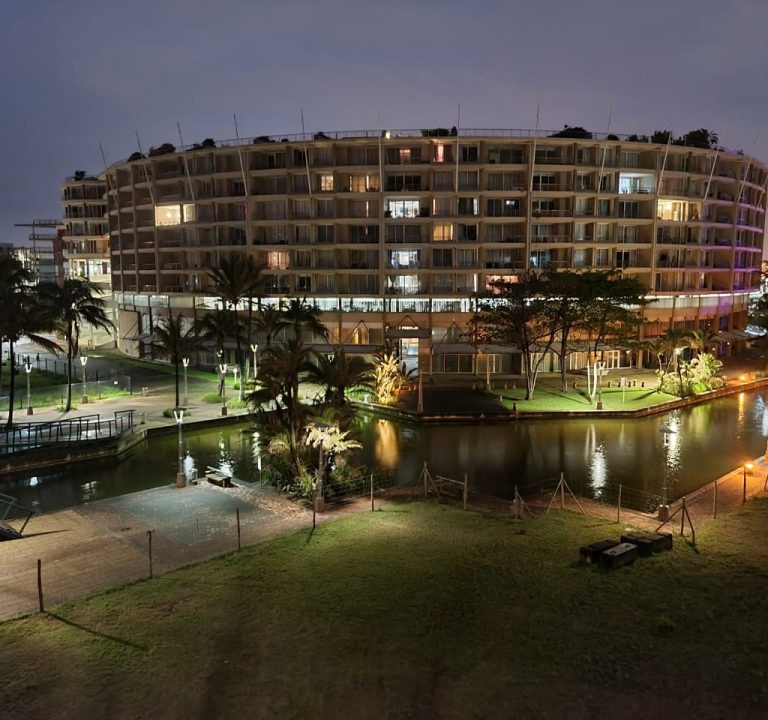
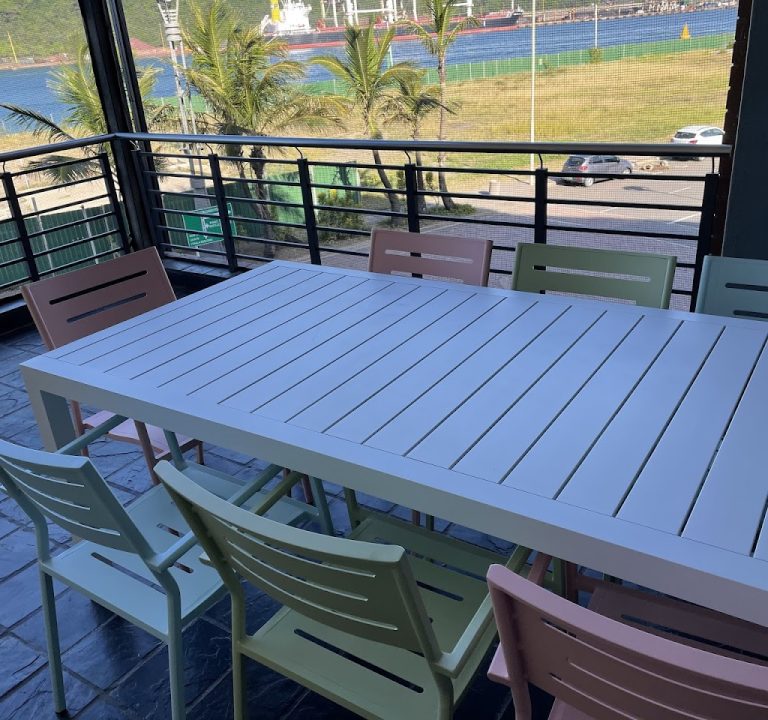
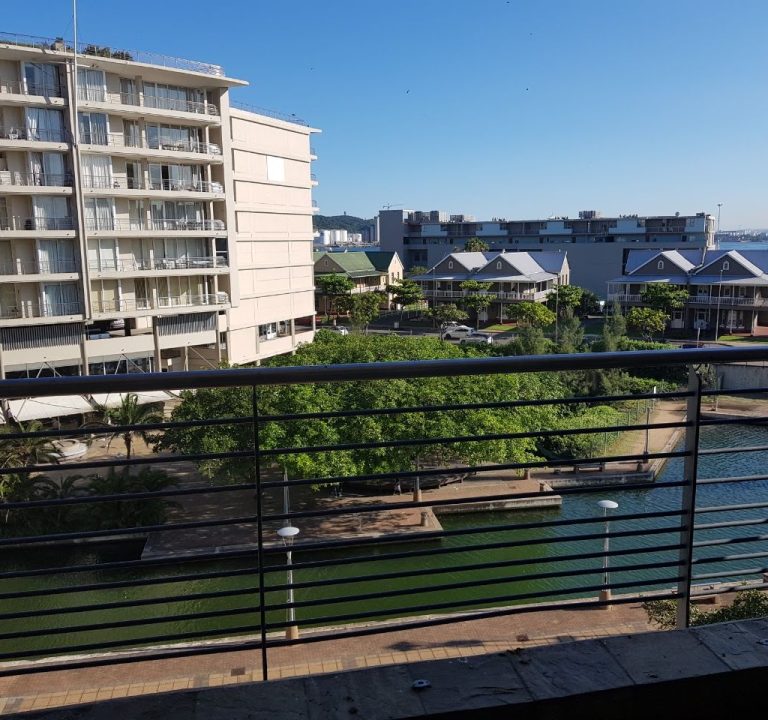
Durban’s accommodation spectrum includes boutique guesthouses, self-catering apartments, comfortable hotels, and modern serviced flats. A self-catering option such as Point Bastille Penthouse can be appealing for travellers who want a home-from-home feel, with the flexibility to cook and relax at their own pace. When booking, consider room layout, kitchen facilities, laundry access, and whether the property offers on-site parking or secure access. If you prefer hotel-style service, look for offerings like daily housekeeping, a reception desk, and on-site dining or a concierge service to help with local tips and bookings.
Key areas to consider:
- Golden Mile and beachfront properties for sea views, easy strolls along the promenade, and quick access to coffee shops and casual eateries.
- Umhlanga and the northern coast for a more resort-like atmosphere, with modern amenities and contemporary dining options.
- Centre and southern suburbs such as Glenwood, Morningside, and Musgrave for a mix of culture, green spaces, and convenient transport links.
- Durban North and nearby coastal suburbs if you prefer a quieter rhythm while staying close to beaches and nature reserves.
What to look for when booking a stay in Durban varies by traveller, but there are common considerations. Safety and security are paramount, particularly if you are unfamiliar with the area. Look for properties with secure access, good lighting, and reliable support from hosts or management. Noise levels can also influence sleep quality, so check for soundproofing or higher floors near busy streets if you are a light sleeper. Amenities that often make Durban stays easier include reliable air conditioning or fans (Durban can be warm and sticky), free Wi‑Fi, a well-equipped kitchen, laundry facilities, and the option of an outdoor space such as a balcony or courtyard.
Transport around Durban is usually straightforward, but planning ahead helps. If you are relying on public transport, choose accommodation near main bus routes or a taxi/hire car arrangement. For those who enjoy the feel of a city by foot, several areas offer safe, walkable streets with cafés and markets. If driving, ensure parking is clearly available and included in the booking. For day trips to attractions outside the immediate city centre, a car is usually the most flexible option, though some tours and experiences can be arranged through your accommodation or local operators.
Best time to visit Durban is generally year-round, thanks to its subtropical climate. Winter (May to August) is cooler and drier, often considered pleasant for outdoor activities, while summer (November to February) brings heat and humidity with higher rainfall and the possibility of tropical storms. Shoulder seasons can offer fewer crowds and discounts on accommodation, particularly in the mid-year months. If you plan to swim and surf, check the sea conditions and lifeguard advisories, and be mindful of rip currents on some beaches. For cultural events and dining experiences, align visits with local markets, food festivals, and crafts fairs that showcase KwaZulu-Natal’s diverse communities.
Durban’s attractions are broad and walkable in clusters. You might spend mornings along the beachfront, enjoy a family-friendly afternoon at parks or nature reserves, and savour evenings in neighbourhoods known for hospitality and flavour. South Africa’s culinary scene here leans towards fresh seafood, sizzling peri-peri dishes, and a blend of Indian, African, and colonial influences. While exact restaurant names and prices vary, you can expect casual cafés for breakfast by the sea, mid-range restaurants offering shared platters, and more refined venues for relaxed dinners. Wherever you choose to dine, look for places that use fresh ingredients, offer vegetarian or vegan options if needed, and provide clear information on dietary preferences.
Practical tips for a comfortable Durban stay:
- Book flexible options where possible to adapt to weather and transport changes.
- Confirm whether laundry facilities or an on-site washer/dryer are available, especially for longer stays.
- Pack light layers; evenings can be cooler near the coast, and some venues have strong air conditioning.
- Check access to shade or outdoor spaces for hot days, and consider a property with ceiling fans or air conditioning.
- Plan a mix of beach time, cultural experiences, and relaxed dining to balance energy and pace.
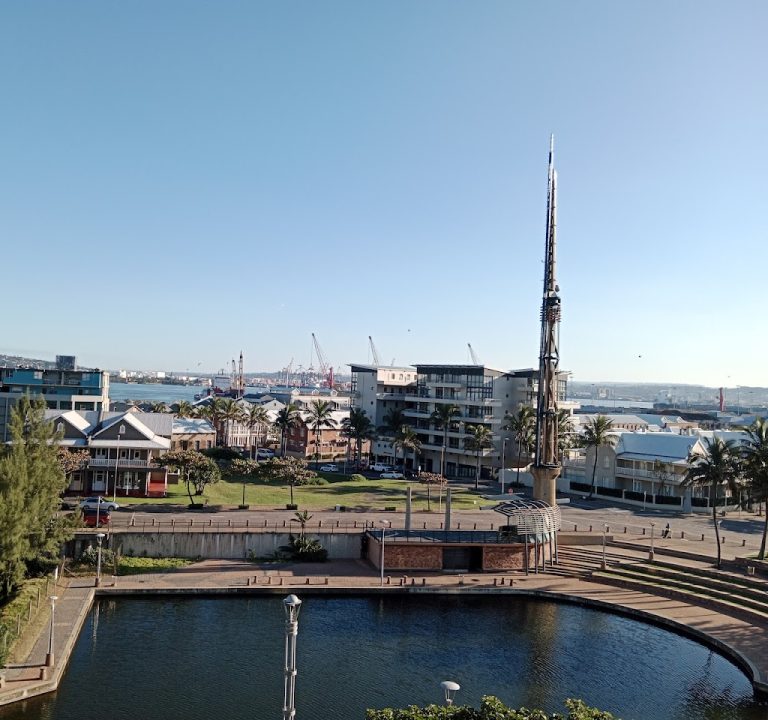
Whether you seek a breezy beach apartment, a cosy guesthouse with a friendly host, or a stylish city-centre stay, Durban offers a gateway to KwaZulu-Natal’s coast and inland delights. For a concrete example of what to look for, one notable self-catering option is Point Bastille Penthouse, which illustrates the appeal of a home-away-from-home setup within reach of Durban’s sands and social life. With thoughtful planning, your Durban visit can be smooth, welcoming, and full of memorable moments.