Cape Town: Accommodation, Attractions and Practical Planning for Visitors
Cape Town is a city of contrasts, perched between the Atlantic Ocean and the iconic Table Mountain. When planning a stay, travellers have a broad range of accommodation to choose from, from intimate bed and breakfasts to stylish guesthouses and contemporary hotels. The right choice depends on your priorities—whether you want easy access to the city’s historic sites, a restful seaside stay, or a neighbourhood with easy transit to dining and nightlife.
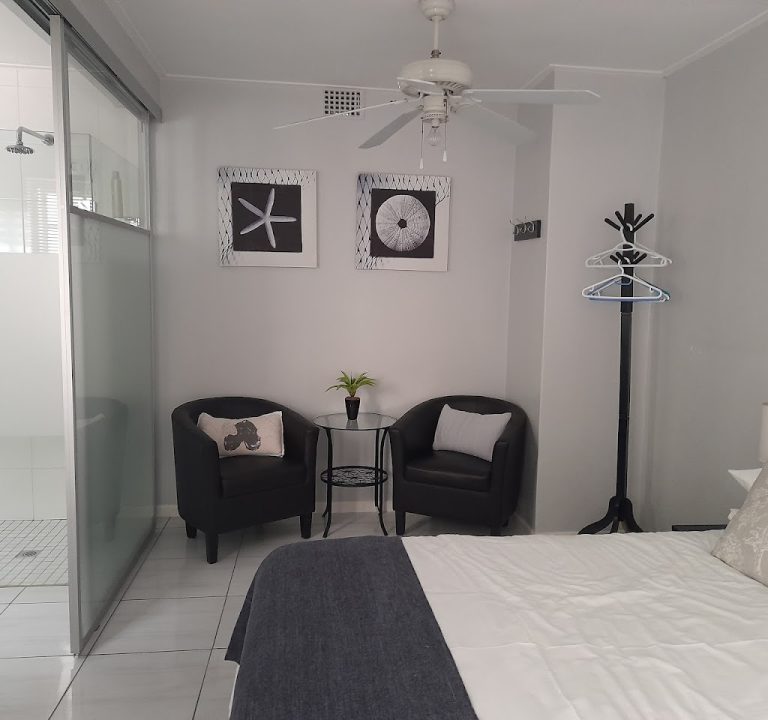
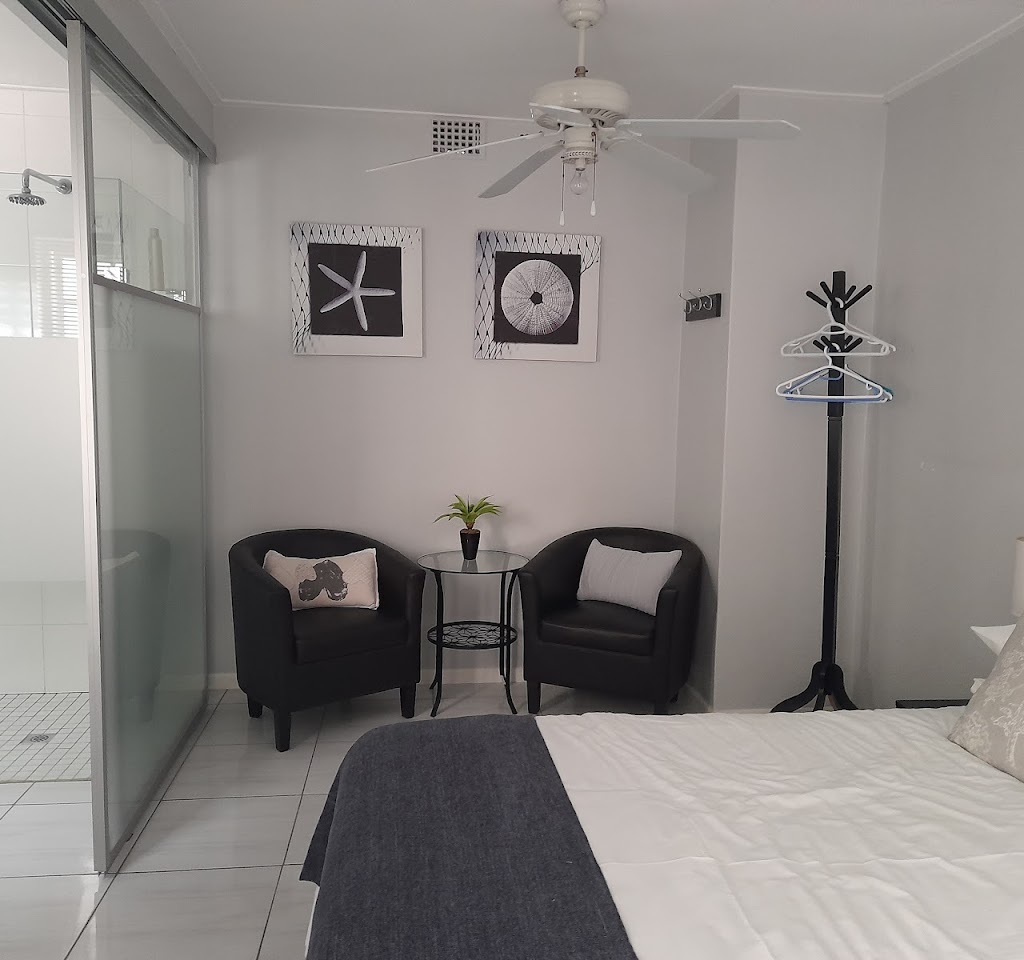
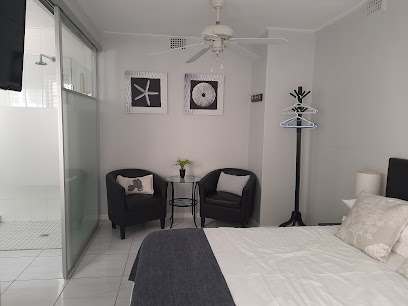
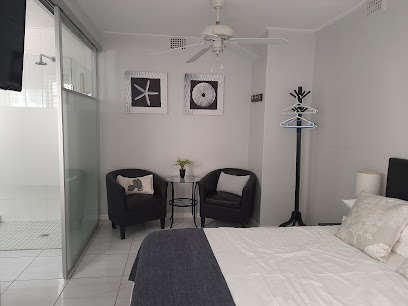
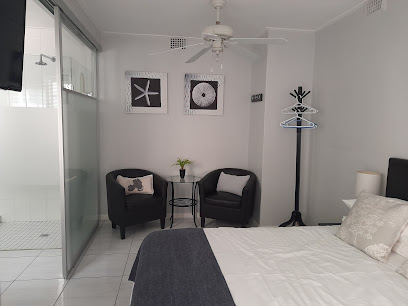
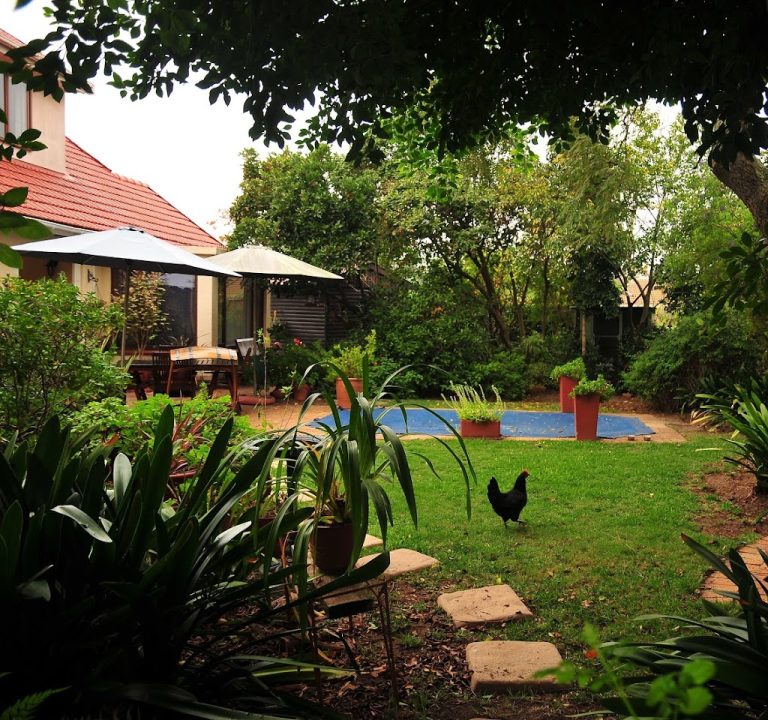
In the central and southern suburbs, you’ll find boutique stays with easy access to the V&A Waterfront, the colourful streets of Bo-Kaap, and the sweeping views from Signal Hill. The Atlantic Seaboard offers chic apartments and hotels along the coastline, with dramatic sea views and direct access to beaches and promenades. For a quieter, leafy retreat, Pinelands and neighbouring suburbs present calm residential settings that are still within a short drive of the city’s attractions. The Palms in Pinelands, for example, represents a thoughtful bed and breakfast option, combining homely comforts with convenient transport links to central Cape Town and the surrounding wine routes. You can learn more about the property at its official site: https://thepalmspinelands.hotelonia.com/
What to look for when booking
- Location and access: Consider proximity to the places you most want to visit, plus transport options. If you plan day trips to the Cape Winelands or Stellenbosch, a base closer to major routes can save time.
- Room features and amenities: En-suite bathrooms, reliable Wi‑Fi, secure parking, and a daily breakfast can greatly improve your stay. Some properties offer self-catering facilities or guest lounges for socialising and planning your day.
- Atmosphere and size: Small guesthouses and B&Bs often provide a more personalised experience with hosts who can offer local tips, while larger hotels may offer more extensive facilities such as pools, gyms, and on-site dining.
- Transport access: Cape Town’s public transport has improved, but many visitors prefer hiring a car or using ride-hailing services for greater flexibility, especially for early starts or late returns from excursions.
- Safety and security: Check whether the property has gated parking, 24-hour reception, and clear guidance on safe neighbourhoods. A well-lit entrance and secure access are helpful for peace of mind.
Typical amenities and what to expect
Guesthouses and B&Bs in Cape Town typically include a hearty breakfast, with options ranging from continental to full cooked breakfasts. Rooms tend to be individually styled, with attention to guest comfort—think cosy seating areas, quality linens, and blackout curtains for restful nights after a busy day on the hills or at the coast. Many properties offer shared guest lounges, outdoor terraces, and recommendations for local experiences such as informal walks, markets, and guided tours. In warmer seasons, you can expect a lovely garden or pool area for a refreshing dip or a sundowner before heading out to explore the city’s diverse dining scene.
Transport and getting around
- Self-drive or hire: If you plan to explore beyond the city bowl and the southern suburbs, a car offers maximum flexibility, particularly for trips to Cape Point, the Cape Winelands, and the penguin colony at Boulders Beach.
- Public transit: The MyCiTi bus network serves many parts of Cape Town and surrounding areas, though it may be less convenient for late-night returns from nightlife hubs.
- Tours and experiences: Many hotels and B&Bs partner with reputable tour operators offering half-day and full-day excursions. It’s worth asking hosts for trusted local guides who can tailor a day around your interests—Table Mountain, Robben Island, the Constantia wine route, and the Cape Peninsula are popular choices.
Best time to visit and practical planning
- Weather seasonality: Cape Town enjoys Mediterranean-like summers and mild winters. The dry season (roughly November to March) is often preferred for outdoor activities, while spring and autumn can offer pleasant temperatures and fewer crowds.
- Ocean safety: If you plan to swim, be mindful of strong currents and seasonal water temperatures. Always heed local warnings and seek guidance from your host about safe beaches.
- Dining and nightlife: Cape Town’s dining scene ranges from casual bistros to fine dining. Many areas have bustling night-life hubs, while residential neighbourhoods offer quieter evenings, perfect for a restorative stay.
- Practical tips: Pack versatile clothing for changing conditions, as mountain weather can shift quickly. Bring a lightweight rain layer for sudden showers, and a comfortable pair of walking shoes for hills and coastal promenades.
Places to explore and nearby experiences (in general terms)
- Iconic viewpoints and trails: Table Mountain and surrounding viewpoints offer classic photo opportunities and scenic hikes suitable for varied fitness levels.
- Cultural corners: Historic districts reveal architecture, museums, and marketplaces where you can savour local crafts and regional fare.
- Coastal activities: The coastline provides scenic drives and walks, with opportunities to observe marine life from vantage points along the edge of the Atlantic.
- Dining and markets: Cape Town’s neighbourhoods feature a mix of casual eateries and vibrant markets that showcase South African flavours and fresh produce.
Example accommodation options in Cape Town range from intimate B&Bs to stylish hotels, with properties offering thoughtfully designed rooms, friendly hosts, and easy access to both the city centre and coastal retreats. When you select your base with an eye to transport, local dining, and daily itineraries, you’ll maximise your time exploring one of South Africa’s most dynamic travel destinations. For further inspiration, consult reputable travel guides and check whether your chosen accommodation has partnerships with trusted tour operators to enhance your stay.