Cape Town: Where to stay, what to see, and how to plan a memorable visit
Cape Town offers a rich mix of accommodation styles, from boutique hotels and guesthouses to modern city hotels and coastal lodges. Whether you favour a stylish urban base with easy access to museums and markets, or a hillside retreat with panoramic ocean views, there are options to suit every preference and budget. The city’s temperate climate, dramatic scenery, and welcoming neighbourhoods make it a popular destination year‑round, with each season bringing its own appeal.
When planning a stay, it helps to think about what you want most from your trip. Are you here for scenery and hiking, culinary discoveries, maritime atmosphere, or a few days of relaxed beach time? Cape Town’s character shifts with the neighbourhood, so choosing the right area can shape your whole experience. A well‑located stay can cut down on travel time and increase chances to stumble upon local favourites, from cosy cafés to lively markets and seaside strolls.
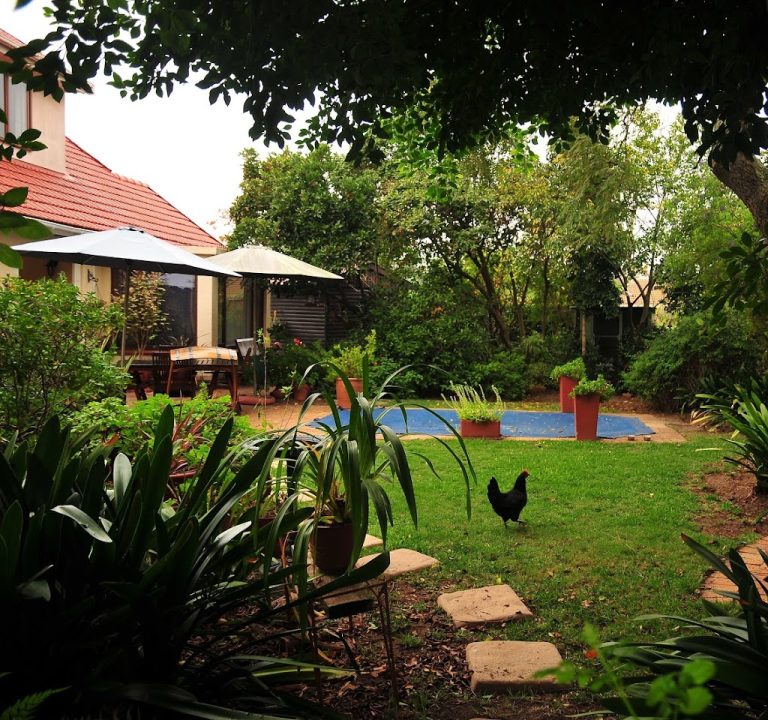
Bradclin House, listed here as an example of a hotel category in Cape Town, can sit at one end of the spectrum—providing a comfortable, centrally located base from which to explore. While exact facilities vary from property to property, many modern hotels in the city centre and around the Waterfront offer dependable essentials such as wi‑fi, secure parking (where available), on‑site dining or easy access to nearby restaurants, and guest services that help with itinerary planning. Always check recent guest reviews for consistency in service, upkeep, and nearby transport options before booking.
Areas to consider for a stay
- City Centre and De Waterkant: Proximity to museums, cultural attractions, and a vibrant dining scene. Easy access to public transport and ride‑hailing services.
- Atlantic Seaboard (including Green Point, Sea Point, and Camps Bay): Scenic sea views, a lively promenade, and a beach‑forward vibe. Ideal for longer strolls and sunset moments, with many hotels and apartments offering terraces or balconies.
- V&A Waterfront: A bustling hub for shopping, dining, and harbour activities, with a waterfront ambience and convenient access to boat trips and tours.
- Constantia and Constantia Valley: Green, mild hills, wine estates, and quiet tranquillity. Best for guests seeking a more relaxed, countryside feel within reach of the city.
- Kirstenbosch and the Southern Suburbs: Access to nature trails, gardens, and scenic drives, suitable for couples and families who prioritise outdoor experiences.
What to look for when booking
- Views and light: A room with good natural light and, if possible, a view of the ocean or Table Mountain can greatly enhance your stay.
- Access to transport: Proximity to MyCiTi bus stops, a taxi or rideshare hub, or secure parking can save time and stress.
- Local character versus predictability: Boutique properties often offer a more personalised stay with thoughtful touches, while larger hotels may provide consistent services and facilities.
- Amenities: Look for reliable wi‑fi, private en‑suite bathrooms, an on‑site restaurant or bar, and a safe space to store bags if you arrive early or depart late.
- Guest reviews and recent updates: Check mentions of bed comfort, noise levels, air conditioning, and the responsiveness of staff to issues.
A typical stay in Cape Town benefits from a balanced mix of planning and spontaneity. Plan a few essential experiences—such as a visit to a famous viewpoint or a morning hike on a nearby trail—then leave room for unplanned discoveries: a small bistro tucked along a backstreet, a weekend market with local crafts, or a sunset sail from the harbour. Weather patterns can change quickly, so packing layers and a compact rain jacket is wise, even in warmer months.
What to do and see (in broad terms)
Natural beauty sits side by side with world‑class culture. Iconic mountain viewpoints and coastal bike paths offer easy day plans, while guided tours can provide deeper context about the city’s history, architecture, and ecosystems. Within easy reach are botanical gardens that showcase South Africa’s flora, plus protected reserves and scenic headlands teeming with birdlife and marine mammals. The city’s beaches offer more than sun and sand—many are ideal for sheltered swims, strolls, or simply soaking up the scenery.
Food and drink are a highlight, with a spectrum ranging from market stalls and casual cafés to refined restaurants that emphasise seasonal produce and global influences. South Africa’s culinary scene is shaped by multicultural roots, and while local guides can point you to standout spots, there are always new openings and evolving concepts worth exploring. When planning restaurant experiences, consider booking ahead for popular breaks in peak season, and keep flexible for find‑your‑feet discoveries in quieter streets or harbourfront eateries.
Best time to visit Cape Town depends on what you want to do. Summer (December to February) brings long days and vibrant outdoor life, while spring (September to November) and autumn (March to May) offer mild weather and fewer crowds. Winter months (June to August) are cooler, with occasional rain, but can be excellent for crowds‑free city walks and intimate dining experiences. If you’re keen on wine tasting, combining a day trip to the surrounding winelands with time in the city makes efficient use of travel time.
Practical tips for travellers
- Give yourself a couple of days to acclimatise to the time zone and climate, especially if you are travelling from far away.
- Arrange airport transfers or consider reputable transport apps for safe and convenient travel between accommodation and attractions.
- Be mindful of personal belongings in busy areas and follow local guidance on safety, particularly in crowded market spaces or at night.
- Check opening hours for attractions and restaurants, as seasonal changes or maintenance can affect access.
- Balance guided experiences with free roaming time to explore markets, coastal paths, and neighbourhoods at your own pace.
With careful planning and a curious mindset, a stay in Cape Town can be filled with memorable moments—from the colours of the Bo‑Kaap to the crisp air atop Table Mountain, from bustling harbourfront eateries to serene vineyard landscapes just beyond the city’s edge. Use your accommodation as a launching pad, and you’ll uncover a city that feels both iconic and wonderfully personal.