Accommodating Cape Town: Where to stay and what to do
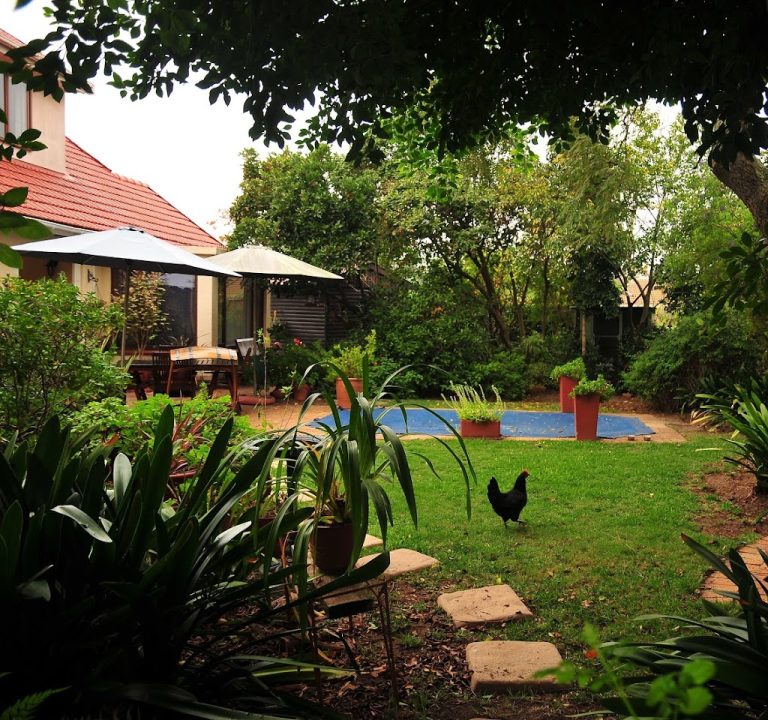
Cape Town blends dramatic scenery with diverse neighbourhoods, making it an appealing destination for many travellers. When planning a stay, consider which area best suits your interests, pace of travel and access to transport. From city-centric stays near the foreshore and historic neighbourhoods to more relaxed retreats along the Atlantic Seaboard or in the nearby hills, there are options to fit most itineraries and budgets. For those seeking a traditional, homely welcome, a B&B or guesthouse can provide a friendly base, while larger hotels and self-catering apartments offer space and convenience for families or groups. For example, Margaret House, a 3-star B&B with self-catering options, may suit guests seeking a central, easy-going home-from-home experience.
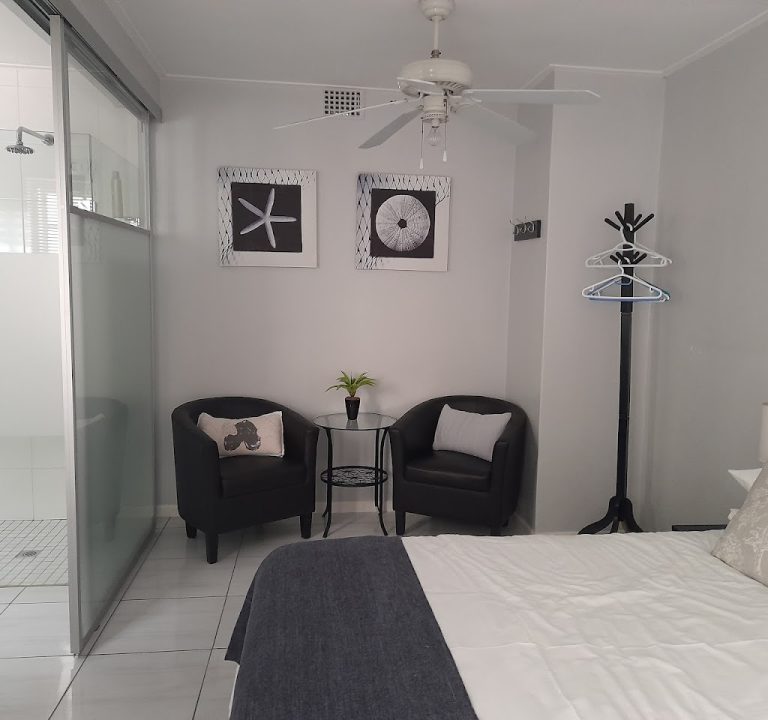
Accommodation in Cape Town ranges from intimate B&Bs and guesthouses to boutique hotels and self-catering flats. When booking, look for consistency in guest reviews, clear policies on check-in and cancellation, and photos that match the real-space experience. Consider the style of rooms (en-suite bathrooms, dedicated kitchen facilities, secure parking) and whether communal areas such as lounges or gardens align with your preferences. If you plan to cook some meals, a well-equipped kitchenette or access to a shared kitchen can be a real plus. Proximity to transport links—especially MyCiTi buses, metro lines, or reliable taxi options—can significantly influence your daily plans.
Neighbourhoods to consider include the city bowl for accessibility to museums, markets and nightlife; the waterfront area for views and easy access to harbour activities; the Atlantic Seaboard for beaches and scenic drives; and the southern suburbs for a more residential, village-like feel with easy access to winelands and coastal routes. If you’re after a quieter base with hillside vistas, commuter-friendly areas within or just outside the central districts can offer a calmer atmosphere while still remaining within reach of major sights.
Typical amenities you’ll encounter include free Wi-Fi, daily housekeeping, a generous breakfast in B&Bs, and private or shared seating areas. Many guesthouses and smaller hotels offer secure parking, air conditioning or heating, and in-room tea- and coffee-making facilities. Self-catering properties will emphasise kitchen amenities, dishware and sometimes laundry facilities. Consider whether you value a 24-hour reception, on-site restaurant, or a helpful concierge who can organise tours and restaurant reservations. For families or groups, look for suites, extra beds or interconnecting rooms, along with accessible entrances and baby-proofing options if needed.
Transport planning is a key part of a Cape Town stay. If you’re relying on public transport, choose a base near main routes or within easy walking distance to eateries and attractions. Car hire is common for travellers exploring beyond the city to the Cape Winelands, the Cape Peninsula’s coastal drives, or hiking trails in the surrounding mountains. For those who prefer not to drive, many guesthouses can arrange shuttle services or guided day trips. Remember that hillier neighbourhoods may involve steeper terrain and longer walks, so check for on-site parking or proximity to level paths and elevators if required.
Best time to visit Cape Town depends on what you want from your trip. The summer months (roughly December to February) bring warm days and lively outdoor scenes but can be busy. Spring (September to November) and autumn (March to May) offer a pleasant balance of milder weather and fewer crowds, ideal for seaside strolls, table-top views, and explorations of the city’s markets and galleries. Winter (June to August) tends to be cooler and wetter, but stays are often excellent value and provide a chance to enjoy museums and indoor attractions with fewer queues. Consider local events and the drive times to attractions, particularly during peak periods.
When planning your itinerary, balance a mix of iconic sights with experiences that reveal local character. The city offers a wealth of experiences—harbour cruises, coastal drives, and hikes with panoramic viewpoints, as well as cultural tours that explore the neighbourhoods and historical context. Dining options range from casual cafés to fine-tasting experiences, with a focus on fresh seafood, global flavours, and South African staples. In general terms, you’ll find venues that prioritise sustainability, seasonal ingredients, and warm hospitality; booking ahead is advisable for popular spots, particularly in peak seasons.
Practical tips to maximise your stay:
- Book a property with clear access to reliable transport or easy taxi routes.
- Check recent guest reviews for insights on noise, cleanliness, and breakfast quality.
- Request a quiet room if you are a light sleeper or located away from street activity.
- Evaluate whether self-catering facilities will save time and money on meals.
- Plan day trips with sensible driving times and allow margin for weather changes.
For ideas on planning and practical information, official tourism resources and local guides can be helpful starting points. Cape Town’s official visitor information sites offer practical tips on transport, safety, and seasonal happenings, along with suggested itineraries and maps. A well-chosen base, thoughtful planning, and flexible pacing can help you make the most of your stay in this vibrant coastal city. Details and resources can be found at reputable travel sites and the tourism pages of the region.