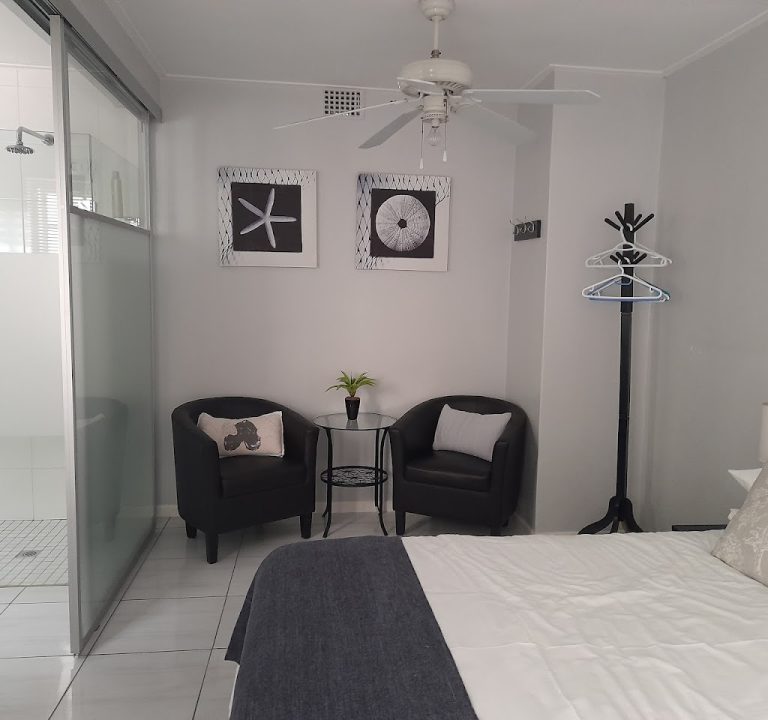
Ascot Accommodation: A Traveller’s Guide to Cape Town
Cape Town offers a diverse tapestry of places to stay, from budget-friendly hostels to stylish guesthouses and boutique hotels. When planning a trip, it helps to think about what you want from your stay: convenient access to sights, a beachside vibe, or a quiet neighbourhood with easy transport links. For those seeking a practical base that still captures the city’s character, Cape Town delivers a wide range of options that can suit different budgets and styles.
Areas to consider when booking include the bustling city centre and the historic neighbourhoods around it, the coastline from the Atlantic Seaboard to Camps Bay, and the leafy, more residential districts a little further from the waterfront. Each area has a distinct flavour and different transport needs. The central districts are convenient for public transport and walking access to museums, markets, and nightlife. The Atlantic Seaboard is ideal for beach access and scenic drives, while observant travellers may prefer the quieter suburbs for a relaxed stay with easy driving routes to major sights.
- City Centre and De Waterkant – vibrant, with easy access to cultural sights, eateries, and public transport.
- Atlantic Seaboard (Sea Point, Bantry Bay, Camps Bay) – coastal vibes, promenades, and views; good for sunsets and seafood.
- Southern Suburbs (Observatory to Constantia) – residential charm, mountain views, and proximity to wine routes and nature trails.
- Northern Suburbs (Midlands and surrounds) – more budget-friendly options and easy drives to the airport and winelands.
When choosing where to stay, consider the following practical factors. First, assess access to reliable transport. Cape Town’s MyCiti buses and Uber-style services offer practical options, but some areas are best reached by car or a well-planned taxi route. If you plan day trips to the winelands or the Cape Peninsula, a guesthouse or hostel with parking can be a real-time saver. Second, look for clear information about security, especially in central areas after dark. Most reputable hosts provide guidance on safe neighbourhoods and transportation at night. Third, check for essential amenities such as reliable Wi‑Fi, a quiet workspace if you travel with work, and a practical kitchen or self-catering facilities if you prefer to prepare meals modestly to save costs.
Typical amenities across Cape Town accommodation include en-suite bathrooms, air conditioning or ceiling fans, and tea and coffee facilities. Many guesthouses and smaller hotels offer curated experiences, such as guided hikes, city walks, or wine-tasting itineraries. If you are travelling with family or a group, family rooms, interconnected rooms, or apartment-style suites can be particularly convenient. For longer stays, properties with laundry facilities and kitchenettes are advantageous. It’s worth noting that peak seasons—summer in the Southern Hemisphere (roughly December to February) and holiday periods—often mean higher rates and faster bookings, so planning ahead is wise.
Practical planning tips for a smoother stay include booking with clear cancellation policies, especially in a city where weather can influence plans. Read recent guest reviews to understand the real level of comfort, noise, and service. When you arrive, confirm local check-in procedures, and whether security measures or after-hours access require special arrangements. If you are driving, verify parking details and any time-limited restrictions in the neighbourhood. For ocean-facing stays, consider the wind and sun orientation, as July to September can bring brisk coastal winds that influence comfort on balconies or terraces.
During your visit, plan to balance iconic sights with more relaxed, low-key experiences. Iconic viewpoints, botanical gardens, and the V&A Waterfront are typical highlights, but equally rewarding are gentler coastal walks, harbour markets, and hillside trails that showcase the city’s natural beauty. For dining, Cape Town’s restaurant scene spans casual cafés, seafood eateries along the coast, and refined dining in historic precincts. You don’t need fixed reservations for every meal, but popular spots can fill quickly, so a light plan with flexible alternatives is sensible.
For ideas on getting around and planning, you can explore visitor information online through official tourism portals, which provide practical guidance on local transport routes, safety tips, and seasonal happenings. A good starting point is the official tourism site for Cape Town, which curates practical recommendations for itineraries and day trips. If you would like inspiration on where to stay in relation to the city’s sights, consider reading traveller forums or seeking recommendations from hosts who are familiar with Ascot Accommodation and the surrounding areas.
In summary, Cape Town offers an array of accommodation types to suit different budgets and travel styles. Focus on convenient transport access, essential amenities, and a neighbourhood that matches your preferred pace of travel. With careful planning, you can enjoy the city’s breathtaking scenery, diverse dining, and memorable experiences without overreaching your budget or schedule. For more information on planning a stay, visit reputable travel resources and consider a stay that blends comfort with local flavour.