Exploring Cape Town: Where to stay, what to plan, and how to make the most of your visit
Cape Town offers a dynamic mix of coastal scenery, urban culture, and easy access to world-class natural attractions. When choosing an accommodation, consider the rhythm of your trip: whether you want a waterfront breeze, a boho urban vibe, or a quiet hillside retreat with sunset views. From self-catering stays to boutique guesthouses and family-friendly lodges, the city provides options that suit a wide range of budgets and travel styles. For visitors seeking flexibility, self-catering places such as Tombo Guesthouse and similar properties can be a convenient base for longer stays, allowing you to craft your own schedule while still enjoying comfortable spaces and local character.
Areas to consider—and what each brings to a stay:
- The Waterfront and the V&A precinct: ideal for first-time visitors and those who prioritise ease of access to ferries, museums, and harbour views. Expect well-equipped kitchens in self-catering options, secure parking, and proximity to guided tours and dining.
- Atlantic Seaboard (Camps Bay, Clifton, Bantry Bay): glamorous coastal scenery, stylish eateries, and dramatic sunsets. Accommodation often features modern amenities, sea-facing rooms, and terraced spaces; plan for pricier options but with spectacular outdoor living spaces.
- City Centre and the Bo-Kaap: a hub for culture, saved-up coffee stops, and easy access to markets and nightlife. Choose central stays for efficient sightseeing, access to Metro rail and buses, and compact self-catering units that suit short breaks.
- Constantia and the southern suburbs: leafy tranquillity, wine estates, and restaurant courtyards. Great for quieter days, longer stays, and family-friendly homes where you can start early mornings with a garden breakfast before venturing out for scenic drives or hiking.
What to look for when booking:
- Location relative to your plans: think about the day trips you want to take and the transport options available from your lodging to major sights and dining precincts.
- Self-catering facilities: if you value flexibility, check the kitchen setup, storage, and equipment. A well-equipped kitchen with a fridge, stove, microwave, and enough utensils can save you money and time.
- Cleanliness and maintenance: read recent guest reviews for insights into cleaning regimes, fresh linen, and the condition of common areas.
- Access and security: secure entrances, good lighting, and clear instructions on check-in are especially important in busy urban settings.
- Transport links: note proximity to public transport nodes or availability of private parking if you plan to hire a car. Cape Town is motor-friendly with notable routes but may have limited parking in busy areas.
- Amenities that matter to you: reliable Wi‑Fi, laundry facilities, outdoor spaces, BBQ areas, and a pleasant communal area can significantly enhance a stay, particularly for longer breaks or family trips.
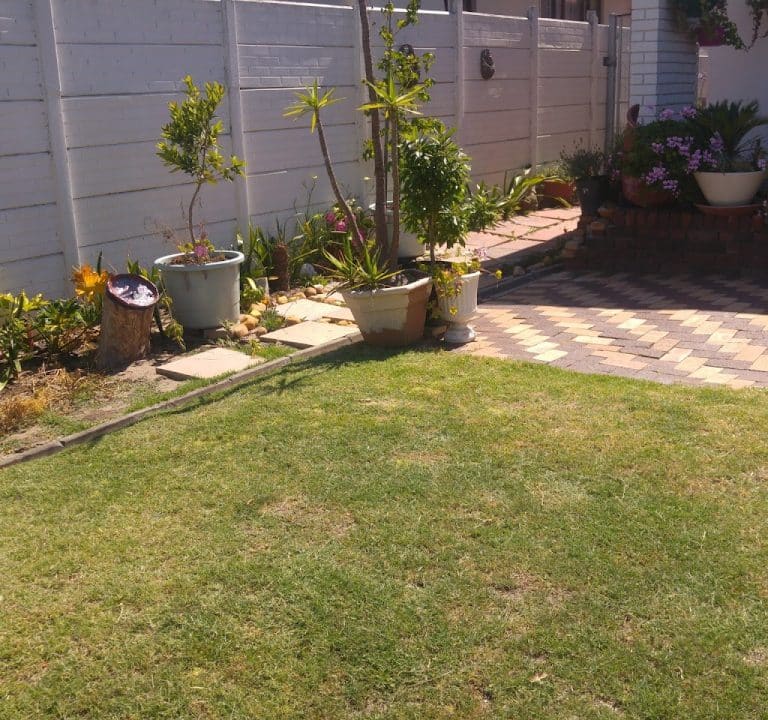
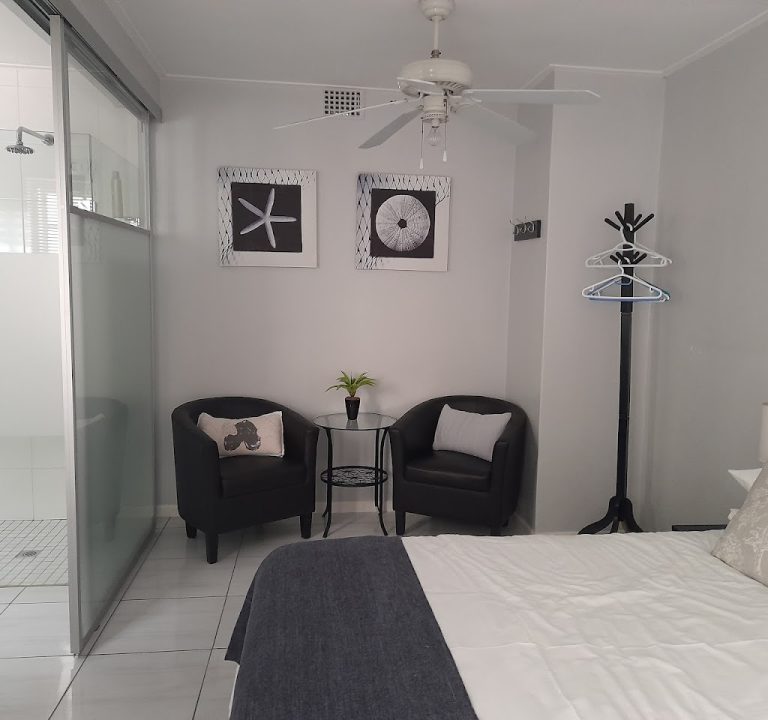
Typical amenities to expect in accommodation options across Cape Town include clean en-suite bathrooms, well-equipped kitchens or kitchenettes, comfortable bedding, and access to outdoor spaces with Durban- or Mediterranean-style terraces. Many guesthouses and self-catering units offer flexible check-in options, which can be handy if you’re arriving late or after a day of exploring. Some properties provide curated local guides, maps, and recommendations for dining, markets, and day trips, which can help you make the most of your time.
Transport and getting around: Cape Town’s geography means you’ll often move between coastal routes, garden routes, and hilltop viewpoints. A car provides the greatest flexibility, particularly if you plan to travel to wine valleys, nature reserves, or less accessible beaches. Public transport exists, including trains and buses, but services can be less frequent on weekends or in outlying areas. If you prefer to rely on taxis or ride-hailing services, choose a central base or ensure your host has trusted recommendations. For day trips, many operators run tours to the Cape Peninsula, Table Mountain, Cape Point, and nearby winelands, so ask your host or property manager about reputable options or partnerships.
The best time to visit Cape Town depends on what you want from your trip. The summer months (roughly December to February) are warm and lively, with long days ideal for outdoor activities and beaches. Autumn (March to May) brings mild weather and fewer crowds, a good shoulder season for sightseeing and wine-land tastings. Winter (June to August) is cooler and windier, but offers quieter streets and dramatic sea views, while spring (September to November) reveals blooming gardens and lush landscapes. If you enjoy hiking, coastal walks, and vibrant markets, plan several outdoor sessions during the milder shoulder seasons.
Practical tips to help you plan smoothly:
- Book accommodation with clear cancellation policies, especially in peak periods when travel plans may shift.
- Check whether the property has a reliable heating or cooling system, as Cape Town’s temperatures can vary by season and location.
- If you’re planning to cook, verify pantry basics and dishware availability, plus any restrictions on using outdoor barbecue areas.
- Balance your itinerary with a mix of outdoor experiences, cultural visits, and relaxing downtime to avoid fatigue.
- Respect local advisories and weather alerts, particularly when venturing to coastal or mountain areas where conditions can change rapidly.
Beyond your stay, Cape Town offers a rich tapestry of experiences. Visitors commonly explore scenic viewpoints, beaches, and nature reserves, while many also enjoy dining in diverse eateries that range from casual bistros to refined restaurants. For planning inspiration and practical itineraries, consult official tourism resources and reputable travel guides for ideas on routes, experiences, and seasonal highlights. A well-chosen base in Cape Town can open up a world of adventure, culture, and unforgettable memories, all within a compact, walkable city that invites you to pause, savour, and explore.