Cape Town: Accommodation, Attractions and Practical Tips for Visitors
Cape Town in the Western Cape offers a diverse mix of accommodation, from stylish city-centre stays to scenic coastal apartments and tranquil vineyard retreats. When planning a visit, think about what will make your stay most comfortable and convenient: location relative to the sights you want to see, the size and layout of your space, and the amenities that will save you time and hassle during a busy itinerary.
Key areas to consider include the City Bowl and central Cape Town for easy access to museums, galleries and dining; the Atlantic Seaboard for beaches and dramatic coastal scenery; and Constantia or the neighbourhoods around the southern suburbs for wine country day trips and quieter streets. If you’re after vibrant cultural experiences and a quick stroll to waterfront views, a stay near the V&A Waterfront or Green Point can be ideal. Those seeking a more relaxed, leafy backdrop often favour Constantia or Kirstenbosch-adjacent properties with easy access to nature trails and renowned gardens.
When Booking, check for practical details that can significantly improve your stay. Look for clear cancellation terms, a responsive host or management team, and transparent housekeeping arrangements. Confirm the type of space (entire apartment, private room, or boutique hotel suite) and whether self-catering facilities are available. Transport access matters: inquire about secure parking if you’re driving, proximity to MyCiTi bus routes, or whether the property is within walking distance of cafés and supermarkets. Consider soundproofing, air conditioning or good heating, and reliable wi‑fi if you’ll be working remotely during part of your trip.
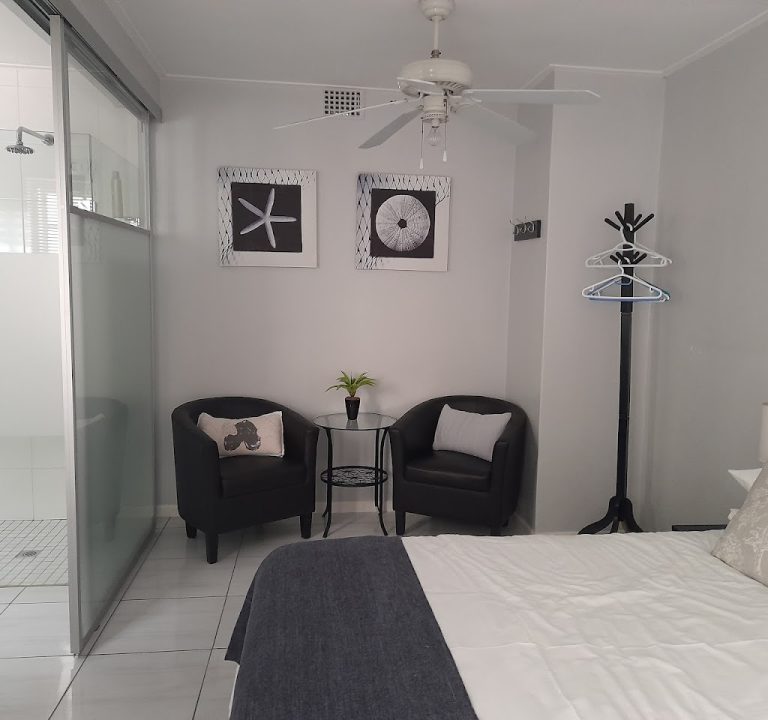
A typical accommodation in Cape Town may offer essentials such as a well-equipped kitchen or kitchenette, comfortable sleeping arrangements for the number of guests, a private bathroom, and a living area. Some properties include laundry facilities, daily or weekly cleaning, and on-site parking. For longer stays or frequent travellers, a space with a balcony or terrace, a small courtyard, or access to a communal garden can be a particular bonus. Guest safety features, such as secure access, good lighting, and clear emergency information, are worth confirming in advance.
Planning your itinerary alongside your stay is straightforward if you set a realistic pace and mix activities with downtime. Cape Town’s natural beauty is best enjoyed with sun protection, comfortable footwear, and a flexible attitude to weather. For outdoor days, you might combine a coastal walk, a mountain excursion, and a casual meal at a local bistro or family-run eatery. In the evenings, you may choose from a range of dining options—from casual eateries with fresh seafood to more refined venues highlighting South Africa’s diverse culinary influences—without needing to travel far from your accommodation. If you prefer a self-guided experience, you can design day trips to wins farms in nearby Constantia or nearby towns, with a mix of food tastings and scenic viewpoints along the way.
- City Bowl and central Cape Town — museums, markets, easy walking access to eateries and theatres
- Atlantic Seaboard (Sea Point, Bantry Bay, Clifton, Camps Bay) — beaches, esplanades, breathtaking sunsets
- V&A Waterfront and Green Point — harbour views, shopping and convenient transport links
- Constantia and Southern Suburbs — wine estates, nature trails, quieter residential streets
The best time to visit Cape Town depends on your priorities. The summer months (November to March) offer long days and excellent sea conditions for swimming and sailing, but can be busy with additional crowds. Autumn (April to May) and spring (September to November) are pleasant, with milder weather and a slower pace. Winter (June to August) is cooler and wetter, which can be ideal for museum days, indoor attractions, and enjoying the city’s cosy cafés and eateries. Plan around the weather forecast and, if you wish to seal a specific outdoor activity, book in advance where possible, especially during peak seasons.
Practical tips for a smooth stay include budgeting for peak-season pricing, keeping a flexible itinerary, and using reliable transport options. If you’re driving, verify parking arrangements and access routes to your accommodation; if you’re relying on public transport, map the MyCiTi routes and central hubs to minimise travel time. Pack sunscreen, a light layer for cooler evenings, and a reusable water bottle for day-trips. Many areas offer tap water that is safe to drink, but it’s wise to stay hydrated in the heat of summer and enjoy the city’s abundant fresh fruits and local beverages.
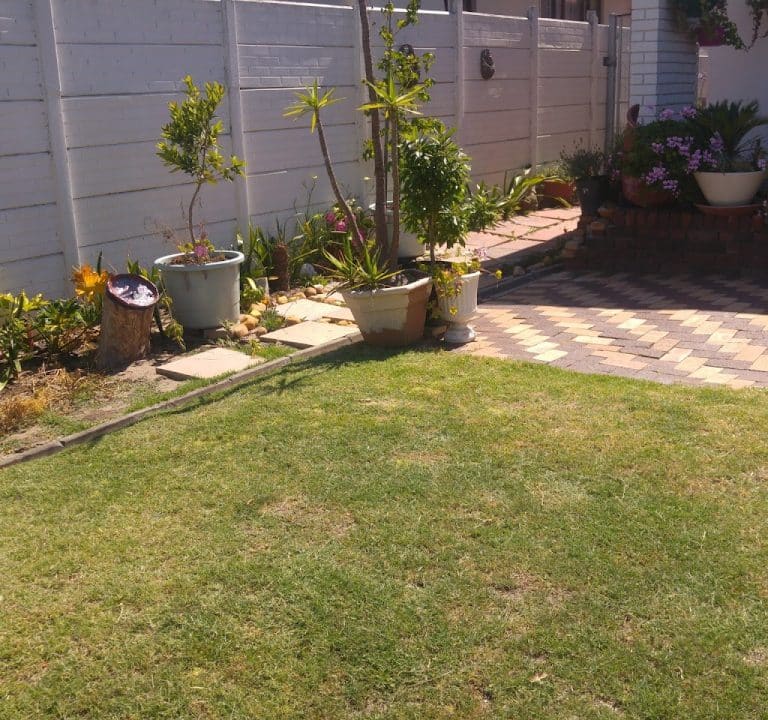
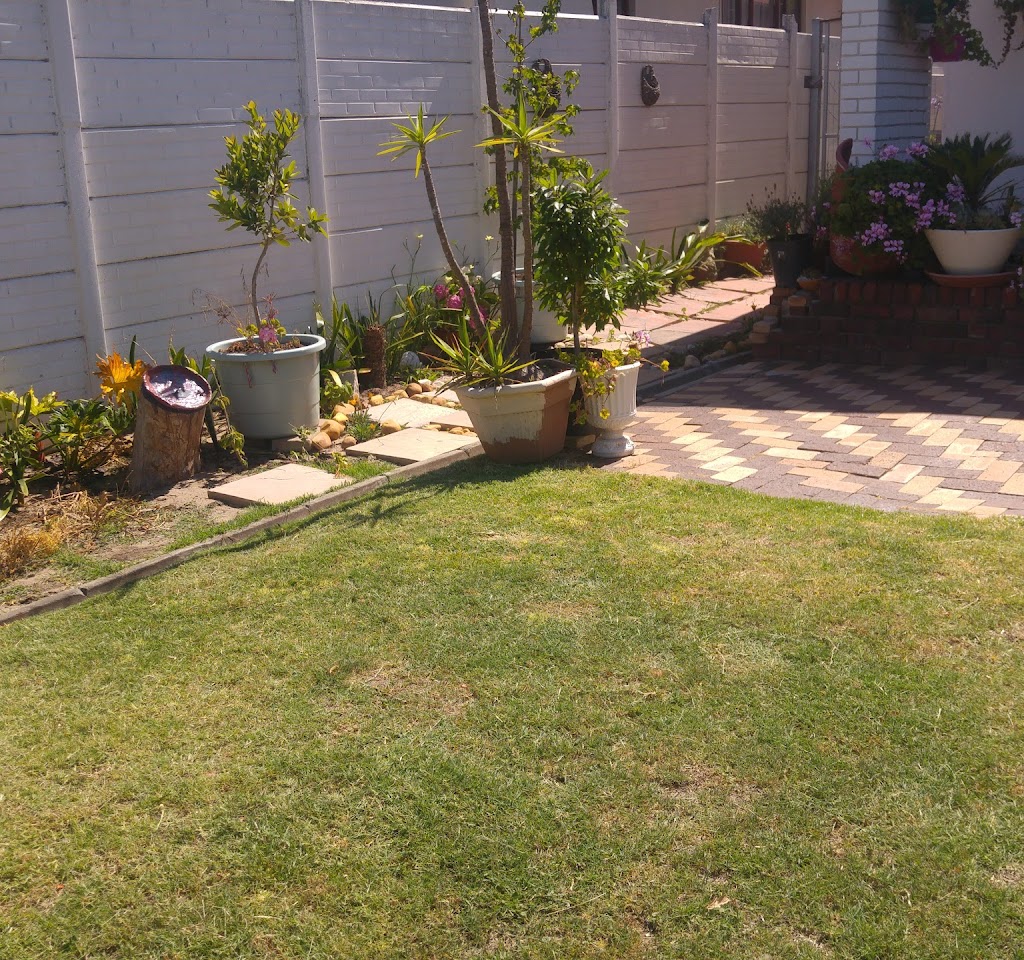
For travellers planning a stay in a holiday apartment such as Sweet Waters Cottage, the advantages often include independence, a compact kitchen for self-catering, and a homely ambiance that can suit families, groups, or couples seeking space and convenience. When selecting a property, read recent guest reviews to gauge consistency in cleanliness, responsiveness, and accurate listing descriptions. Always verify what is included in the booking—linens, towels, kitchen essentials, and any shared facilities—and ask hosts about the neighbourhood at night, public transport connections, and nearby amenities to tailor your plans to your interests.
Cape Town’s appeal lies not only in its iconic scenery but in the ease with which visitors can combine comfortable stays with memorable experiences. With thoughtful planning, you can enjoy both a restful base and a dynamic itinerary that highlights the best of the city and its surrounding regions. For further inspiration, consult official tourism resources and plan a stay that best suits your pace and preferences.